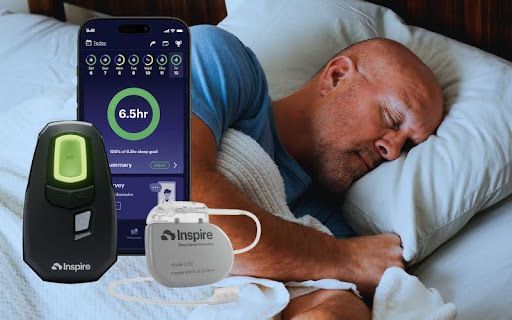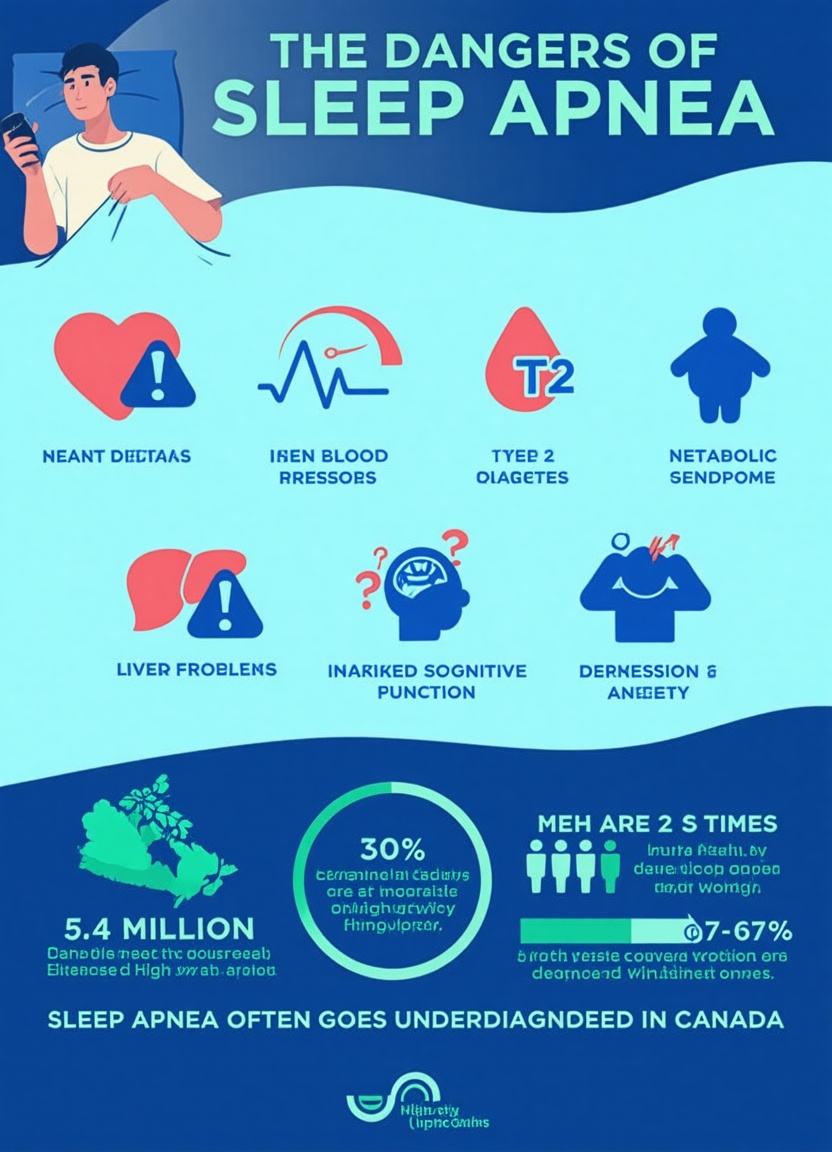
For individuals experiencing sleep apnea, understanding the potential impact on life expectancy is crucial. With the right tools and knowledge, managing the symptoms effectively can lead to a more fulfilling life. Sleep apnea apps play a significant role in this process by offering real-time monitoring and personalized insights. Moreover, integrating melatonin supplements and other supportive measures can enhance the overall quality of sleep, ultimately benefiting health outcomes.
The interplay between physical health metrics, such as the Respiratory Disturbance Index (RDI), and chronic conditions like diabetes further emphasizes the need for informed management strategies. By addressing these factors, individuals can make strides towards a healthier future, even when faced with the challenges of untreated sleep apnea.
Understanding Untreated Sleep Apnea Life Expectancy
Factors Affecting Life Expectancy
Sleep apnea is a condition characterized by repeated interruptions in breathing during sleep. These interruptions can significantly impact life expectancy by increasing the risk of cardiovascular diseases, hypertension, and stroke. The severity of the condition, often measured through the RDI, is a crucial determinant in understanding its long-term effects. This index quantifies the number of apneas and hypopneas per hour of sleep, offering a clear picture of how severely the condition affects the individual.
Furthermore, lifestyle factors, such as obesity, smoking, and alcohol consumption, play a critical role in exacerbating the condition. By addressing these, individuals can potentially improve their life expectancy even if sleep apnea remains untreated. Regular monitoring using sleep apnea apps can assist in tracking the progress and effectiveness of lifestyle changes.
The Role of Melatonin in Sleep Apnea
Melatonin, a hormone responsible for regulating sleep-wake cycles, may have therapeutic benefits for those with sleep apnea. While not a cure, melatonin supplements can help reset the body’s internal clock, promoting more consistent sleep patterns. This adjustment can be particularly beneficial in reducing the severity of sleep apnea events, as a regulated sleep cycle can facilitate better oxygenation during rest.
However, it is essential for individuals to consult with healthcare providers before incorporating melatonin into their routine. The efficacy of melatonin and its impact on life expectancy should be considered within the context of a comprehensive treatment plan that includes lifestyle modifications and possibly the use of a sleep apnea app for ongoing monitoring.
Tech Solutions for Better Sleep
How Sleep Apnea Apps Work
Sleep apnea apps are designed to monitor and analyze sleep patterns, offering users valuable insights into their sleep health. These applications utilize smartphone sensors or connect with wearable devices to track breathing patterns, snoring, and movement throughout the night. By collecting and analyzing this data, the apps can identify disturbances and provide personalized feedback to help users improve their sleep quality.
Some apps also offer integration with smart home devices, enabling users to adjust their sleeping environment for optimal rest. Features such as white noise and guided relaxation exercises are often included, assisting in creating a conducive atmosphere for sleep. Consistent use of these tools can lead to improved sleep patterns, potentially mitigating some of the risks associated with untreated sleep apnea.
Health Implications of Sleep Apnea
RDI Measurement and Its Importance
Understanding the Respiratory Disturbance Index is vital for managing sleep apnea. This measurement provides an indication of the frequency and severity of respiratory events during sleep. A high RDI signifies more frequent interruptions, which can lead to fragmented sleep and lower oxygen levels in the blood. Both of these factors are linked to increased cardiovascular risks and other health complications.
Regular monitoring of the RDI through sleep studies or the use of advanced sleep apnea apps can help individuals and their healthcare providers tailor treatment plans more effectively. Addressing the underlying causes of a high RDI, such as nasal obstructions or obesity, can improve outcomes and potentially increase life expectancy.
Sleep Apnea and Diabetes Connection
The relationship between sleep apnea and diabetes is an area of growing concern. Research indicates that untreated sleep apnea can exacerbate insulin resistance, a precursor to type 2 diabetes. Conversely, individuals with diabetes may experience more severe forms of sleep apnea, creating a vicious cycle that complicates management efforts for both conditions.
Educating individuals about this connection is crucial, as effective management of sleep apnea can have positive implications for diabetes control. By utilizing sleep apnea apps and adhering to treatment protocols, patients can achieve better glucose management, thus improving their overall health outlook.
Ultimately, understanding the multifaceted nature of sleep apnea and its impact on life expectancy empowers individuals to take informed actions towards improving their health. Through the integration of technology, lifestyle adjustments, and medical guidance, those affected by untreated sleep apnea can aspire to lead healthier lives.