Snoring and sleep apnea are often confused, yet understanding their differences is crucial to addressing the right treatment. Sleep apnea pregnancy is especially vital to explore, ensuring both maternal and fetal health are not compromised. This article delves into the nuances of narcolepsy vs sleep apnea, offering clear insights into managing these conditions effectively.
While snoring is often seen as a benign inconvenience, it can sometimes signal more serious conditions like sleep apnea. Recognizing the difference can lead to improved sleep hygiene and overall well-being.
Understanding Snoring vs Sleep Apnea
What is Snoring?
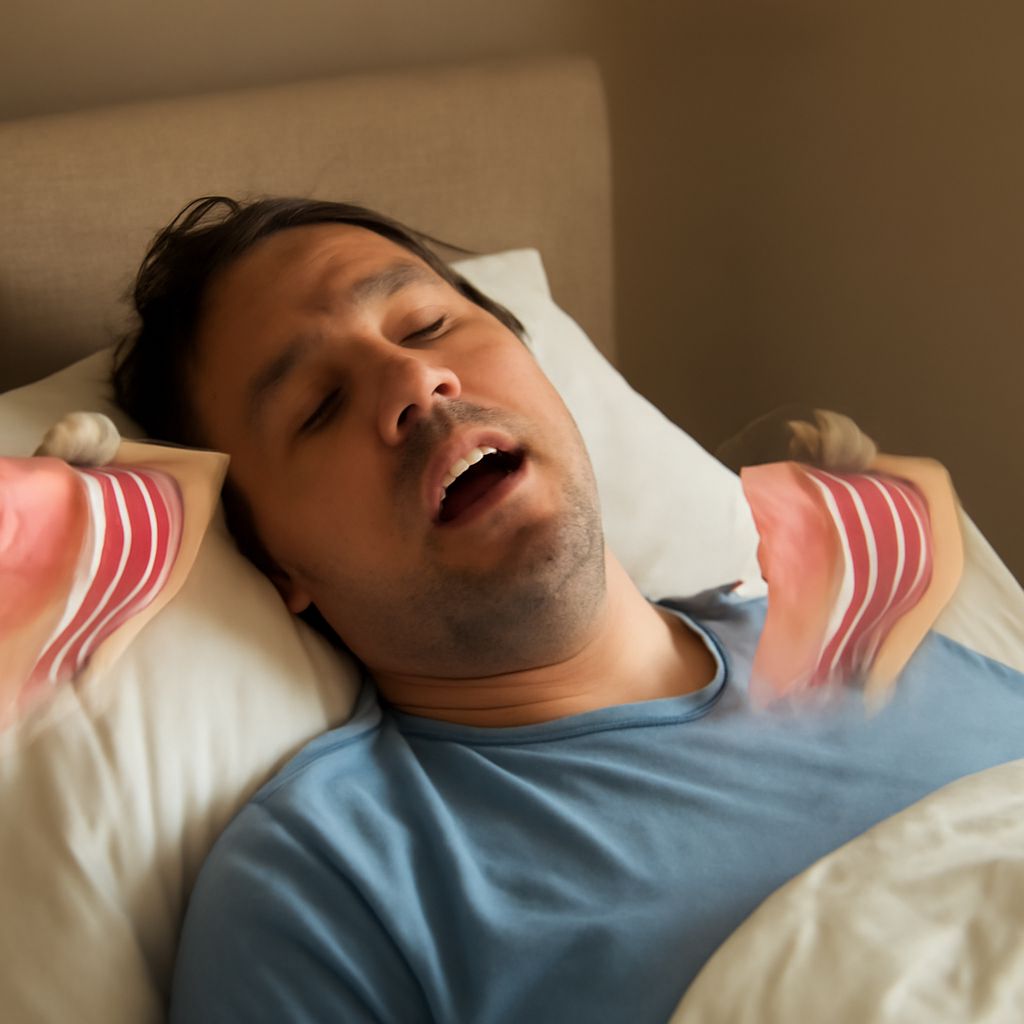
Snoring occurs when airflow through the mouth and nose is partially obstructed during sleep. This can be due to a variety of factors, such as nasal congestion, obesity, or alcohol consumption. The resulting vibration of the throat tissues produces the characteristic sound. While many individuals snore occasionally, habitual snoring can disrupt sleep patterns and impact health.
How Sleep Apnea Differs from Snoring
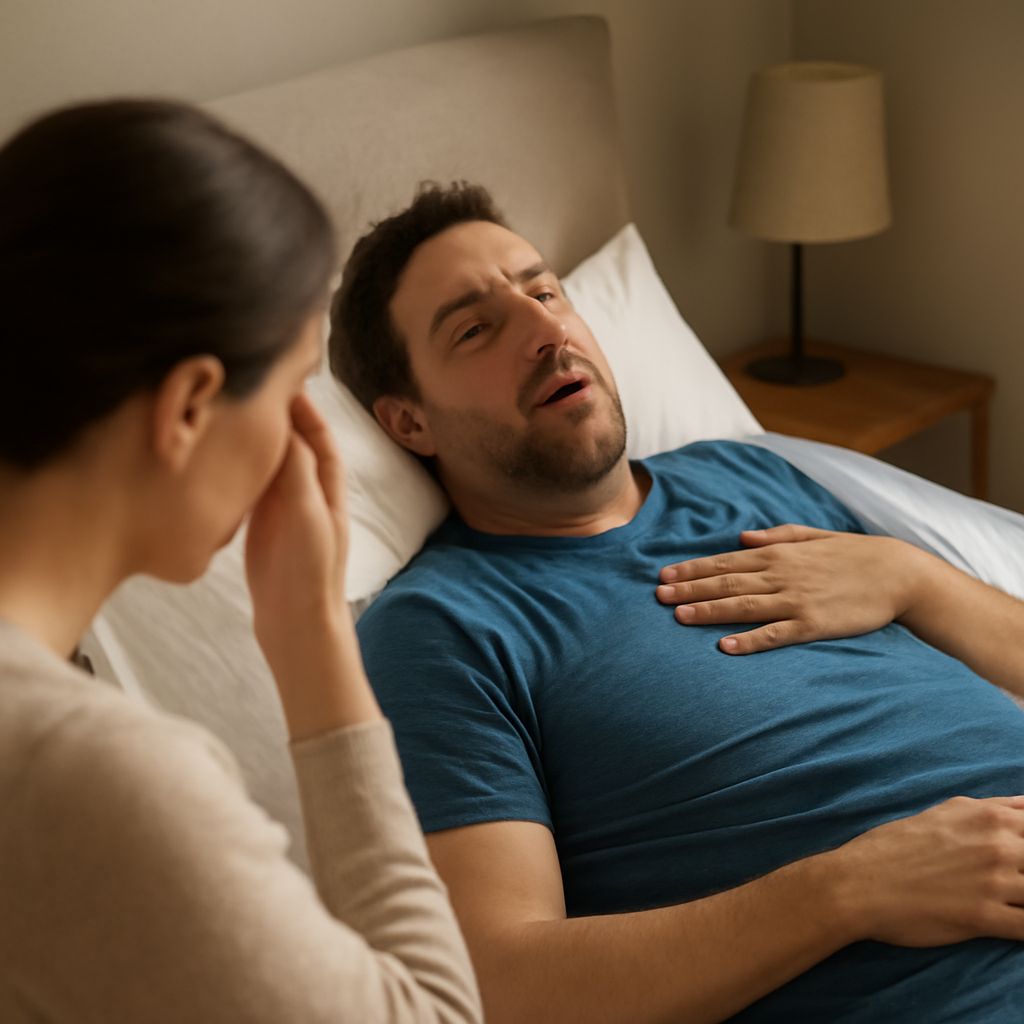
Sleep apnea, in contrast, is a serious sleep disorder where breathing repeatedly stops and starts. These interruptions can last from a few seconds to over a minute and may occur numerous times throughout the night. Unlike simple snoring, sleep apnea can lead to significant health concerns, including cardiovascular problems, daytime fatigue, and cognitive impairment.
Sleep Apnea During Pregnancy: What to Know
Pregnancy can exacerbate sleep apnea symptoms or even trigger the condition in women who never experienced it before. Hormonal changes, weight gain, and increased fluid retention often contribute to airway obstruction. Understanding these dynamics is crucial for pregnant women, as untreated sleep apnea may lead to complications such as gestational diabetes or hypertension.
Potential Risks and Considerations
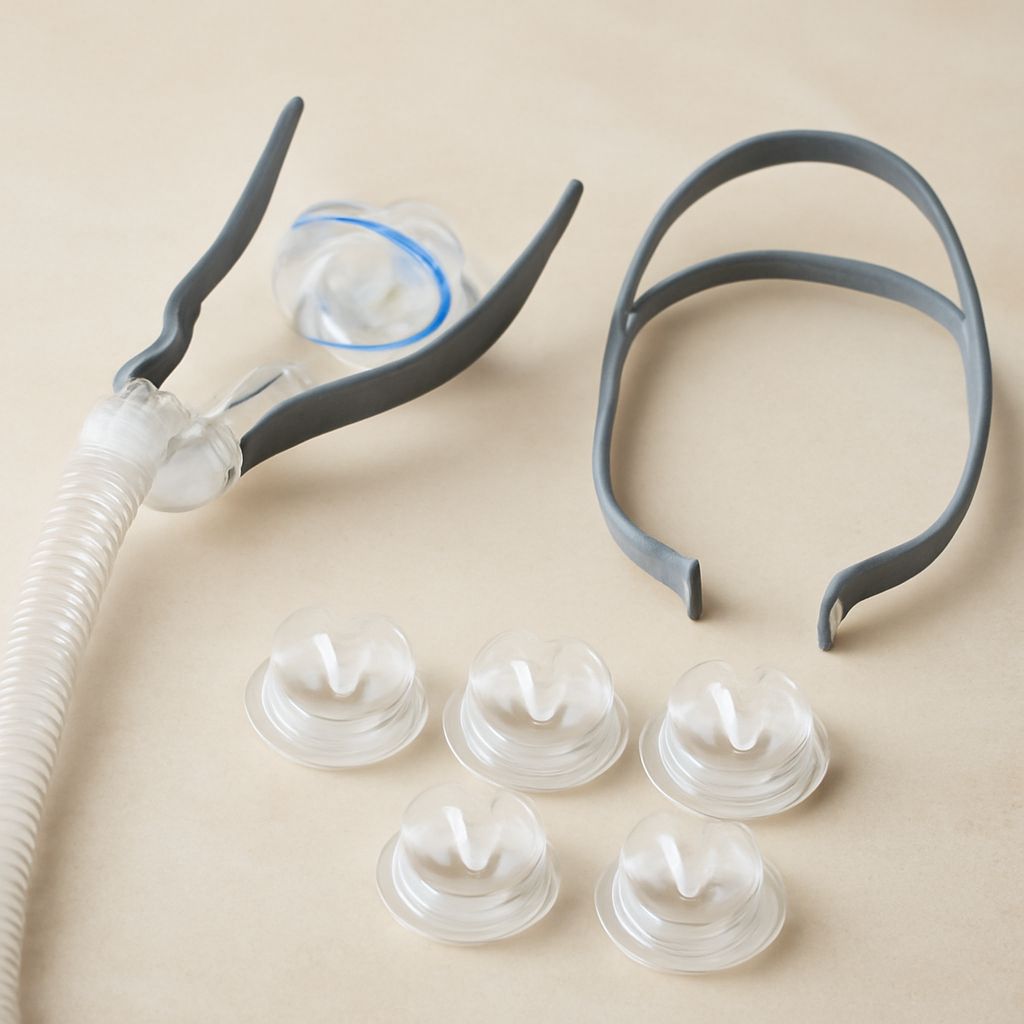
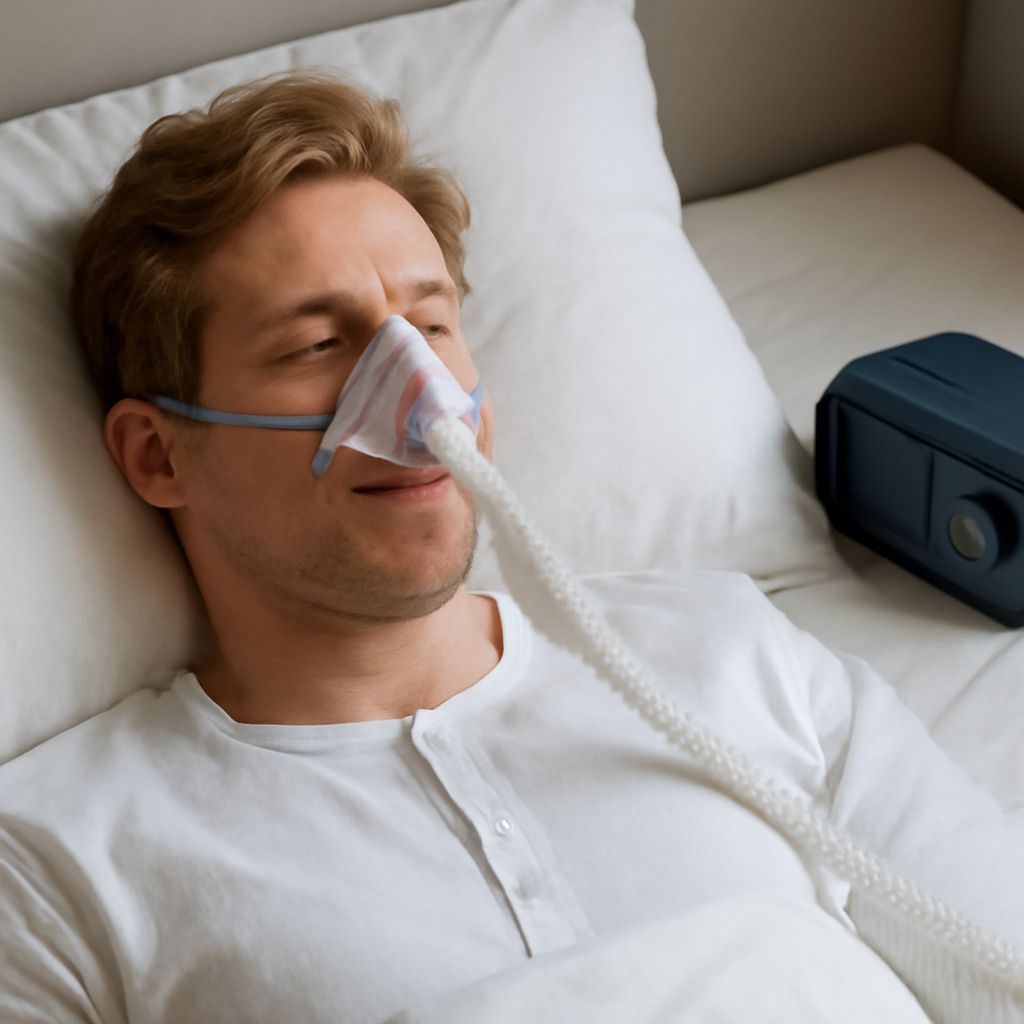
Pregnant women with sleep apnea might experience more frequent nighttime awakenings and severe daytime fatigue. This not only affects the mother’s health but can also impact fetal development. Healthcare providers typically recommend sleep studies for pregnant women presenting symptoms to tailor management plans accordingly. Safe practices include side sleeping and using continuous positive airway pressure (CPAP) therapy when necessary.
Narcolepsy vs Sleep Apnea: Key Comparisons
Narcolepsy and sleep apnea are both sleep disorders but differ in their symptoms and impact. Narcolepsy is characterized by excessive daytime sleepiness and sudden muscle weakness, often leading to involuntary sleep episodes. Sleep apnea’s hallmark, however, is disrupted breathing patterns during sleep, causing frequent awakenings and affecting sleep quality.
While both conditions result in daytime fatigue, their management differs significantly. Narcolepsy treatment typically involves medication to stimulate alertness, whereas sleep apnea often requires mechanical intervention like CPAP. Correctly distinguishing between the two ensures effective management and improves the patient’s quality of life.
Key takeaways: Snoring and sleep apnea differ significantly, with sleep apnea posing serious health risks if untreated. Pregnancy can increase sleep apnea risks, necessitating careful monitoring. Understanding differences between narcolepsy and sleep apnea ensures accurate diagnosis and treatment, leading to improved outcomes.