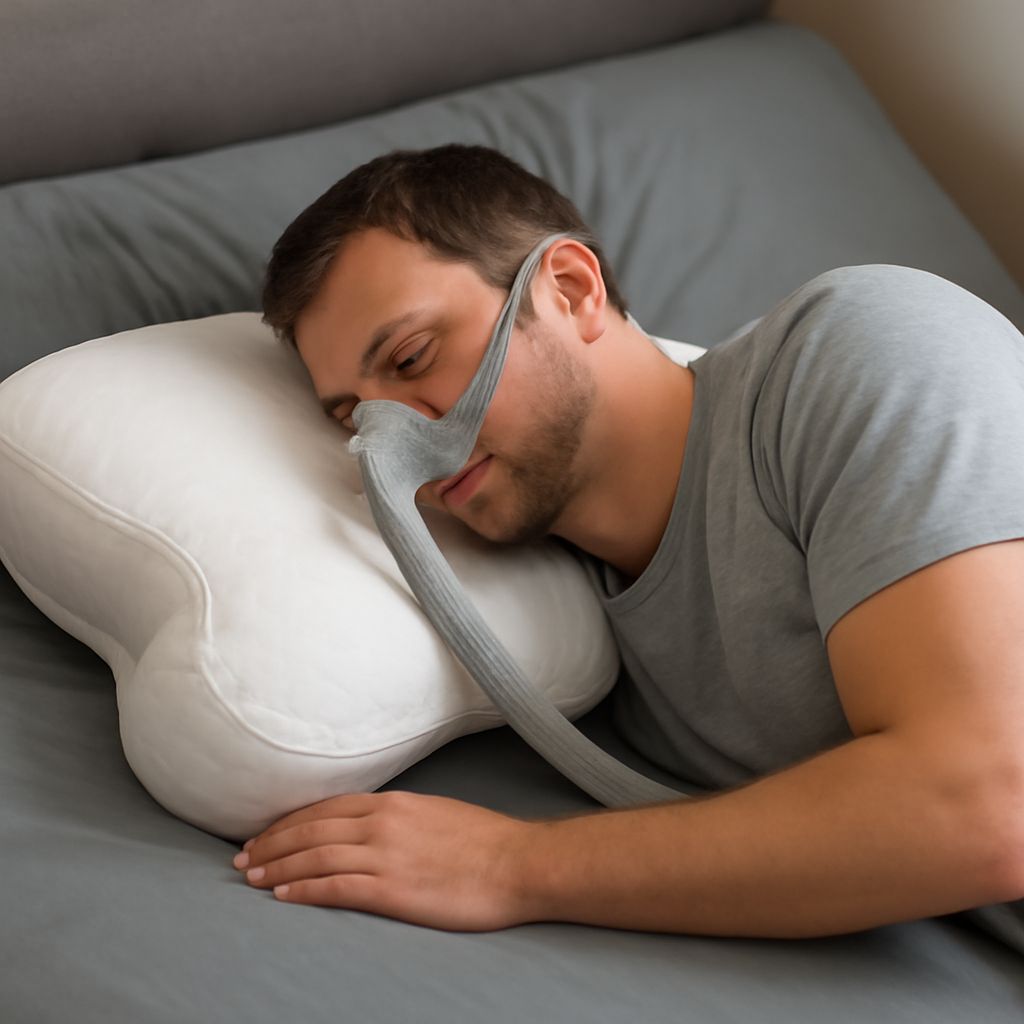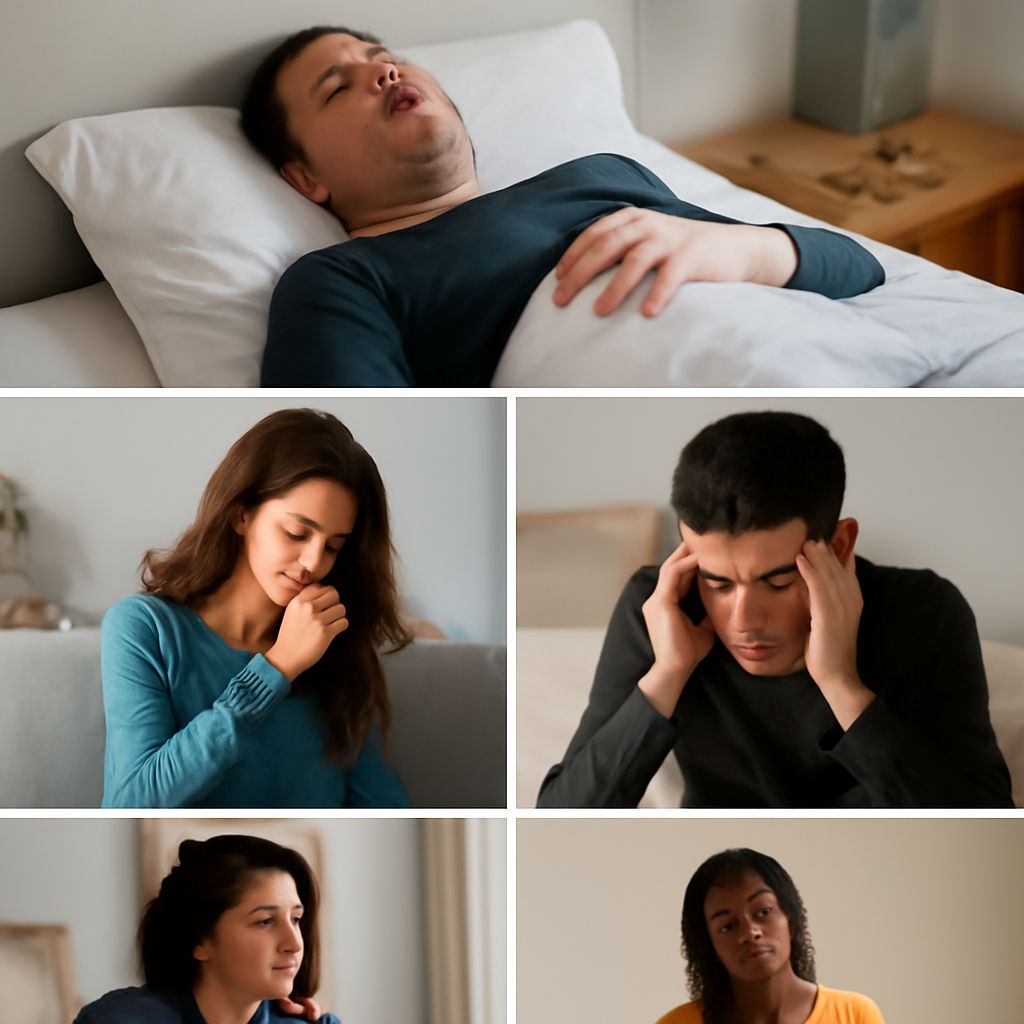
For individuals managing sleep apnea, improving the effectiveness of treatment can significantly enhance quality of life. Integrating techniques such as yoga with a CPAP oxygen setup can provide profound benefits. This approach not only optimizes breathing but also contributes to more restful nights and better overall health.
By exploring how to effectively use CPAP with oxygen, patients can find new ways to breathe easier and sleep better. Additionally, incorporating yoga for sleep apnea offers a holistic strategy that works in tandem with medical equipment to manage symptoms and improve well-being.
Understanding CPAP with Oxygen
What is CPAP with Oxygen?
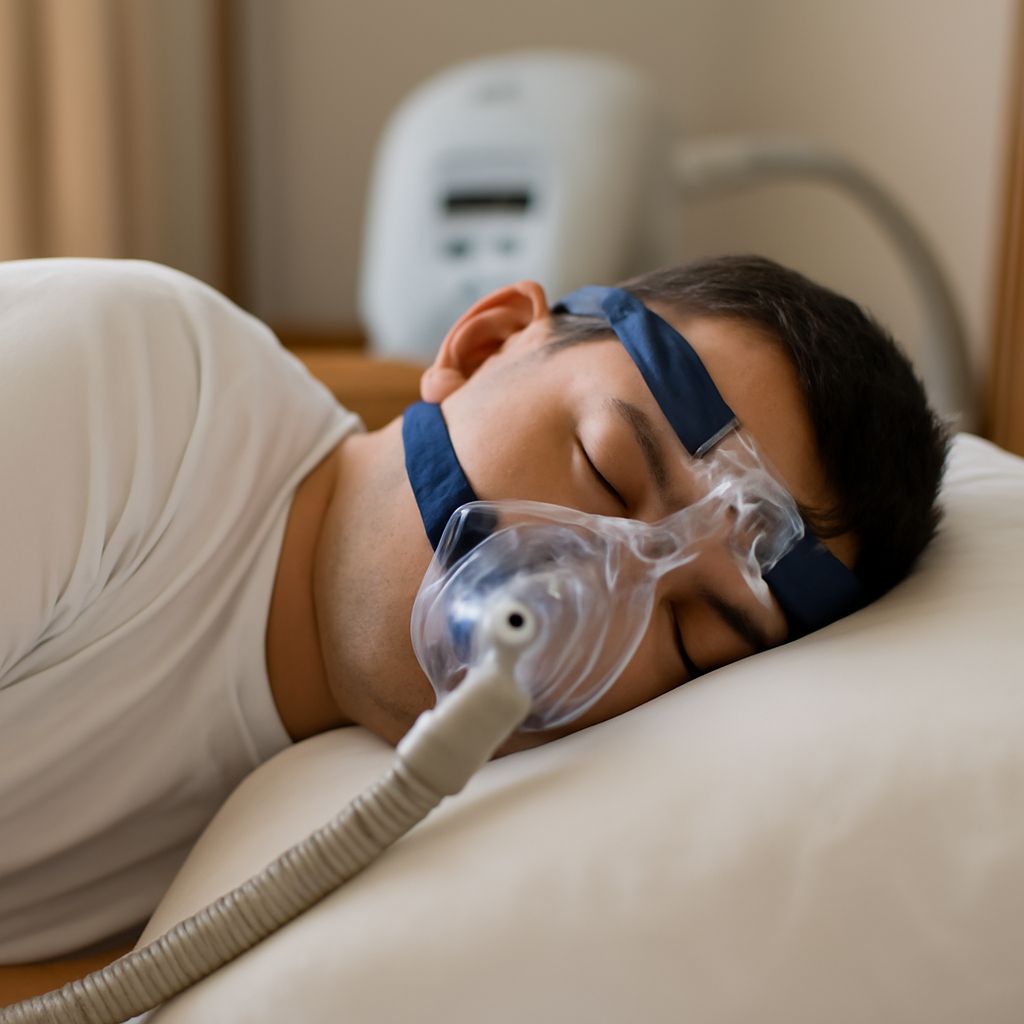
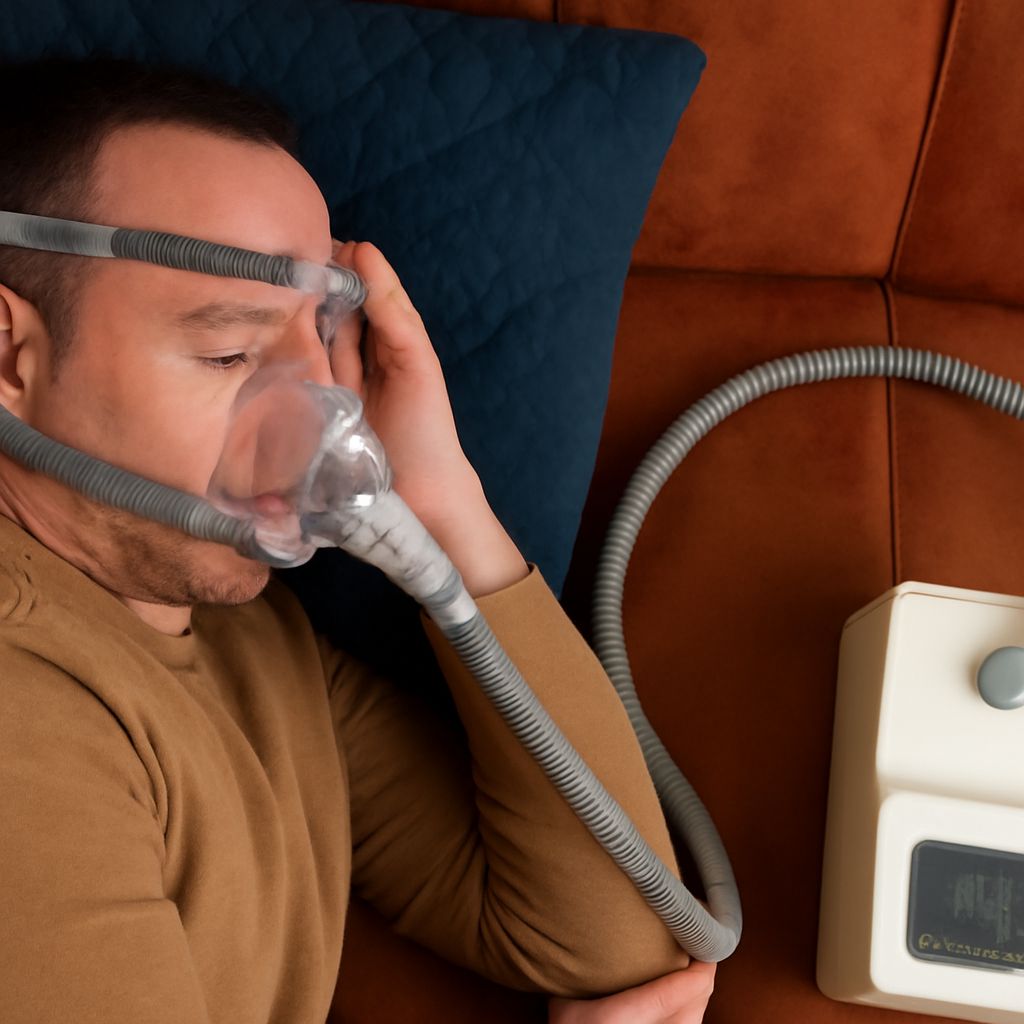
CPAP with oxygen involves the use of a Continuous Positive Airway Pressure machine, enhanced by supplemental oxygen, to treat sleep apnea. The primary goal is to keep the airway open during sleep, preventing interruptions in breathing. By adding oxygen, patients receive additional support, ensuring their blood oxygen levels remain within a healthy range, especially in more severe cases of sleep apnea.
Benefits of Adding Oxygen to CPAP
Adding oxygen to CPAP therapy can significantly benefit individuals with low blood oxygen levels at night. This combination not only helps maintain optimal oxygen saturation but also reduces the risk of cardiovascular complications associated with sleep apnea. Furthermore, patients often report feeling more refreshed and energized upon waking, indicating improved sleep quality.
Yoga for Sleep Apnea: A Complementary Approach
How Yoga Helps in Managing Sleep Apnea
Yoga for sleep apnea offers a natural method to enhance respiratory function and strengthen the muscles involved in breathing. Specific breathing exercises, known as pranayama, increase lung capacity and promote relaxation, aiding in better sleep. By reducing stress and promoting a calm mind, yoga complements traditional treatments, potentially lowering the severity of sleep apnea symptoms.
Top Yoga Poses for Better Breathing
Certain yoga poses are particularly effective in opening the chest and improving airflow. Poses such as the bridge pose, cat-cow stretch, and cobra pose target the respiratory muscles, enhancing lung efficiency. Practicing these poses regularly can aid in better oxygen delivery throughout the body, supporting the overall effectiveness of CPAP therapy.
How to Add Oxygen to Your CPAP Device
Steps to Integrate Oxygen with CPAP
Integrating oxygen with a CPAP device involves a few essential steps. First, consult a healthcare provider to determine the appropriate oxygen flow rate for your needs. Once prescribed, connect the oxygen supply tubing to the CPAP machine using a compatible adapter. Ensure all connections are secure to prevent leaks and maintain the desired therapeutic levels throughout the night.
Tips for Optimal CPAP Oxygen Use
To maximize the benefits of CPAP with oxygen, ensure that the equipment is properly maintained. Regularly clean the mask, tubing, and humidifier chamber to prevent infections. Monitor the oxygen levels using a pulse oximeter, adjusting the settings as advised by your healthcare provider. Continuous monitoring and adjustments help maintain optimal therapeutic outcomes.
Is Oxygen for Sleep Apnea Right for You?
Consulting with Your Healthcare Provider
Before adding oxygen to your CPAP regimen, a thorough evaluation by a healthcare provider is essential. They will assess your specific needs, considering factors such as the severity of sleep apnea and baseline oxygen levels. This consultation ensures that the integration of CPAP with oxygen is tailored to your condition, maximizing the treatment’s effectiveness.
Evaluating Your Sleep Apnea Treatment Options
Evaluating the available treatment options for sleep apnea involves considering various factors, including lifestyle, comfort, and potential benefits. While CPAP with oxygen provides a powerful solution for many, alternative or complementary options like positional therapy or lifestyle changes might also be worth exploring. A comprehensive treatment plan often includes several strategies to address the condition holistically.
Bottom line: CPAP with oxygen presents a valuable advancement in sleep apnea treatment, offering enhanced support and improved outcomes. By combining this approach with practices like yoga for sleep apnea, patients can enjoy a more comprehensive and effective treatment regimen. Consultation with healthcare professionals is crucial to tailor the best therapeutic approach for individual needs.