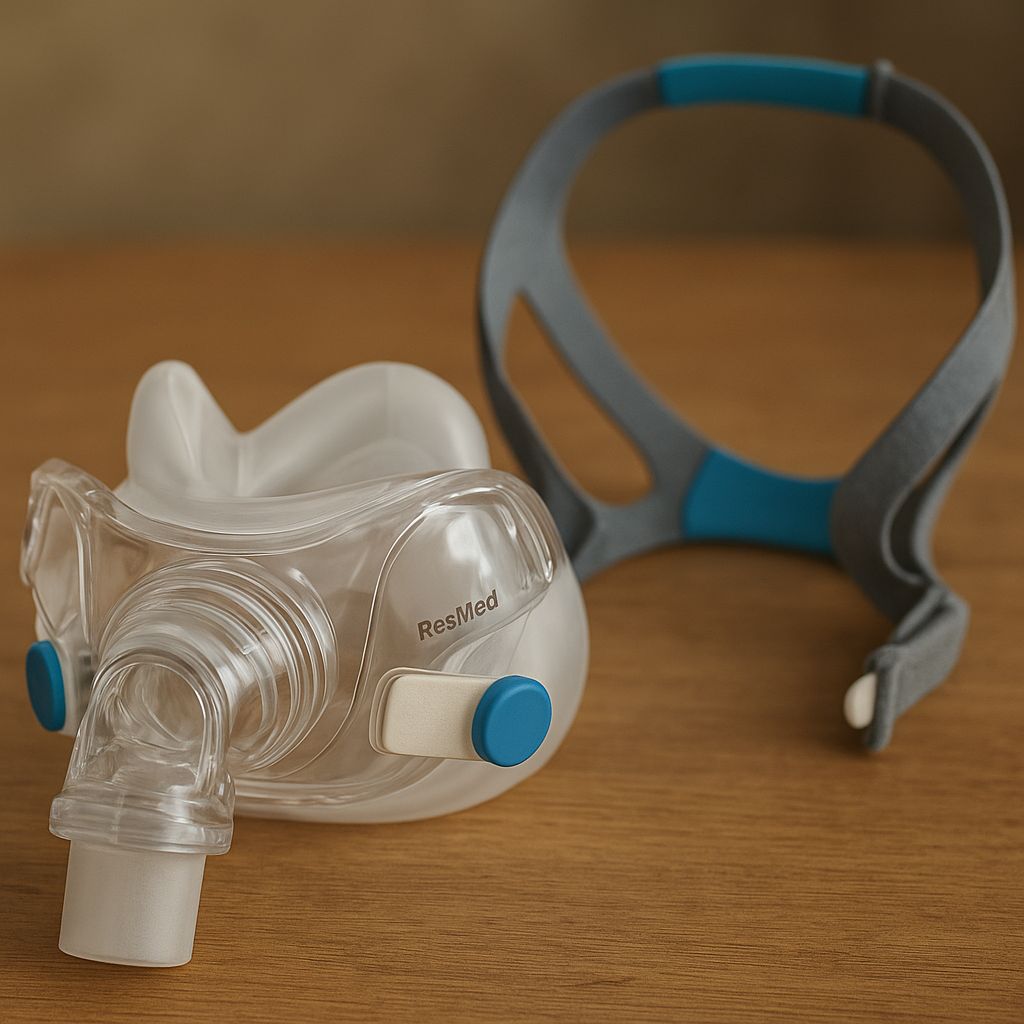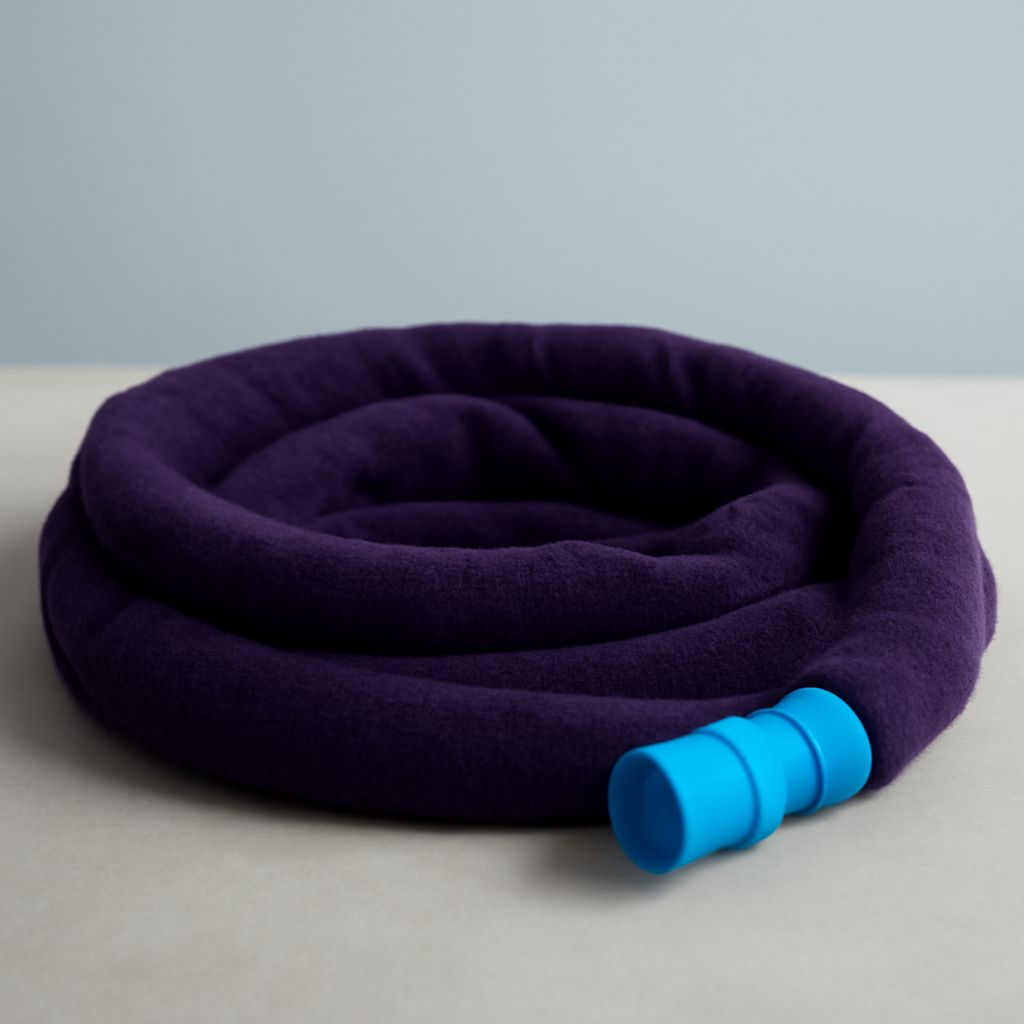
A cpap hose cover is one of the simplest and most effective CPAP accessories available. The standard CPAP tubing — typically a smooth polycarbonate or flexible plastic hose — conducts cold air from the machine to the warm, humid mask environment, creating a temperature differential that causes condensation (“rainout”) inside the hose. A cpap hose cover wraps the tubing in an insulating fabric sleeve that maintains the air temperature along the length of the tube, dramatically reducing rainout and improving airflow comfort, particularly in cooler sleeping environments.
Paired with knowing the best soap to clean cpap mask components, a hose cover extends the life of CPAP equipment and maintains hygiene standards that prevent bacterial colonization. CPAP hose management — the practice of routing and securing the hose to minimize tangling and mask displacement during sleep — is equally important for compliance. CPAP mask irritation, a common reason patients abandon therapy, is frequently caused by inadequate hose management rather than mask fit problems. Finally, a cpap coupon from manufacturers or online retailers can significantly reduce the cost of ongoing supply replenishment.
Choosing and Using a CPAP Hose Cover
CPAP hose covers are available in two primary formats:
- Full-length hose covers: Fabric tubes (typically 100% cotton or polyester fleece) that slide over the entire hose length. These provide maximum insulation and rainout prevention. Cotton is preferable for warm sleepers; fleece is better for those sleeping in cold rooms.
- Clip-on insulating covers: Partial covers that attach to specific sections prone to condensation, usually the section near the mask where temperature differential is greatest. Less effective than full covers but simpler to install.
Installation: most full-length hose covers include a front opening with snap or hook-and-loop closures that allow the cover to be applied without removing the hose from the machine. Wash weekly with other CPAP fabric components.
Best Soap to Clean CPAP Mask Components
The best soap to clean cpap mask components is mild, unscented, and free from moisturizers, oils, and antibacterial agents. Specifically:
- Recommended: Fragrance-free dish soap (Dawn Free & Gentle, Seventh Generation Free & Clear), baby shampoo, or CPAP-specific mask cleaner wipes and sprays.
- Avoid: Any soap containing lanolin (degrades silicone cushions), antibacterial agents (leave residue that irritates skin), moisturizing ingredients (coat silicone and prevent seal), or fragrances (cause facial skin reactions and degrade foam components).
Daily cleaning protocol: rinse mask components in warm water, apply a small amount of mild soap to the cushion and frame, rub gently, rinse thoroughly (soap residue affects skin and seal), and allow to air dry away from direct sunlight. UV light degrades silicone over time. Weekly: disassemble the mask completely and soak all components for 10–15 minutes in a dilute mild-soap solution before rinsing and air drying.
CPAP Hose Management and Mask Irritation Prevention
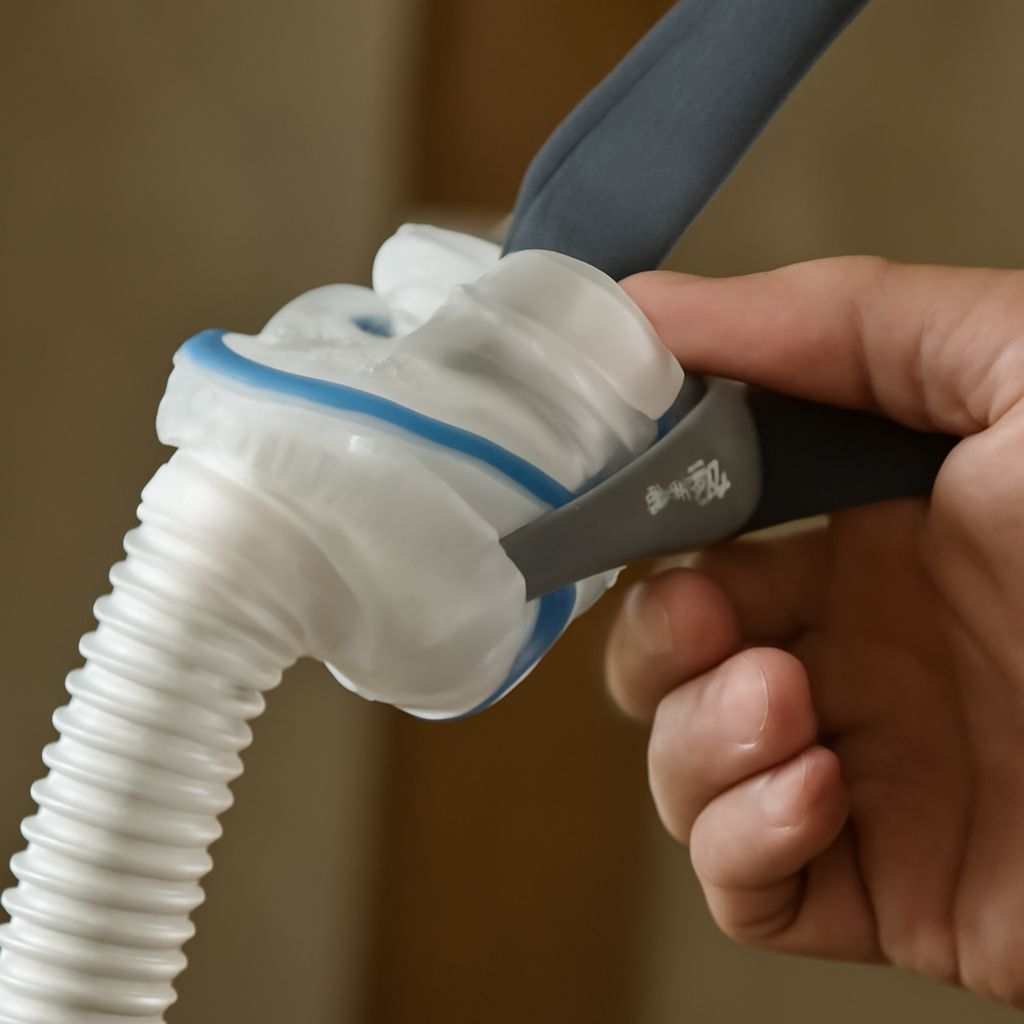
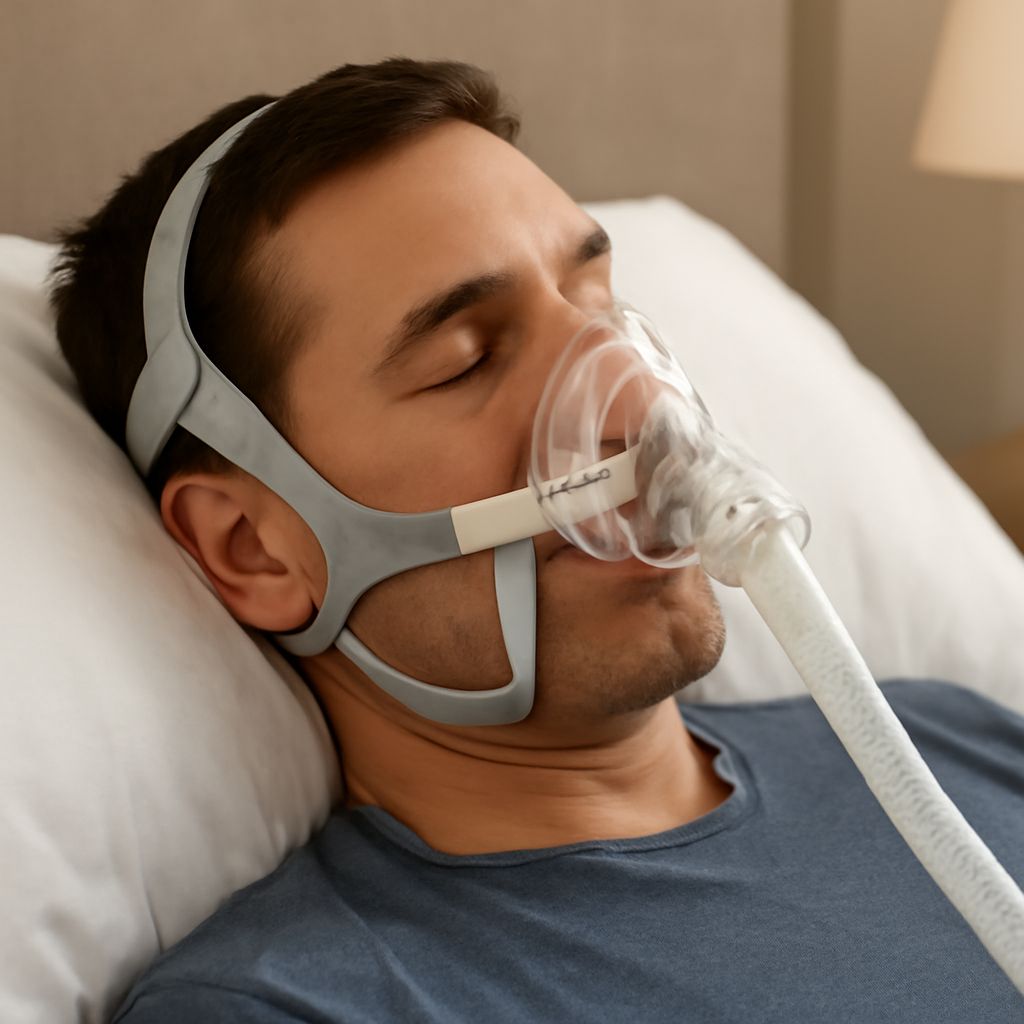
Cpap hose management addresses the mechanical problem of the hose pulling on the mask during sleep. When the hose is not managed, body movements cause tugging on the mask seal, creating air leaks and skin pressure points — two of the most common contributors to cpap mask irritation.
Effective hose management strategies:
- Route the hose over the top of the head (for top-of-mask connections) using a CPAP hose holder clip attached to the headboard or wall above the pillow.
- Use a CPAP pillow with hose routing slots to minimize lateral tension during side sleeping.
- Consider a CPAP hose lift (a flexible arm mounted behind the headboard) that suspends the hose above the sleep surface, eliminating tug entirely.
When cpap mask irritation persists despite good hose management and proper cleaning, assess cushion age (replace if more than two weeks old), cushion size (incorrectly sized cushions create pressure points even when sealing), and mask frame contact points (some users benefit from mask liner pads at friction zones).
For cost management, a cpap coupon from manufacturers (ResMed, Philips, Fisher & Paykel) is often available via their patient portals, and online CPAP retailers frequently offer discount codes for subscription resupply programs that reduce the per-unit cost of masks, cushions, and filters by 20–40% compared to retail pricing.