Cleaning CPAP with vinegar is a widely practiced method that the manufacturer guidelines do not officially endorse — but it has a practical basis in chemistry that explains both when it works and where its limitations lie. The choice to clean CPAP with vinegar typically arises because white distilled vinegar is inexpensive, universally available, and has documented antimicrobial properties against many bacteria and mold species found in CPAP equipment. CPAP cleaning vinegar solutions work by lowering pH below the level at which most pathogens can survive — acetic acid at 5 percent concentration kills most bacteria within 30 minutes of contact. The separate question of whether apple cider vinegar for sleep has any evidence-based benefit is unrelated to equipment cleaning and is addressed briefly below. Cleaning CPAP with hydrogen peroxide is an alternative for users who want a stronger disinfectant, and understanding the difference between these two options — what they kill, what they damage, and how to use them safely — prevents equipment degradation while maintaining hygiene standards.
This guide covers the correct protocol for vinegar-based cleaning, its limitations, and when hydrogen peroxide is the more appropriate choice.
Vinegar Cleaning: Protocol, Concentration, and What It Does Not Kill
Step-by-Step Vinegar Cleaning Method
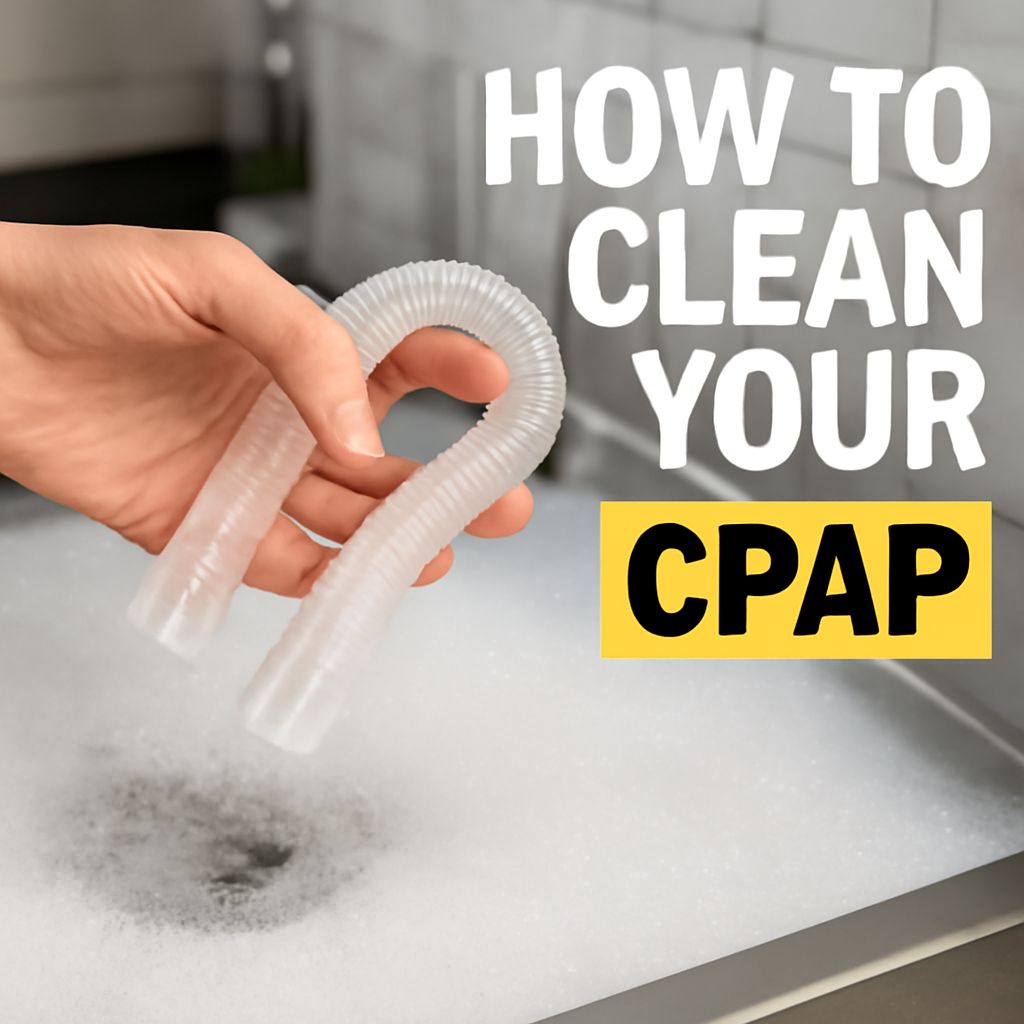
Distilled white vinegar at 5 percent acetic acid concentration is the only appropriate type for CPAP cleaning — not apple cider vinegar, which contains sugars and organic compounds that leave residue on silicone surfaces. The cleaning sequence for the mask, tubing, and humidifier chamber is: pre-rinse with warm water to remove mucus and oils; soak in a 1:3 mixture of vinegar to water for 30 minutes; rinse thoroughly with distilled water for at least 60 seconds; and air-dry completely before reassembly. Incomplete drying is the most common error — residual moisture inside the tubing creates the humidity conditions that support mold growth even after cleaning.
The limitations of vinegar as a CPAP disinfectant are important to understand. It kills most bacteria and mold effectively at the 1:3 concentration but does not reliably inactivate respiratory viruses including rhinovirus and influenza. During respiratory illness seasons or after recovering from a respiratory infection, supplementing with a 3 percent hydrogen peroxide soak for 30 minutes provides the broader-spectrum antimicrobial action that vinegar cannot deliver.
Hydrogen Peroxide Method and When to Use It
Household hydrogen peroxide at 3 percent concentration — the standard pharmacy version — kills bacteria, mold, and most respiratory viruses through oxidative damage to cell membranes and viral capsids. The cleaning protocol mirrors the vinegar method: soak mask components and tubing in 3 percent H2O2 solution for 30 minutes, then rinse with distilled water for at least 90 seconds until no odor remains. Residual hydrogen peroxide is irritating to mucosal tissues, so thorough rinsing is more critical here than with vinegar.
Hydrogen peroxide at concentrations above 3 percent damages silicone over time, causing the material to become brittle and lose elasticity — both of which compromise mask seal. The 3 percent pharmacy concentration is safe for silicone with weekly use; daily use at this concentration may accelerate seal degradation over several months.
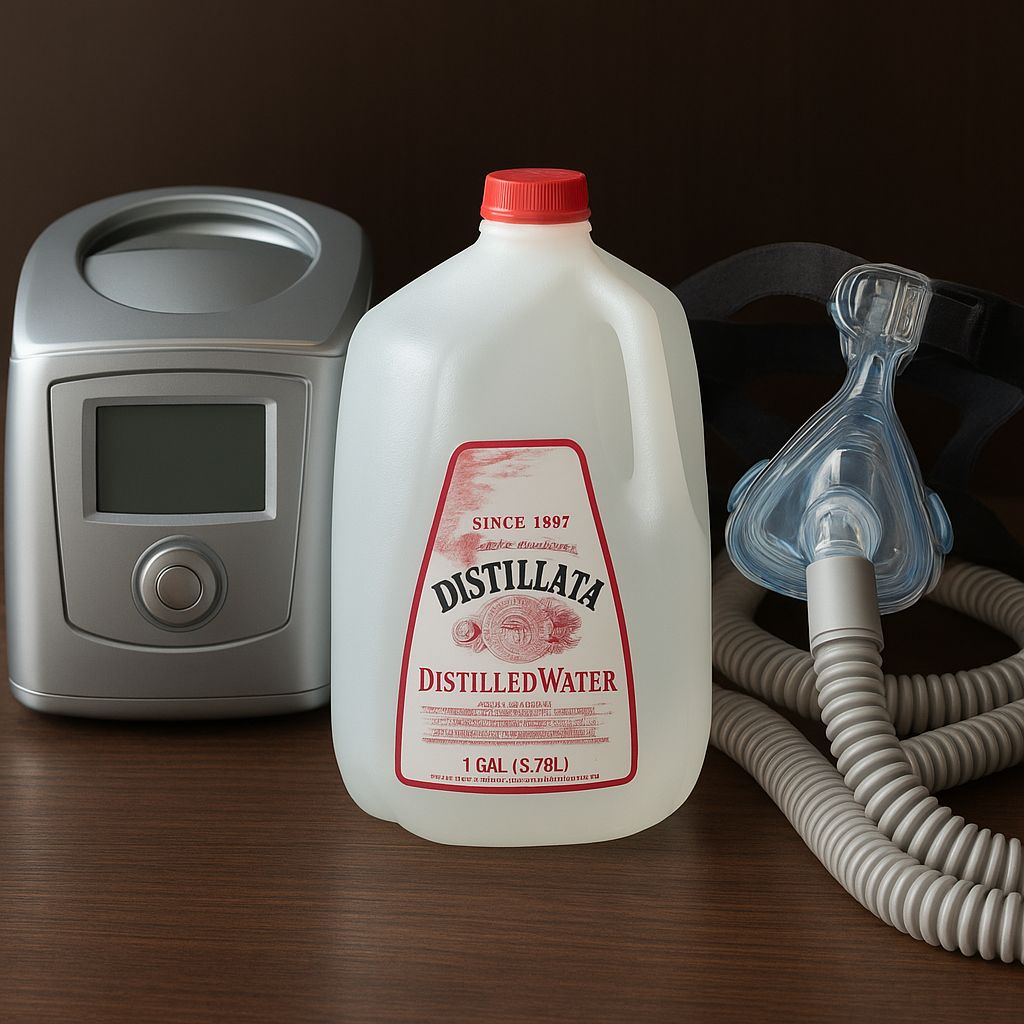
The humidifier water chamber requires special attention regardless of cleaning agent. Mineral deposits from tap water accumulate on the chamber walls and provide a substrate for biofilm formation that vinegar and hydrogen peroxide do not easily penetrate. Using distilled water in the humidifier reduces mineral accumulation significantly and extends the time between deep cleaning cycles. When mineral scale is visible, a pure undiluted vinegar soak for 60 minutes followed by thorough rinsing removes it without damaging the polycarbonate chamber material.
The CPAP machine itself — the motor and electronics unit — should never be immersed in any liquid. The air inlet filter is the only cleanable part on most machines; it should be rinsed weekly under running water, allowed to dry completely, and replaced according to manufacturer schedule (typically monthly for disposable filters, quarterly for non-disposable ones).
Safety recap: Never use vinegar or hydrogen peroxide concentrations above 3 percent on silicone mask components. Always rinse with distilled water until no odor of cleaning agent remains, and allow full air-drying before use — residual cleaning agents inhaled through the airway cause mucosal irritation that is entirely preventable. Apple cider vinegar should not be used for CPAP cleaning, as its organic content supports rather than prevents microbial growth after application.