Understanding how to relieve hip pain while sleeping requires looking at both sleep position and the underlying structures causing discomfort. Side sleepers face particular pressure on the greater trochanter and surrounding bursa, creating pain cycles that interrupt sleep and build over consecutive nights. The right combination of positioning, support, and pre-sleep preparation can break that cycle within three to seven days.
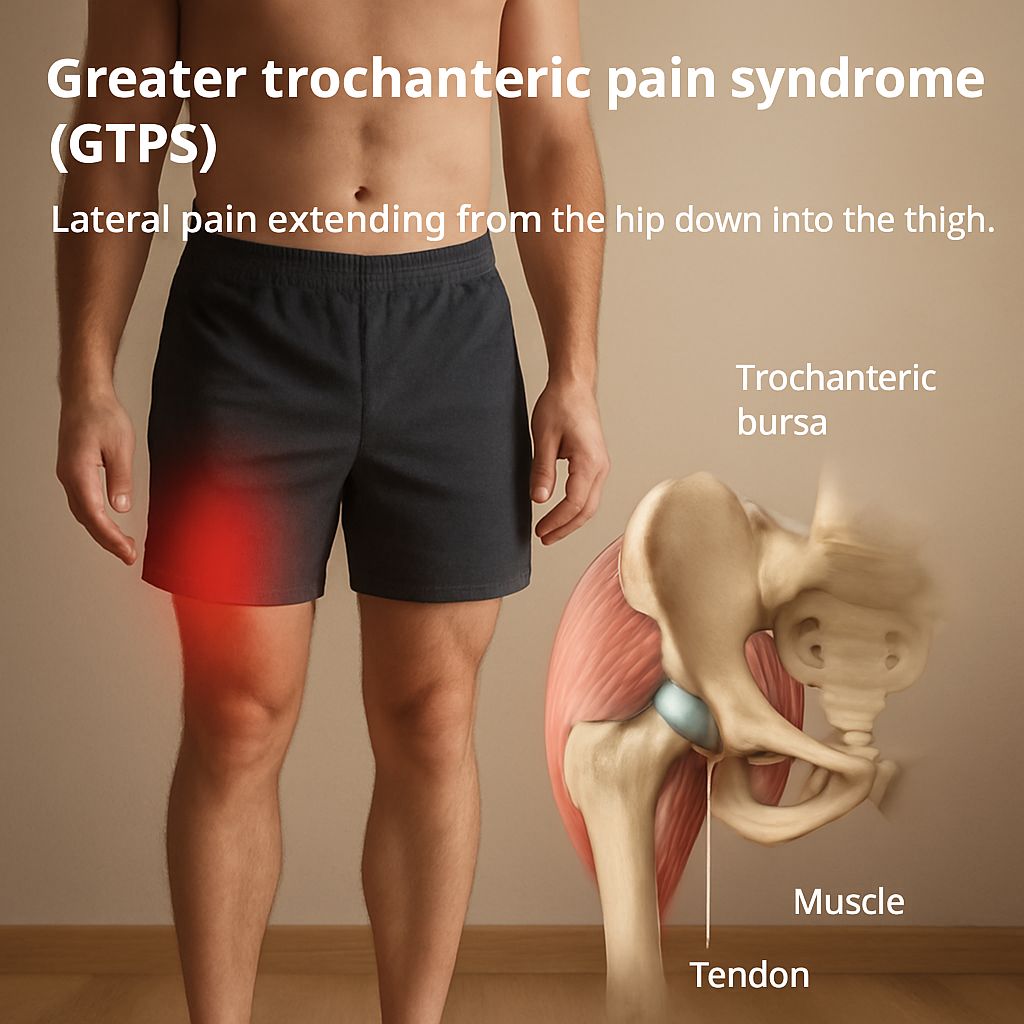
The question of why does my hip hurt when I sleep on my side often points to bursitis, iliotibial band tightness, or direct pressure on cartilage. Hip pain from sleeping accumulates gradually, and many people only notice it after weeks of the same pattern. For those wondering why do my hips hurt when I sleep on my side, the answer is usually positional stress on tissue that lacks adequate support. Hip and leg pain when sleeping on side together can indicate referred pain from piriformis involvement or a compressed sciatic nerve.
Positioning Adjustments That Reduce Hip Pressure
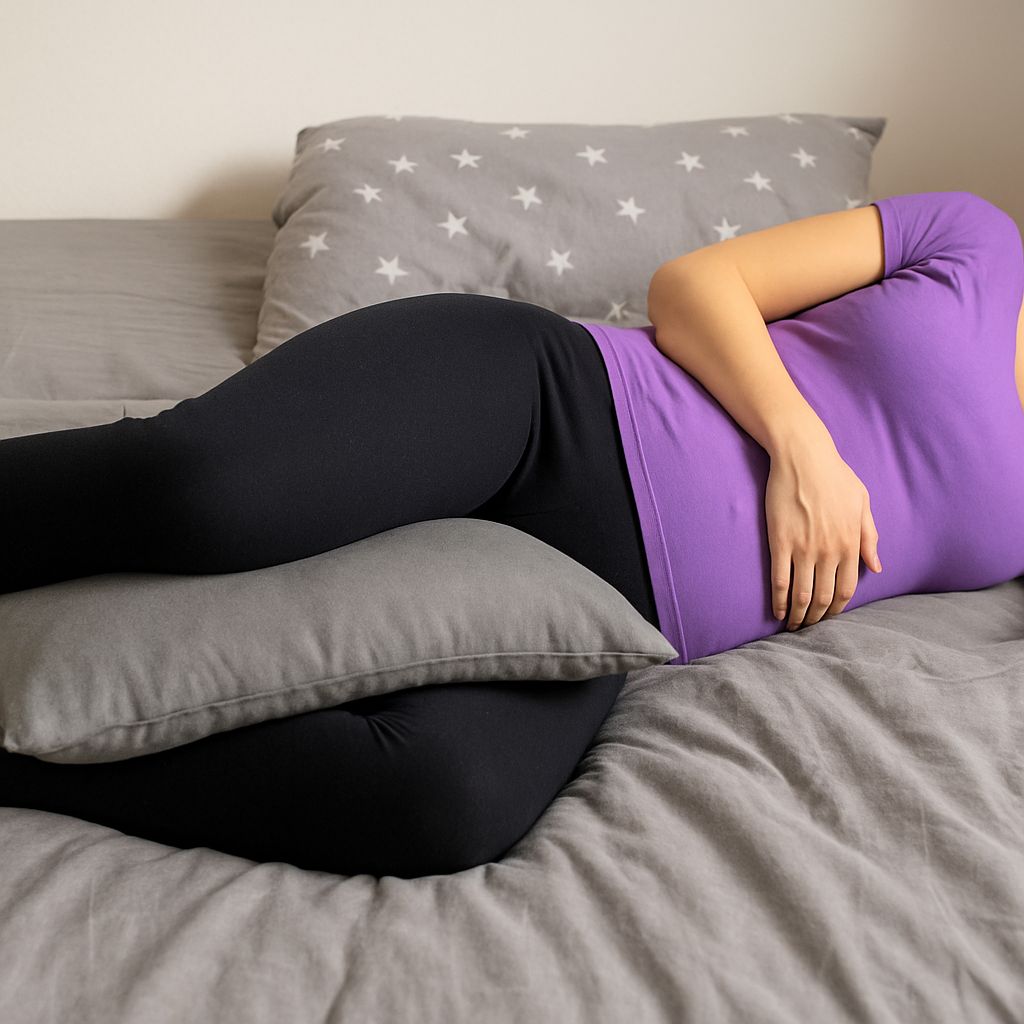
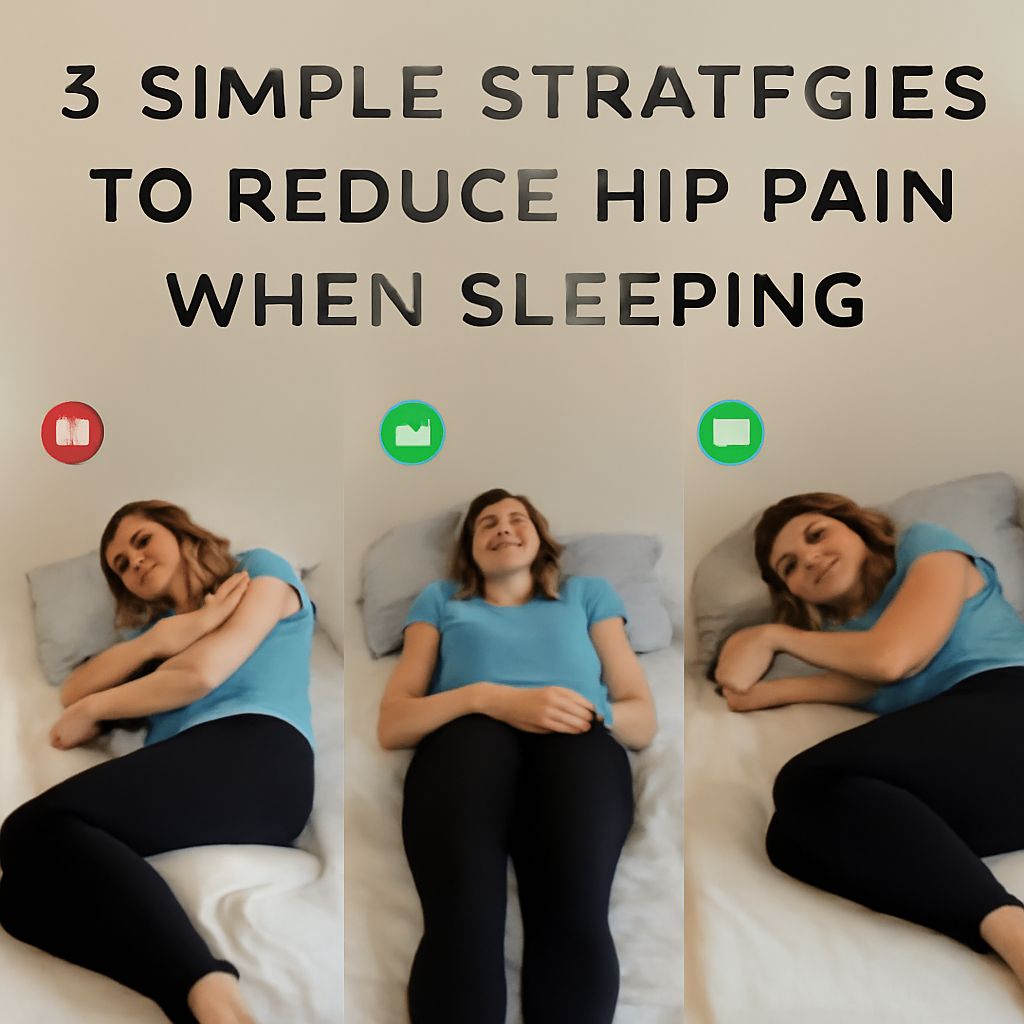
A pillow placed between the knees when side sleeping reduces internal rotation at the hip by 15–20 degrees, which directly lowers pressure on the bursa and joint capsule. The pillow thickness matters: 4–6 inches keeps the spine aligned while supporting the top knee at the same height as the hip. Thinner pillows allow the top leg to drop, recreating the rotation that causes pain.
Switching to the non-painful side with knee support offers immediate relief for unilateral hip, or groin, pain. Back sleeping with a pillow under both knees takes pressure off the hip flexors and reduces anterior pelvic tilt by roughly 10 degrees, which benefits people with hip flexor tightness from prolonged sitting.
Mattress and Surface Considerations
A mattress that is too firm creates pressure points at the greater trochanter when side sleeping; one that is too soft allows the hip to sink and the spine to bow laterally. Medium-firm surfaces, typically rated 5–6 on a 10-point scale, distribute weight across the shoulder and hip simultaneously. A 2-inch memory foam topper added to a firm mattress provides contouring without sacrificing support.
Pre-Sleep and Recovery Strategies
Ten minutes of targeted hip stretching before bed reduces muscle tension that compresses the joint during sleep. Piriformis stretches held for 30 seconds on each side, repeated twice, measurably decrease lateral hip tightness within two weeks of consistent practice. Ice applied for 15–20 minutes before lying down reduces acute bursa inflammation; heat works better for chronic muscle tightness lasting more than 48 hours.
Bottom line: Hip pain during sleep almost always responds to positional correction combined with targeted pre-sleep stretching. A pillow between the knees, a supportive surface, and consistent stretching address the three main physical causes. Most people notice measurable improvement within one week of applying all three adjustments together.