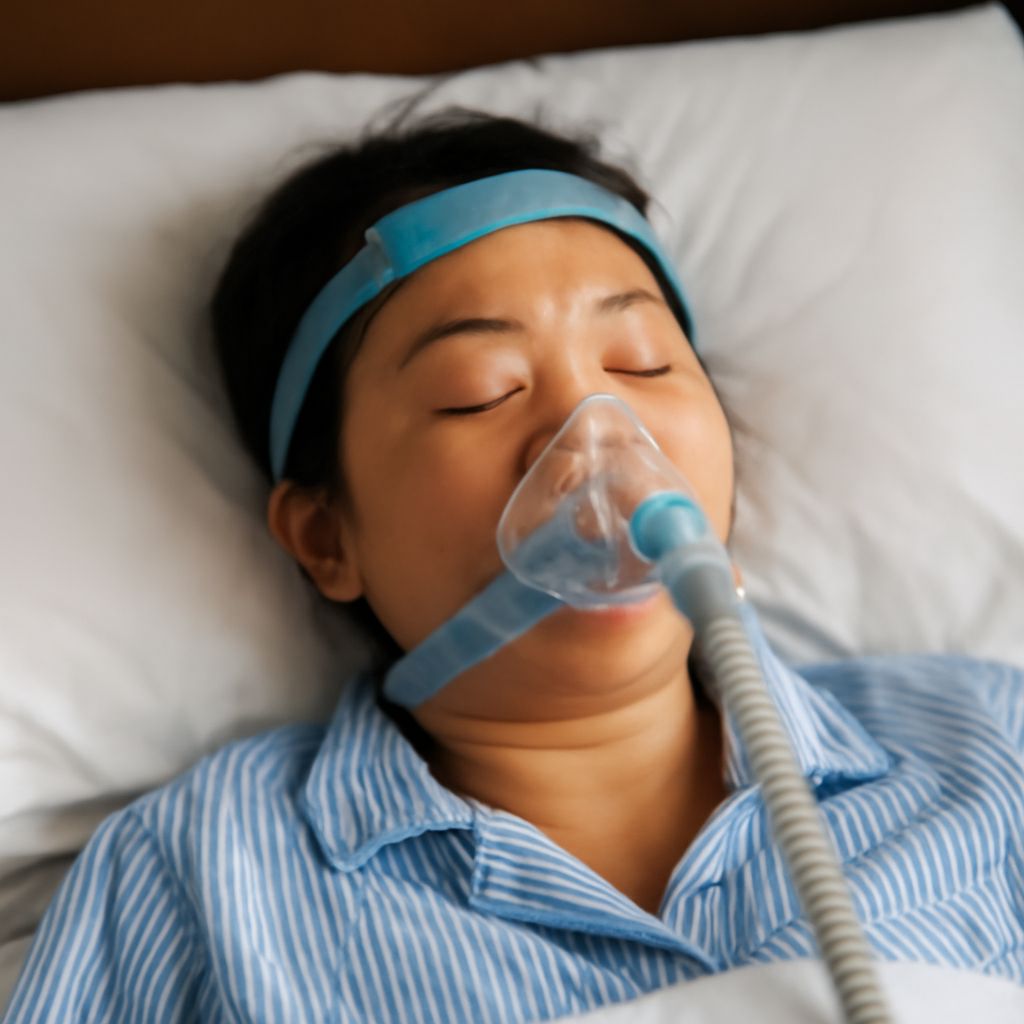
Sleep apnea test cost varies widely depending on whether the study is conducted in a lab or at home, and whether insurance covers any portion of the expense. Lab-based polysomnography typically runs between $1,000 and $3,000 without coverage. Home sleep apnea tests cost between $150 and $500 out of pocket. Knowing the range before scheduling prevents surprises and allows for better financial planning.
How much does a sleep study cost without insurance depends heavily on facility type, geographic location, and whether a physician’s order is required. Home sleep study instructions are generally simple enough that most patients complete the test without assistance, which is one reason the at-home option is increasingly common. Interest in a free sleep study or free at home sleep apnea test reflects real financial barriers that affect access to diagnosis and treatment for a significant portion of the population.
Lab Study vs. Home Test: Costs and What Each Measures
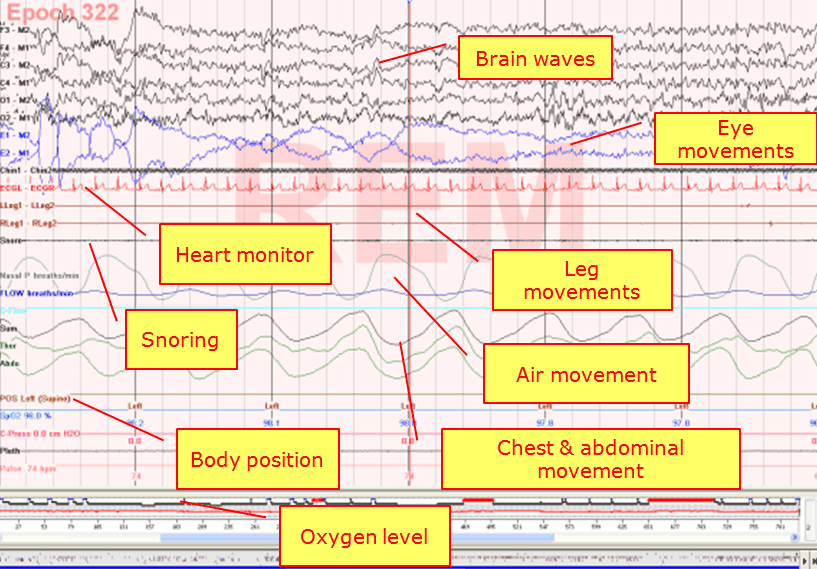
An in-lab polysomnogram measures over 16 physiological channels, including brain activity, eye movements, muscle tone, oxygen saturation, and airflow. It is the diagnostic standard for complex cases, pediatric patients, and suspected parasomnias. The sleep apnea test, or polysomnogram, at a hospital-affiliated facility averages $2,200 without insurance; independent sleep centers charge $800–$1,400 for the same study.
Home sleep tests measure fewer parameters, typically airflow, respiratory effort, oxygen saturation, and pulse rate, but they detect obstructive sleep apnea with 85–90% sensitivity compared to lab studies. For uncomplicated adults without suspected central apnea or significant comorbidities, home testing is clinically appropriate and costs a fraction of the lab alternative.
Insurance Coverage and Prior Authorization
Most major insurers cover sleep studies when ordered by a physician and supported by documented symptoms: excessive daytime sleepiness, witnessed apneas, or a partner-reported pattern of gasping. Prior authorization typically takes 3–7 business days. Patients without insurance can ask facilities about self-pay discounts, which frequently reduce the listed rate by 20–40%.
Free and Low-Cost Options That Actually Exist
A free sleep study is available through certain university hospital research programs, though enrollment criteria are specific and waitlists exist. Some community health centers and Federally Qualified Health Centers offer subsidized sleep testing on a sliding-fee scale tied to household income. Patients below 200% of the federal poverty level often qualify for zero-cost or minimal-cost testing at these facilities.
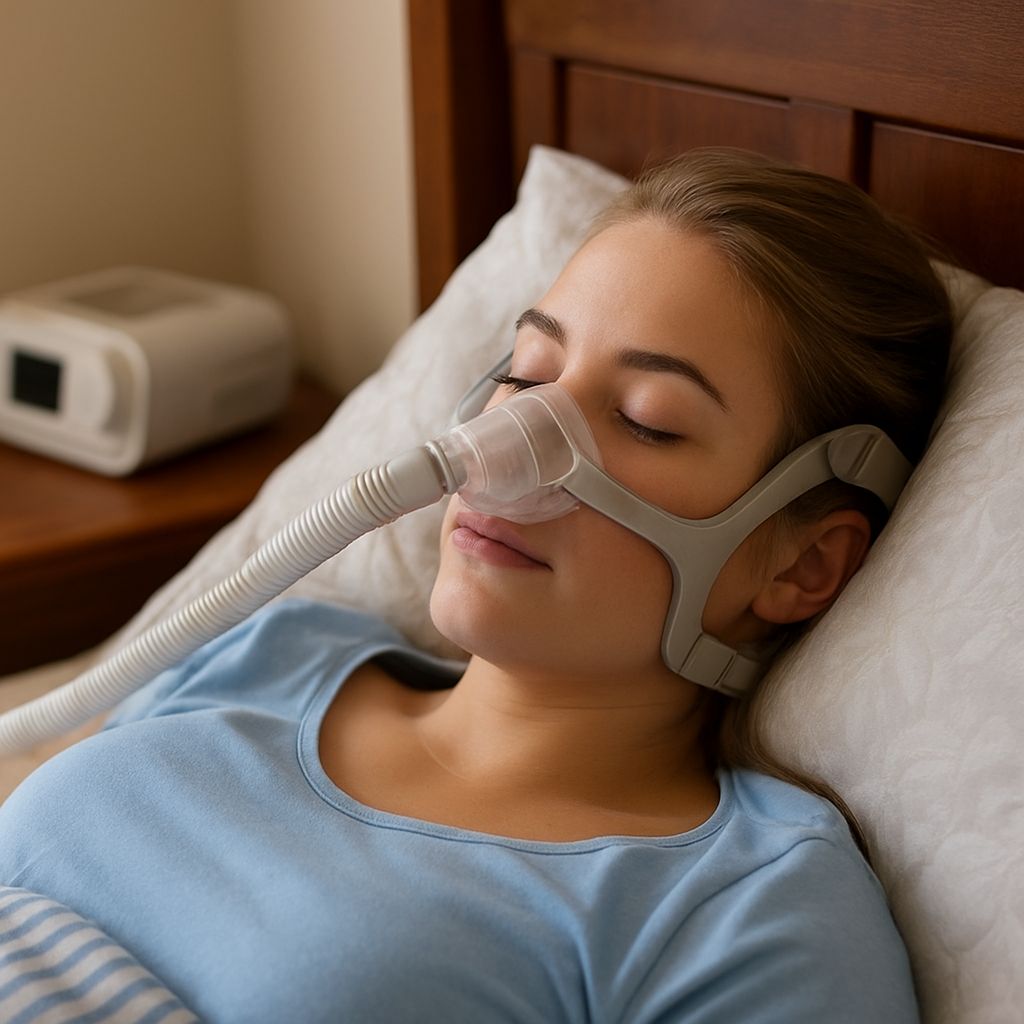
A free at home sleep apnea test is occasionally offered by device manufacturers as part of post-market surveillance studies. DME suppliers sometimes provide home tests at no charge when the patient agrees to purchase a CPAP device through them if the test confirms a diagnosis. Reading the terms carefully before agreeing to these arrangements is important, as the device cost can offset the testing savings.
Pro tips recap: Request a home sleep test first unless the ordering physician has specific clinical reasons for a lab study. Ask the facility directly about self-pay rates and research program availability. Free options exist but require proactive searching and may involve waitlists or specific eligibility criteria.