Knowing how to sleep with a sore throat can mean the difference between a restless night and genuine recovery. Pain spikes when lying flat, swallowing becomes harder, and the usual bedtime routine offers little comfort. This guide pulls together practical, evidence-backed adjustments that address both the discomfort and its causes so sleep actually happens.
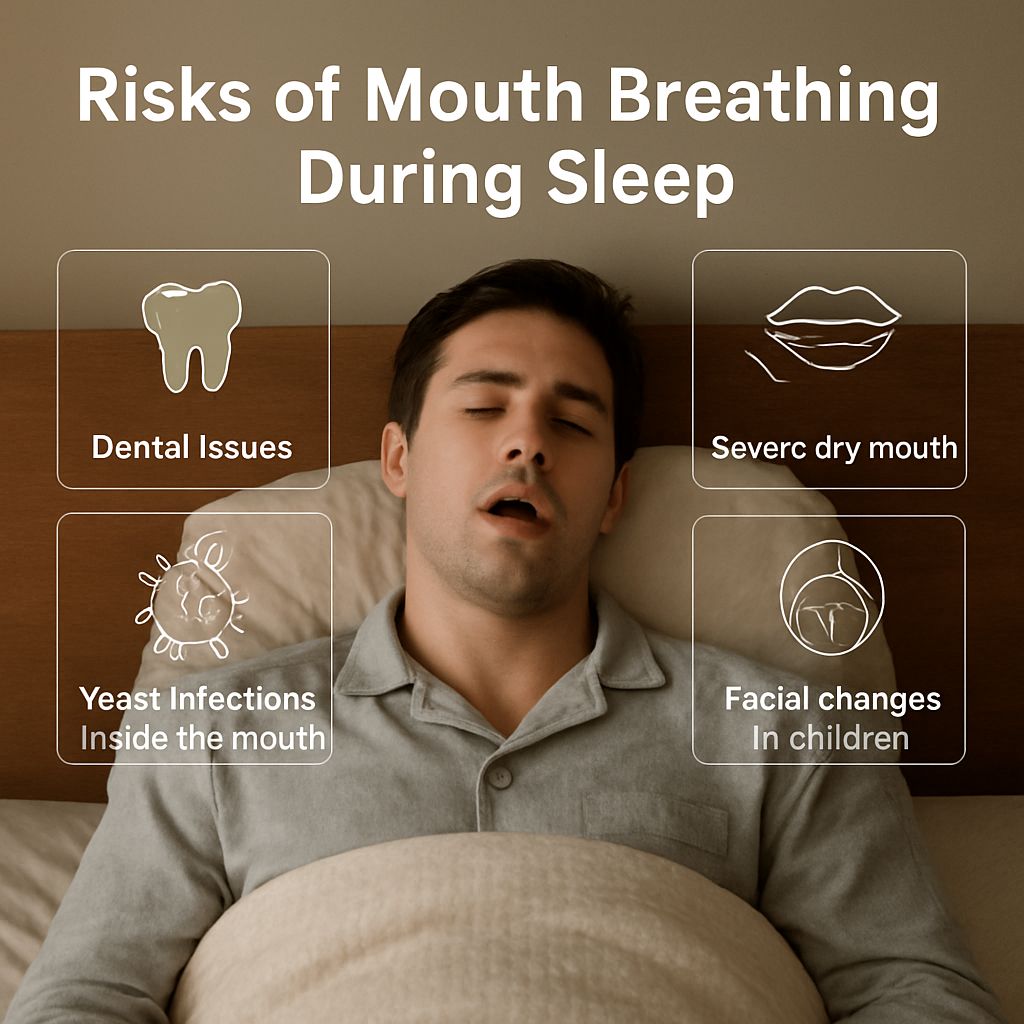
Learning how to sleep with sore throat symptoms starts before the pillow is even touched. A sore throat after sleeping often signals dry air or postnasal drip that worsened overnight. People who experience sleeping with mouth open sore throat problems wake up with raw, parched tissue because mouth breathing bypasses the nose’s natural humidifying function. A sore throat from sleeping with mouth open can compound existing inflammation, turning a mild irritation into genuine pain.
Sleep Positions and Environment That Ease Throat Pain
Elevation is the first adjustment worth making. Propping the head up at a 30-to-45-degree angle, using two firm pillows or a wedge pillow, reduces postnasal drip by keeping secretions from pooling at the back of the throat. Side sleeping at this elevation also keeps the airway open and reduces the chance of mouth breathing.
Humidity directly affects throat comfort overnight. A cool-mist humidifier set to 40–50% relative humidity moistens the air within 20–30 minutes and measurably reduces the dryness that drives throat irritation. Rooms below 30% humidity feel noticeably drier within an hour of falling asleep, and a parched throat follows quickly.
Nasal Breathing Support
Nasal strips, saline rinses before bed, and chin straps all help reduce mouth breathing. When nasal passages are congested, a saline rinse 10 minutes before lying down can clear blockages enough to allow nasal breathing for the first two to three hours of sleep. That window covers the critical early sleep cycles when recovery is most active.
Pre-Sleep Remedies That Reduce Throat Pain
Warm liquids taken 15–20 minutes before bed coat irritated tissue and temporarily reduce swelling. Honey in warm water has measurable antimicrobial properties and forms a thin protective layer over the mucosa. One tablespoon of honey in 8 ounces of warm water, consumed slowly, offers relief that lasts 30–45 minutes.
Over-the-counter throat sprays containing phenol or benzocaine numb the area for 20–30 minutes and are most useful immediately before sleep. Lozenges dissolve over 10–15 minutes and provide a shorter window, making sprays a better choice for the moment of lying down. Non-steroidal anti-inflammatory drugs taken with food 30 minutes before bed reduce swelling and bring measurable pain reduction within 45 minutes.
What to Keep Near the Bed
A glass of water at room temperature addresses throat dryness without the shock of cold, which tightens irritated muscle tissue. A travel-size saline spray handles sudden nasal, or mouth, dryness during the night without requiring a full wake-up routine. A second pair of pillows allows for quick elevation adjustment if pain increases mid-sleep.
Key takeaways: Elevating the head, adding humidity, and supporting nasal breathing address the physical causes of nighttime throat pain. Pre-sleep remedies narrow the discomfort window enough to allow sleep onset. Keeping water and a saline spray bedside covers flare-ups without full waking.