People researching how to cure sleep apnea naturally often fall into one of two groups: those with mild apnea who want to avoid device therapy, and those already on CPAP who want adjunct approaches to reduce their dependence on it. Natural cures for sleep apnea exist in a spectrum from well-evidenced lifestyle interventions to unsupported claims, and separating them requires looking at what clinical data actually shows about apnea-hypopnea index reduction. A natural remedy for sleep apnea that reduces AHI by 5 to 10 events per hour is clinically meaningful for mild cases and a useful supplement for moderate ones. Finding a natural cure for sleep apnea that completely eliminates apnea events in moderate-to-severe cases is not supported by the evidence — but reducing severity enough to lower cardiovascular risk and improve daytime function is achievable through specific, measurable lifestyle changes. A sleep apnea home remedy approach requires consistency and proper assessment, not trial-and-error supplementation.
This guide covers the interventions with real clinical backing, explains the mechanisms behind each, and draws a clear line between what the evidence supports and what it does not.
Interventions With Measurable Impact on AHI
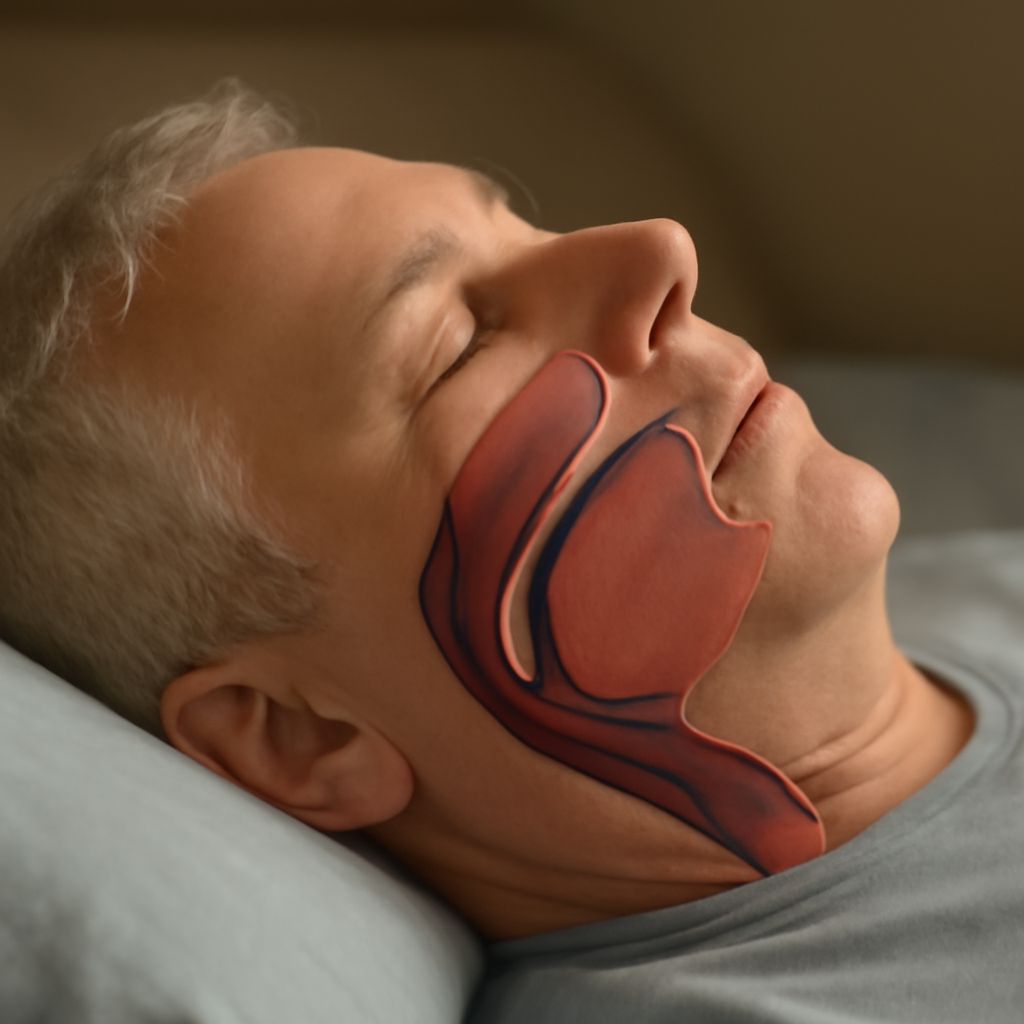
Weight reduction is the most powerful single natural intervention for obstructive sleep apnea in overweight and obese patients. A 10 percent reduction in body weight reduces AHI by approximately 26 percent in people with mild-to-moderate OSA, based on data from large longitudinal studies. The mechanism is straightforward: fat deposits in the parapharyngeal region and the base of the tongue narrow the upper airway, and reducing those deposits directly widens the passage available for airflow during sleep. The benefit appears across all weight-reduction methods — dietary, exercise-based, or combined — as long as actual weight loss occurs and is sustained.
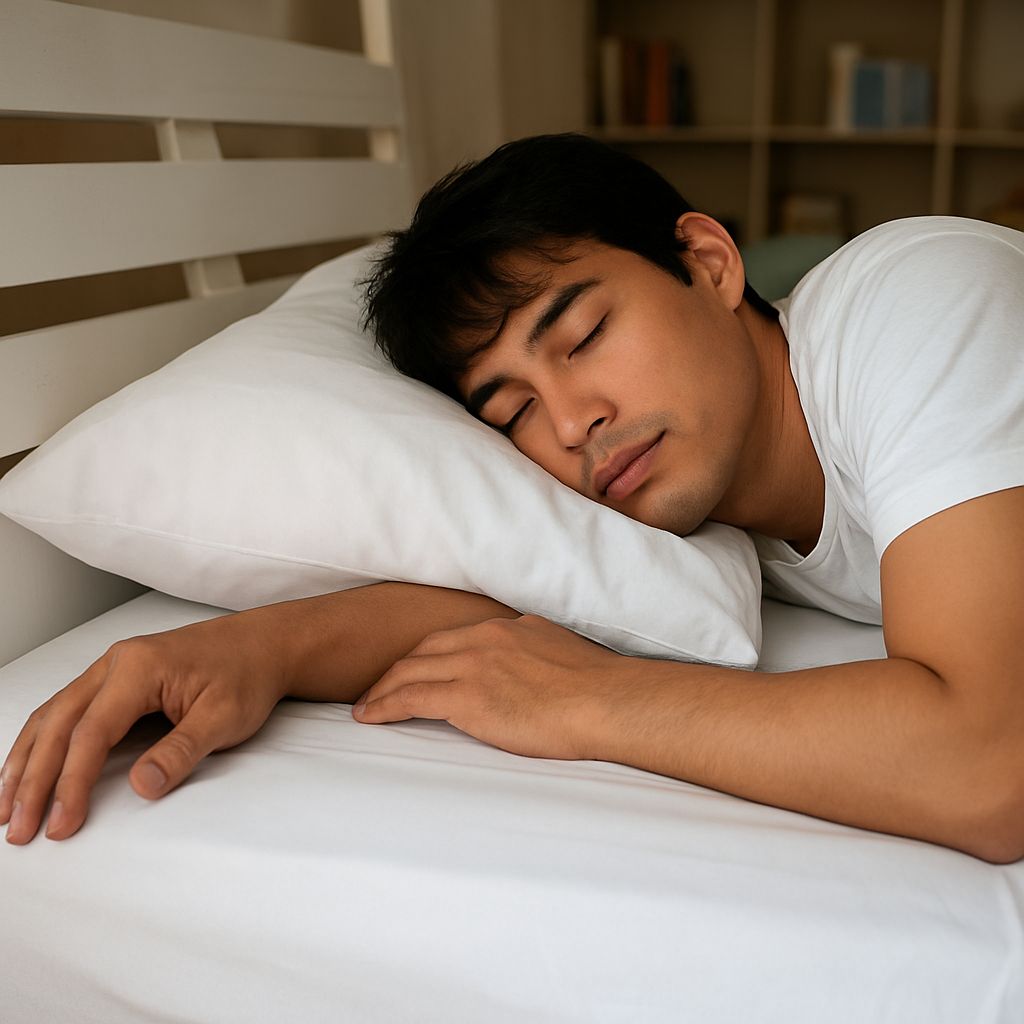
Positional therapy targets position-dependent OSA, where AHI in the supine position is at least twice the non-supine AHI. Approximately 55 to 60 percent of OSA patients meet this criterion. Vibrotactile positional devices — wearable sensors that vibrate when the sleeper rolls onto their back — reduce supine time by 60 to 80 percent and produce AHI reductions comparable to those of mandibular advancement devices in this specific population. A positional pillow that prevents back-rolling is a lower-tech alternative and costs less than $40, making it one of the most accessible home remedies with real evidence behind it.
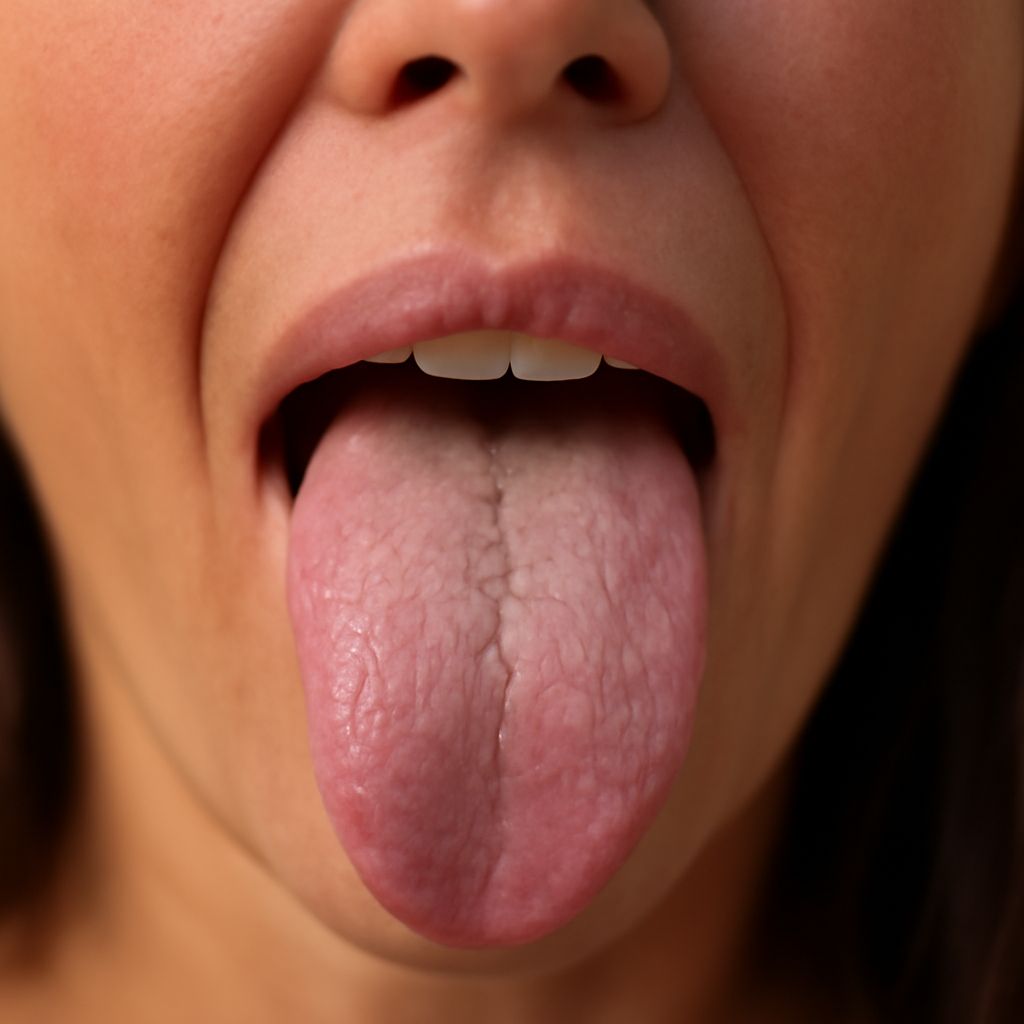
Myofunctional therapy — a structured program of tongue, soft palate, and pharyngeal muscle exercises — reduces AHI by an average of 50 percent and snoring loudness by 59 percent, according to a published meta-analysis. The exercises require 15 to 20 minutes per day for a minimum of three months before measurable improvement appears. Core movements include tongue presses against the palate, sustained tongue suction, uvula elevation repetitions, and chewing exercises targeting bilateral jaw activation. The mechanism is increased muscle tone in the dilator muscles that hold the airway open during sleep — the same muscles that lose tone in untreated apnea patients.
Alcohol and sedative elimination is one of the fastest-acting changes a person can make. Alcohol doubles REM-stage apnea events within three hours of consumption by suppressing hypoglossal nerve activity, which controls tongue position during sleep. Removing alcohol within four hours of bedtime produces measurable AHI improvement the same night. Sedating antihistamines and benzodiazepines carry the same mechanism and should be reviewed with a prescriber when apnea is present.
Nasal breathing support — through saline irrigation twice daily, nasal strips applied across the bridge, or allergen-reduction measures — reduces nasal resistance and is most effective in patients whose apnea events are partly driven by mouth-breathing. Nasal strips increase nasal cross-section by 25 to 30 percent and are inexpensive enough to use every night without financial barrier.
Pro tips recap: The most evidence-backed natural approaches are weight reduction, positional therapy, and myofunctional exercises — each addressing a specific mechanism. Eliminating alcohol before sleep produces measurable same-night benefit. No supplement or herbal product has documented AHI-reducing effects in controlled trials.