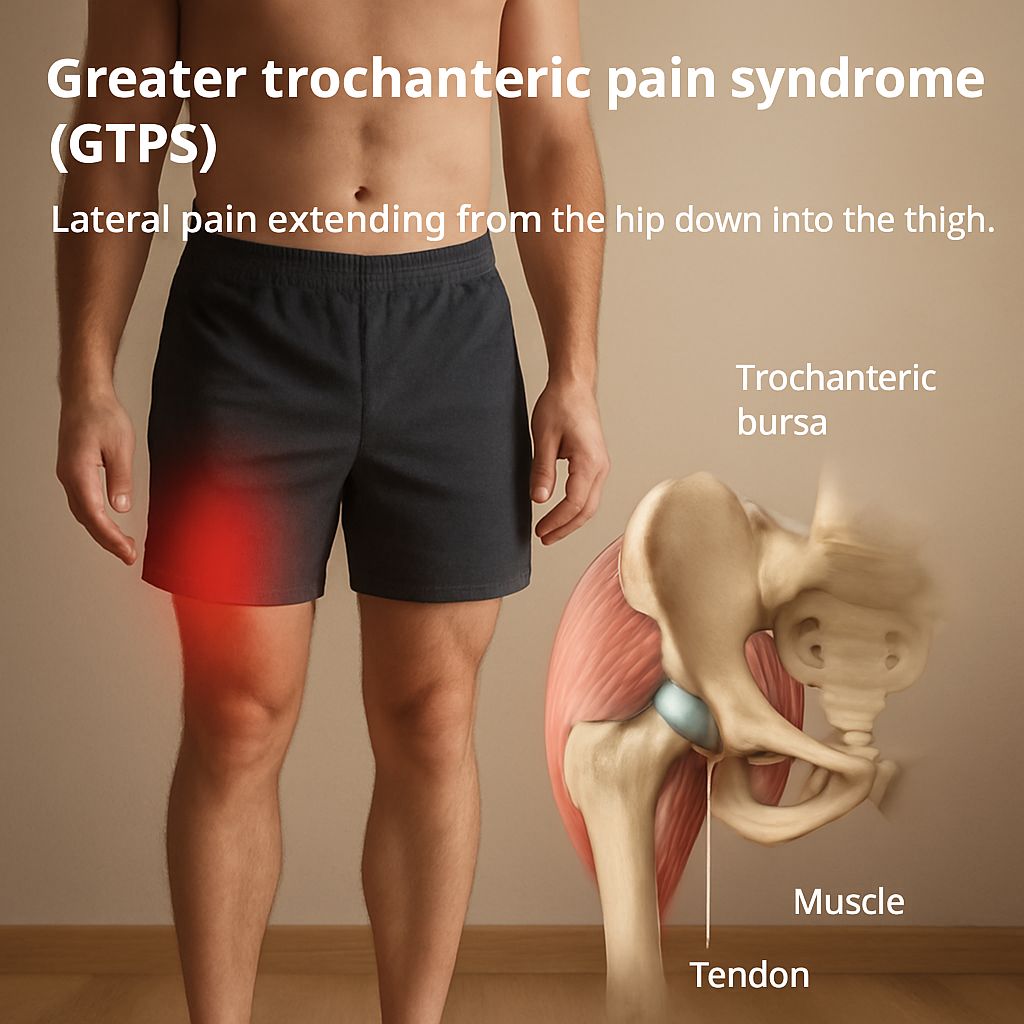
Hip pain when sleeping is one of the most position-dependent pain problems in musculoskeletal medicine — meaning the structure causing the pain and the mechanism triggering it shift depending on how someone sleeps. When people say my hips hurt when I sleep, they are describing a wide range of experiences that includes bursitis over the greater trochanter, hip flexor tightening during prone sleep, sacroiliac joint loading during side-sleeping, and groin pain from labral involvement. Hip pain after sleeping that improves within 15 minutes of walking around is usually mechanical; pain that takes longer than 30 minutes to settle after rising suggests an inflammatory process. Hip hurts when sleeping complaints from side-sleepers almost always involve the trochanteric bursa or gluteal tendon on the down-side hip, while hips hurt after sleeping in back-sleepers more commonly involves the sacroiliac region or hip flexor group.
The single most common and most addressable cause is sustained lateral compression of the greater trochanteric bursa during side-sleeping — a condition that responds well to positional changes and targeted stretching without medical intervention in mild to moderate cases.
The Trochanteric Bursa and Lateral Hip Loading
How Side-Sleeping Creates Pressure on the Hip
The greater trochanteric bursa cushions the IT band and gluteal tendons where they pass over the bony prominence of the femur. Side-sleeping places the full torso weight through this bursa, creating sustained compressive pressure that exceeds the tissue’s tolerance over four to six hours. Mattresses that are too firm prevent the hip from sinking to a neutral position, increasing peak bursal pressure. A medium-soft mattress topper — 3 to 4 inches of memory foam at 3 to 4 lb density — allows 3 to 5 cm of hip sinkage, which reduces peak pressure over the greater trochanter by a clinically meaningful amount.
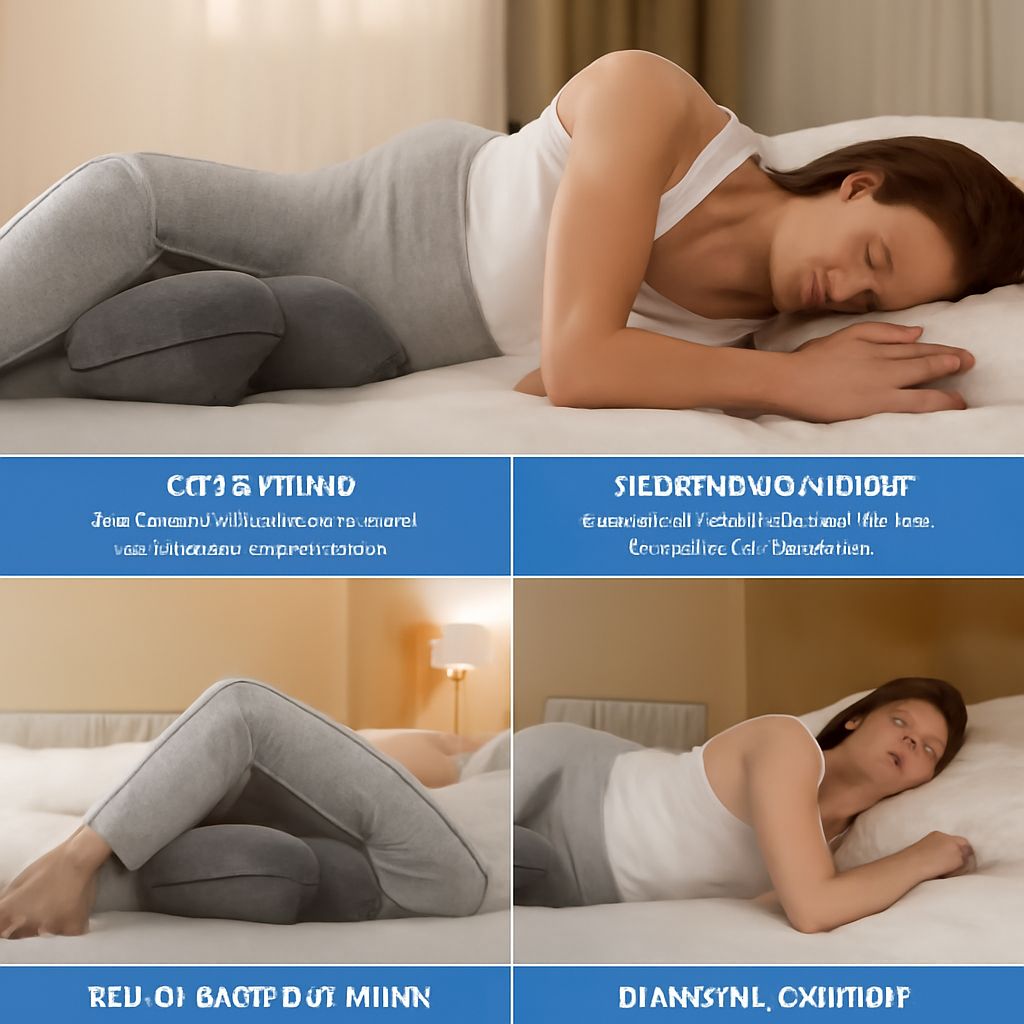
Pillow height between the knees directly affects hip loading during side-sleeping. When the top knee drops toward the mattress, the hip internally rotates, pulling the IT band taut across the trochanteric bursa and adding tensile load to the compressive pressure already present. A pillow thick enough to keep the top knee level with the top hip — roughly 10 to 15 cm for most adults — prevents this rotation and is the most consistently effective single adjustment for lateral hip pain at night.
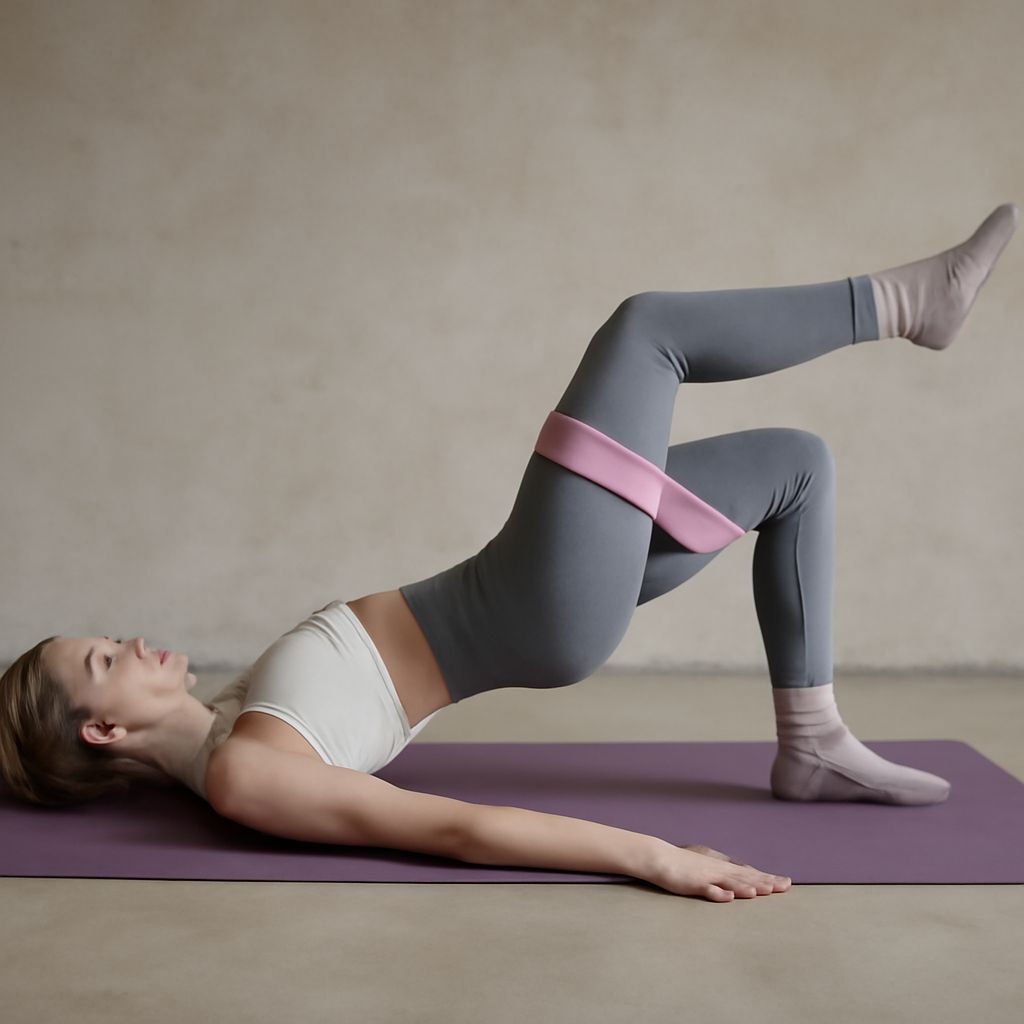
Hip abductor muscle weakness predisposes to trochanteric bursitis by placing more stress on passive structures — the bursa and IT band — to stabilize the hip during both movement and sustained lateral positioning. Clamshell exercises performed daily — lying on the side with hips and knees flexed at 90 degrees, then rotating the top knee upward 30 to 45 degrees while keeping the feet together, holding for three seconds, and returning — target the gluteus medius specifically and reduce trochanteric loading over four to eight weeks of consistent practice.
Back and Prone Sleeping: Sacroiliac and Hip Flexor Involvement
Back-sleepers who wake with bilateral hip aching in the front-of-hip or groin area often have hip flexor tightening — the iliopsoas and rectus femoris remain in a shortened position when the hips rest flat for hours. Placing a pillow under the knees to flex the hips 20 to 30 degrees reduces the resting tension of these muscles, and most back-sleepers who implement this change report measurable improvement in morning hip stiffness within three to five nights.
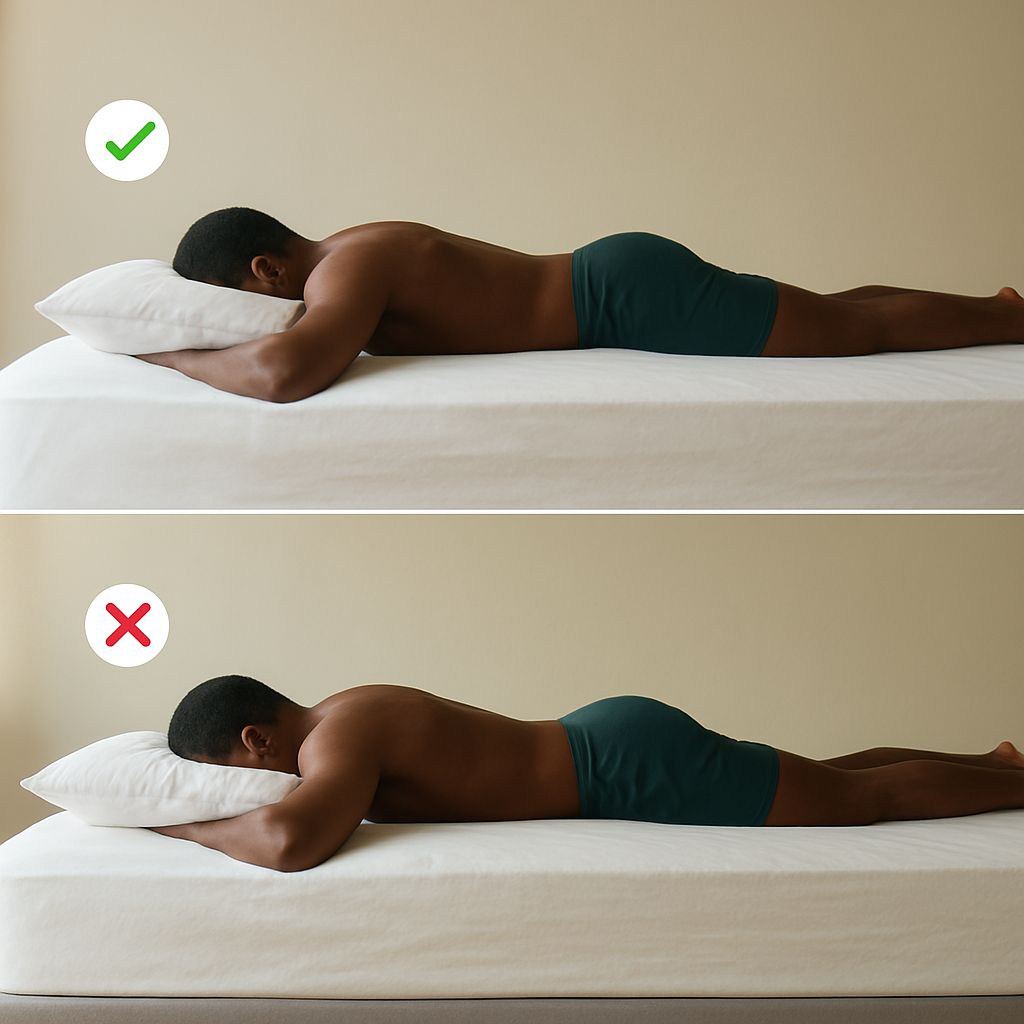
Prone sleeping — on the stomach — is the position most associated with hip flexor shortening and sacroiliac irritation. The hip remains in extension with the pelvis rotated into anterior tilt throughout the night, compressing the facet joints at L4–L5 and loading the anterior hip capsule. Transitioning away from prone sleeping takes three to six weeks; placing a body pillow alongside the torso reduces nighttime rolling to prone during lighter sleep stages.
Sacroiliac joint pain localized to one side of the lower back or buttock during side-sleeping typically indicates that the pelvis is not well-supported on the down side. A small folded towel placed under the waist gap — the area between the lower rib cage and the top of the hip — fills the lateral trunk curve and reduces the torquing load on the sacroiliac joint during side-sleeping.