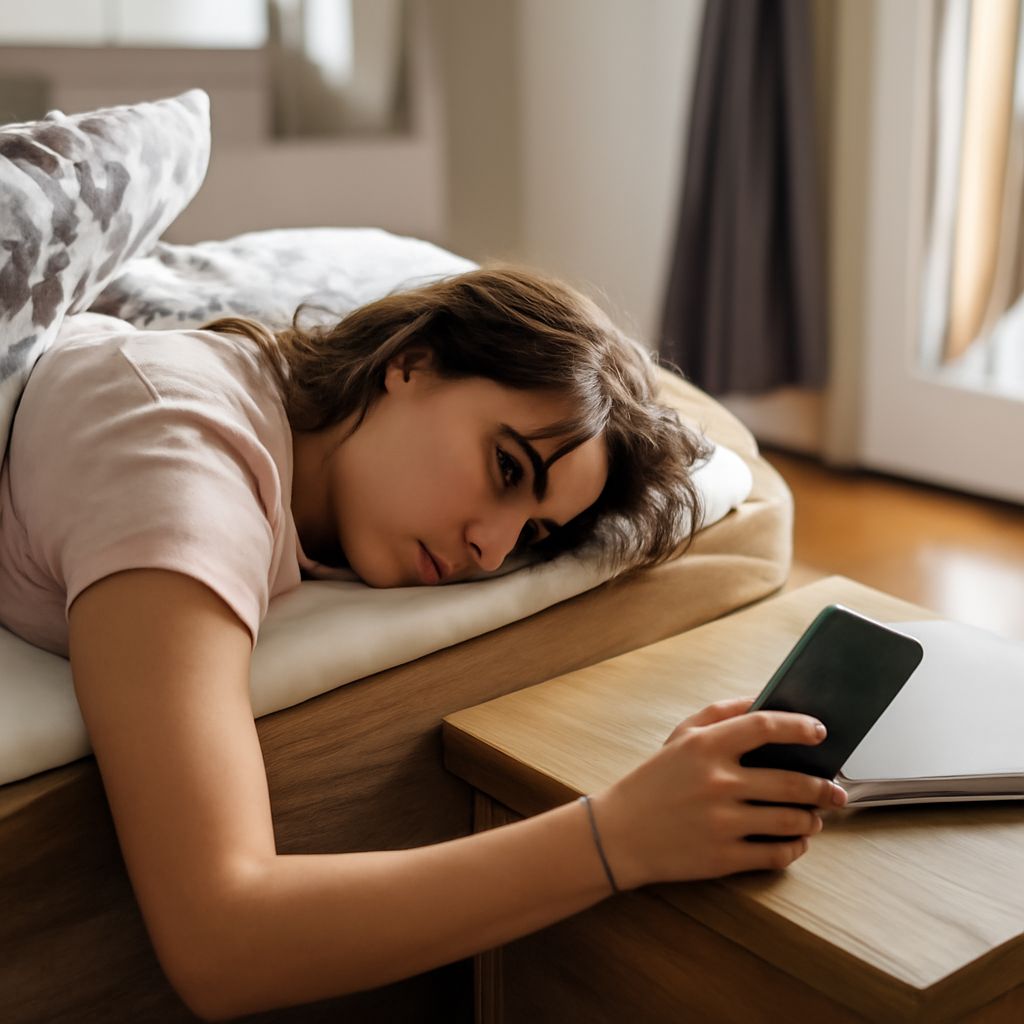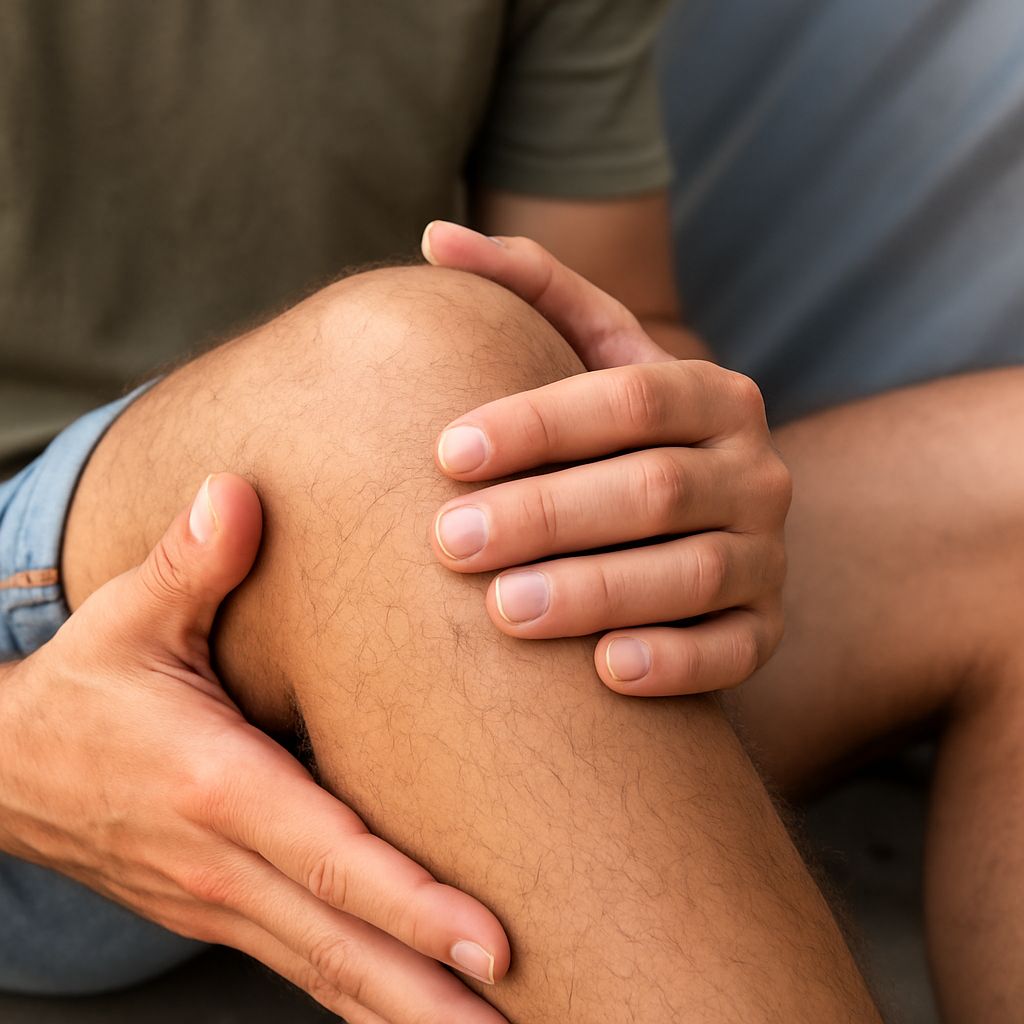
Knee pain while sleeping follows patterns that make diagnosis more straightforward than daytime knee pain: the position that triggers it, the time of night it peaks, and whether it improves or worsens with movement all point to specific structures. Knee pain after sleeping with legs bent in a flexed position — the common side-sleeping fetal curl — compresses the posterior knee structures and can trigger bursitis flares, posterior capsule tightening, or popliteal cyst irritation. Knee pain when sleeping that appears only after two to three hours suggests ischemic pain from sustained pressure on one side, while pain that starts immediately on lying down more likely reflects inflammatory arthritis or an active effusion. Knee pain after sleeping that takes more than 20 minutes to clear in the morning is a clinical sign associated with inflammatory joint disease and warrants evaluation. Knee pain at night while sleeping that radiates from the hip or lower back is referred pain, not a primary knee problem, and requires a different approach entirely.
Understanding which category applies determines whether a positional adjustment, a knee support, an anti-inflammatory protocol, or a medical referral is the appropriate first response.
Structural Causes by Sleep Position
Side-Sleeping and the Knee Stack Problem
Side-sleepers who stack their knees directly on top of each other create sustained pressure across the medial joint line — the inner knee — for the duration of sleep. In patients with medial compartment osteoarthritis or pes anserine bursitis, this pressure reproduces the same loading that causes daytime medial knee pain after prolonged sitting. A standard pillow between the knees shifts the top knee outward by 8 to 12 cm, which reduces medial pressure by a measurable margin and is consistently cited in orthopedic sleep guidance for knee OA management.
The thickness of the between-knee pillow matters. Too thin — less than 5 cm compressed — does not adequately separate the joint lines. Too thick — over 15 cm — externally rotates the hip and loads the IT band and lateral knee structures, trading one pain site for another. A wedge-shaped pillow that supports the full inner thigh rather than just the knee provides a more stable solution and keeps the hip in a neutral position throughout the night.
Inflammation, Effusion, and Rest Pain
Knee effusion — fluid accumulation within the joint — produces a distinctive fullness behind and around the kneecap that is more pronounced after periods of inactivity. The joint capsule has limited expandability; when fluid volume exceeds the available space, pressure builds during both weight-bearing and horizontal rest. Elevating the leg on a folded blanket to raise the knee 15 to 20 cm above heart level for the first 30 to 60 minutes after lying down reduces intra-articular pressure and accelerates fluid redistribution into the surrounding lymphatic vessels.
Inflammatory arthritis — including rheumatoid arthritis and reactive arthritis — produces morning gel phenomenon: profound stiffness and aching that takes 30 to 90 minutes to clear after rising. This is the clearest distinguishing feature from mechanical knee pain, which clears within 5 to 15 minutes of gentle movement. Patients reporting gel phenomenon should discuss it specifically with a rheumatologist, as the duration of morning stiffness guides disease activity scoring and treatment adjustment.
Patellar tendinopathy and IT band syndrome rarely produce rest pain in isolation — both structures are load-dependent and typically quiet during sleep. When tendinopathy patients do report nighttime knee pain, it is usually from sleeping prone with the knee in full extension and the ankle plantar-flexed, which places a sustained stretch across the patellar tendon. A small bolster under the ankle to allow slight knee flexion of 10 to 15 degrees resolves this in most cases within one to two nights.
Bottom line: Most nighttime knee pain responds to positional adjustments — a between-knee pillow for side-sleepers, leg elevation for effusion, or ankle support to reduce tendon stretch — within three to seven nights of consistent use. Pain that does not respond to positional correction, that wakes the patient from deep sleep, or that is accompanied by warmth, swelling, or fever warrants urgent medical evaluation.