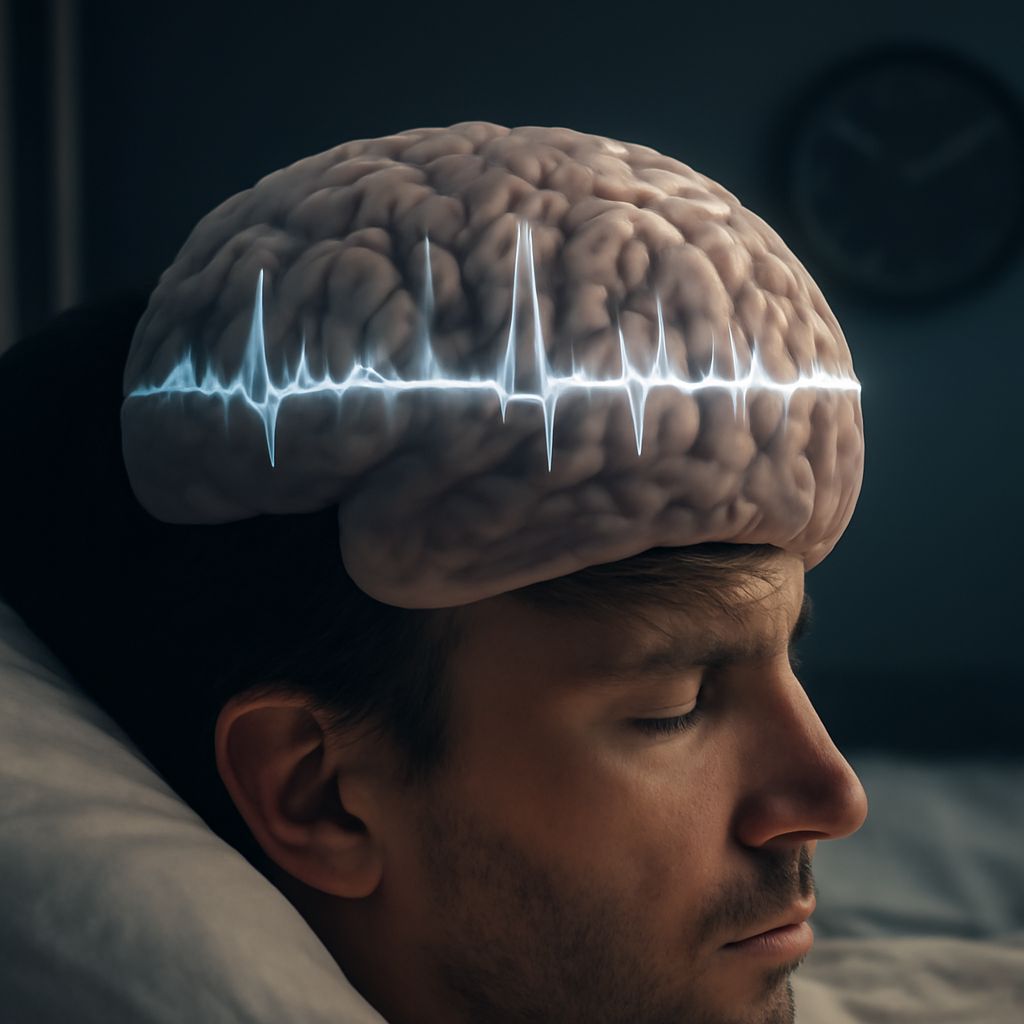
How Much Did Einstein Sleep? Unveiling His Sleep Patterns
Understanding the sleep habits of renowned individuals like Albert Einstein can offer valuable insights into the relationship between rest and cognitive prowess. By exploring how much sleep Einstein got, we can gain a deeper appreciation of the role sleep plays in the lives of those who achieve extraordinary intellectual feats.
One might wonder how Einstein managed his sleep, whether he adhered to any unusual patterns, and what impact these habits might have had on his genius. By delving into these aspects, we can uncover intriguing correlations that may inspire today’s pursuit of mental excellence.
The Fascination with Einstein’s Sleep Habits
Albert Einstein’s status as a scientific icon has sparked a keen interest in various aspects of his life, including his sleep patterns. This curiosity stems from a desire to understand how such a brilliant mind functioned on a daily basis. Did Einstein’s sleep schedule contribute to his groundbreaking theories, or was his genius independent of his rest regimen?
People are often intrigued by the routines of great minds, hoping to uncover secrets that might unlock their own potential. With Einstein’s contributions to physics and the broader scientific realm, examining his sleep habits offers a unique perspective on the interplay between rest and intellectual achievement.
How Much Did Albert Einstein Sleep?
Reports suggest that Albert Einstein slept for approximately ten hours each night. This is notably more than the average adult’s recommendation of seven to nine hours. Einstein’s preference for extended slumber might have been a personal choice, or it could have been a strategy to maintain his high level of cognitive function.
Beyond nighttime sleep, it is also said that Einstein took regular naps, adding to his overall rest time. These naps could have served as a way to rejuvenate his mind, allowing him to tackle complex problems with renewed energy and clarity.
Did Einstein Sleep Like the Rest of Us?
Einstein’s sleep habits were somewhat atypical when compared to modern standards. While most people strive to get just enough rest to feel alert, Einstein’s longer sleep duration could indicate a greater need for recovery. This might be due to the intense mental exertion he experienced during his work.
Additionally, Einstein’s routine included a daily nap, a practice not widely embraced in contemporary society. However, napping has been recognized for its cognitive benefits, suggesting that Einstein’s approach to sleep could have played a role in sustaining his mental acuity and productivity.
Understanding the Impact of Einstein’s Sleep on His Genius
The connection between Einstein’s sleep habits and his intellectual accomplishments is a subject of speculation. It is plausible that his extended sleep duration and regular napping contributed positively to his cognitive processes, supporting his ability to synthesize complex ideas and solve intricate problems.
While it is impossible to attribute Einstein’s genius solely to his sleep patterns, the relationship between adequate rest and cognitive performance is well-documented. Quality sleep is essential for memory consolidation, problem-solving, and creativity—all crucial elements in scientific inquiry and innovation.
Modern Perspectives on Sleep and Genius
Contemporary research reinforces the importance of sleep for cognitive function, aligning with the notion that rest is a critical component of high-level intellectual activity. Studies have shown that sleep enhances memory retention, emotional regulation, and the overall ability to learn and process information.
As scientists continue to unravel the mysteries of the brain, the link between adequate sleep and mental prowess becomes increasingly evident. While not everyone may require as much sleep as Einstein reportedly did, ensuring sufficient rest is a fundamental aspect of nurturing one’s intellectual potential.
The examination of Einstein’s sleep habits serves as a reminder of the intricate balance between rest and cognitive performance. For those aspiring to reach their own peaks of mental achievement, prioritizing sleep could be a key factor in unlocking their full potential.