Can Sleep Apnea Cause Seizures? Understanding the Connection
Sleep apnea is more than just snoring; it disrupts sleep patterns and can significantly affect overall health. Understanding the connection between sleep apnea seizures is vital for those seeking to improve their sleep health. Can lack of sleep cause seizures? By exploring the relationship between sleep disorders and neurological health, individuals can take proactive steps to manage their conditions.
In this article, we delve into how conditions like sleep deprivation can impact your health. Learn about the intricate links between sleep apnea and seizures, and discover practical management strategies.
Understanding Sleep Apnea and Its Impact on the Brain
What is Sleep Apnea?
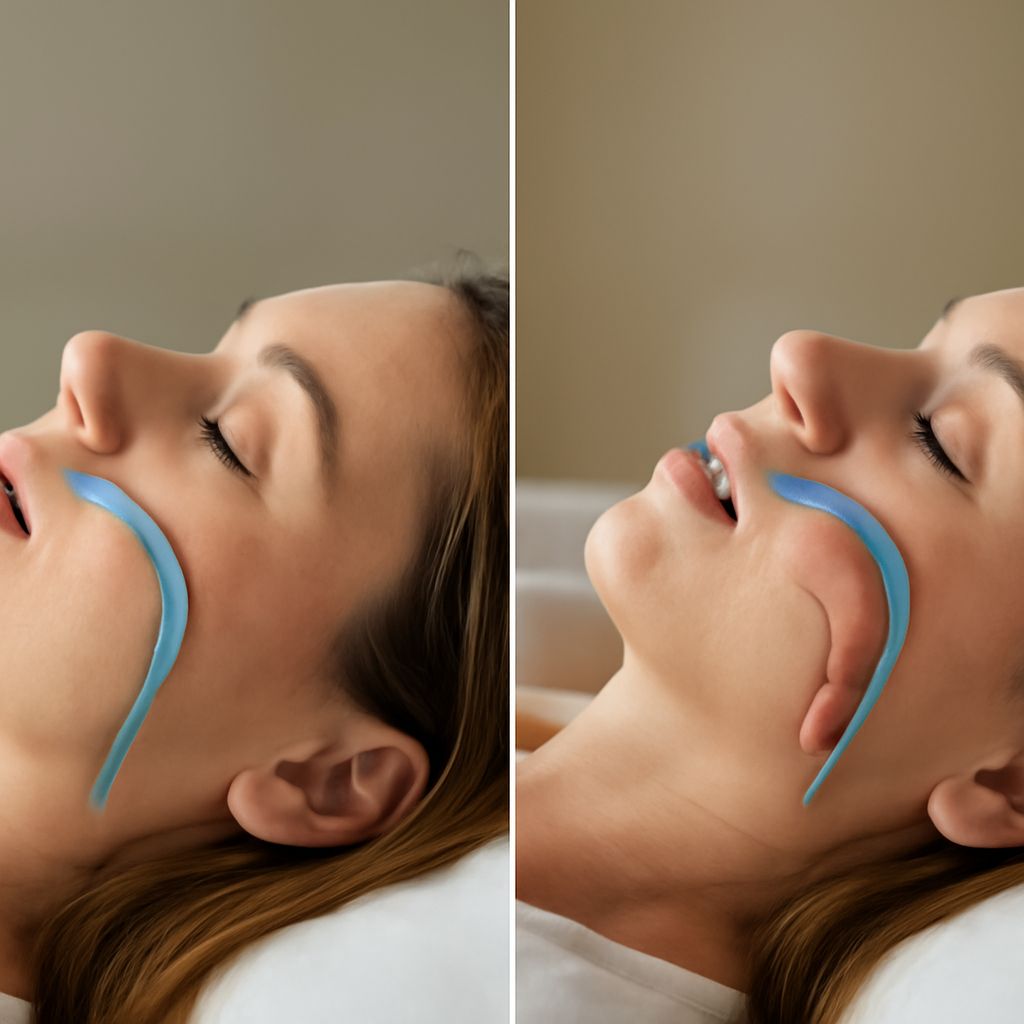
Sleep apnea is a disorder characterized by repeated interruptions in breathing during sleep. These interruptions, known as apneas, can occur dozens or even hundreds of times in a night, leading to fragmented and poor-quality sleep. Obstructive sleep apnea is the most common form, where the throat muscles relax excessively, causing airway blockage.
Central sleep apnea, another form, involves the brain failing to send proper signals to the muscles that control breathing. Both forms result in disrupted sleep patterns, leaving individuals exhausted and potentially affecting brain function over time.
How Sleep Apnea Affects Brain Function
The brain is highly sensitive to oxygen levels, and the repeated apneas experienced in sleep apnea cause significant drops in blood oxygen. This reduction can lead to cognitive impairments such as memory loss and concentration difficulties. Over time, the chronic oxygen deprivation associated with sleep apnea can lead to more serious neurological issues, including an increased risk of seizures.
Can Sleep Apnea Cause Seizures?
Exploring the Connection Between Sleep Apnea and Seizures
While not every person with sleep apnea will experience seizures, studies suggest a link between the two conditions. The repeated oxygen deprivation caused by apneas may create an environment conducive to seizures, especially in individuals with pre-existing seizure disorders. The stressful impact on the cardiovascular system and the potential for increased intracranial pressure may also contribute to seizure risk.
Research indicates that treating sleep apnea can reduce the frequency of seizures in patients with epilepsy. Thus, understanding and addressing sleep apnea is crucial for managing seizure disorders effectively.
The Role of Sleep Deprivation in Seizures
Can Lack of Sleep Cause Seizures?
Lack of sleep is a well-known trigger for seizures, particularly in individuals with epilepsy. The brain requires adequate rest to maintain its complex functions, and sleep deprivation can exacerbate neurological issues. When sleep is consistently interrupted, as seen in sleep apnea, the resulting deprivation can heighten the risk of seizures.
Managing Sleep Deprivation
Managing sleep deprivation involves establishing good sleep hygiene practices. These include maintaining a regular sleep schedule, creating a restful environment, and avoiding stimulants like caffeine before bed. For those with sleep apnea, using a Continuous Positive Airway Pressure (CPAP) machine can alleviate symptoms and improve sleep quality, potentially reducing seizure risk.
In addition to these strategies, working closely with a healthcare provider to monitor and treat underlying sleep disorders is essential for minimizing the impact of sleep deprivation on seizures.
Pro Tips Recap
Understanding the link between sleep apnea and seizures can lead to better health outcomes. Identifying and treating sleep apnea may reduce seizure frequency, particularly in individuals with epilepsy. Good sleep hygiene and medical interventions like CPAP therapy are effective strategies for managing sleep deprivation. For those experiencing sleep-related health issues, proactive management and consultation with healthcare professionals can make a significant difference.