Alcohol and Sleep Apnea: Understanding the Connection
Alcohol consumption is a common lifestyle choice for many, offering a moment of relaxation after a long day. However, its effects may extend beyond a temporary state of leisure, especially for those with sleep apnea. Understanding this connection can illuminate how alcohol impacts sleep apnea, potentially exacerbating the condition and influencing overall health, including mental well-being.
Sleep apnea and depression are often linked, with sleep apnea affecting mental health in complex ways. By uncovering how alcohol affects sleep apnea, individuals can make informed decisions, facilitating improved sleep and mental health outcomes.
How Alcohol Impacts Sleep Apnea
The Science Behind Alcohol’s Effect on Breathing
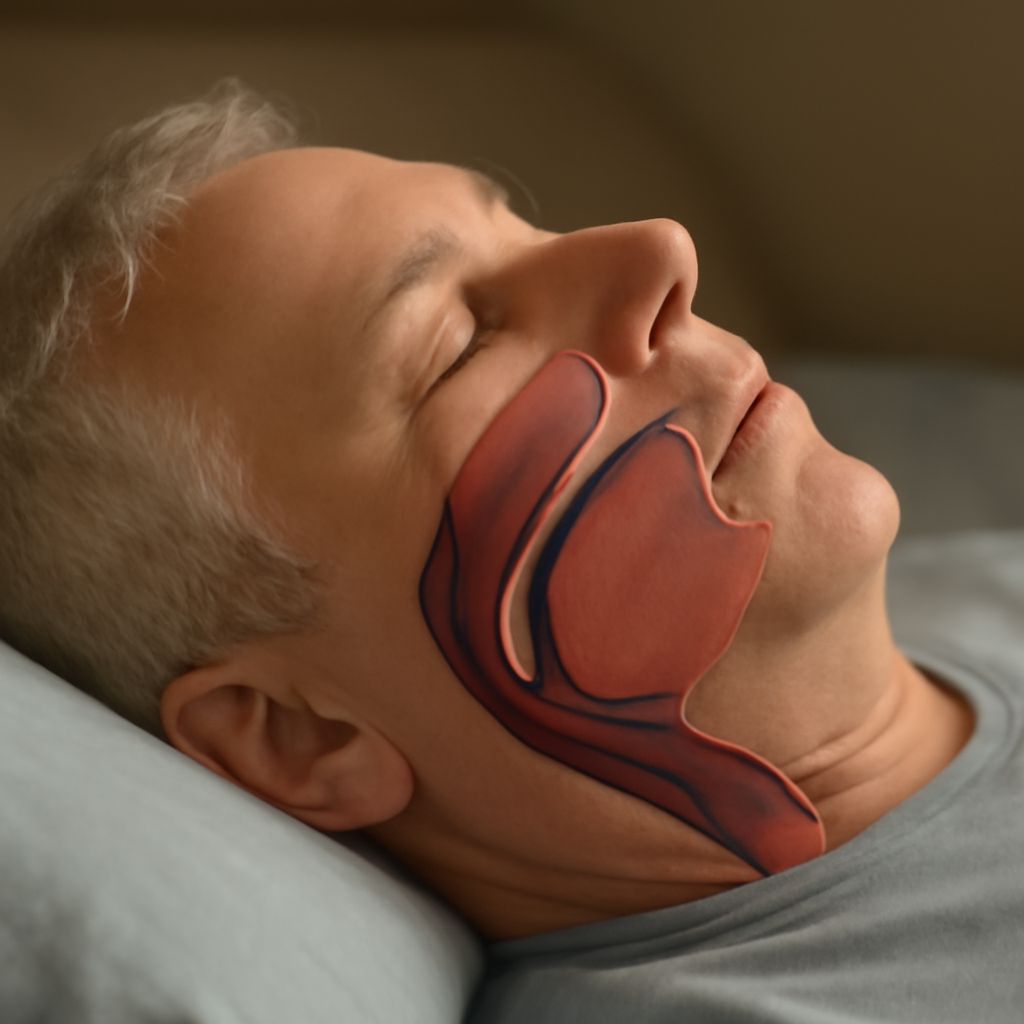
Alcohol’s sedative properties can relax the muscles of the throat, a phenomenon that can significantly worsen the symptoms of sleep apnea. When the throat muscles relax excessively, the airway becomes obstructed, leading to interrupted breathing during sleep. This obstruction can increase the frequency and severity of sleep apnea episodes, making restful sleep elusive.
Research indicates that alcohol consumption before bed can increase the number of apnea events, lowering overall oxygen saturation levels. This drop in oxygen can strain the cardiovascular system, posing additional health risks for individuals already struggling with sleep apnea.
Alcohol and Sleep Quality
While alcohol may initially help in falling asleep faster, it disrupts the critical stages of sleep. By altering the sleep cycle, alcohol compromises the quality of sleep, often reducing the time spent in REM sleep, which is crucial for restorative sleep and mental health. This disruption can lead to more fragmented sleep and frequent awakenings throughout the night.
Such interruptions affect the overall sleep architecture, leading to daytime fatigue and impaired cognitive function. For those with sleep apnea, this means that their already compromised sleep quality is further deteriorated, affecting daily functioning and possibly exacerbating feelings of depression.
The Relationship Between Sleep Apnea and Depression
Psychological Effects of Sleep Apnea
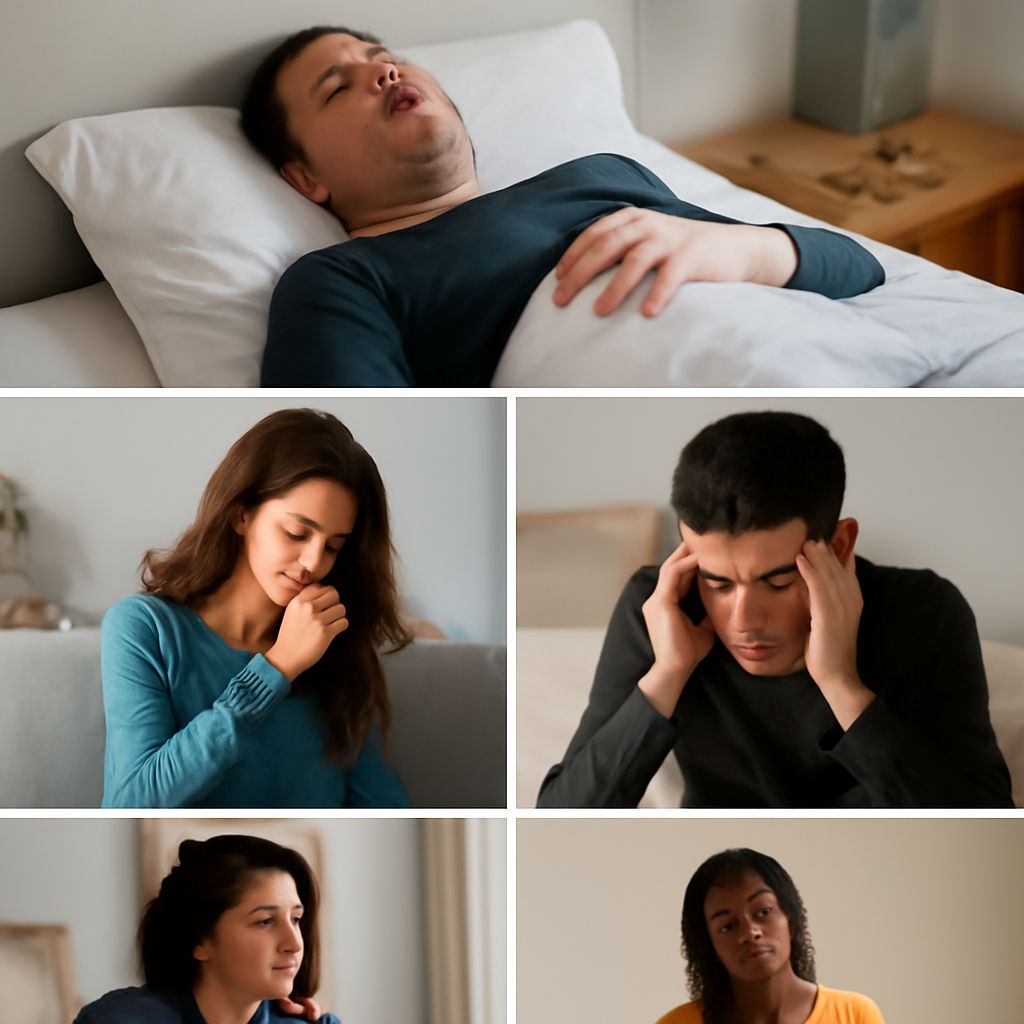
Sleep apnea is not merely a physical health issue; it has profound psychological implications. The chronic sleep deprivation and fragmented sleep experienced by those with sleep apnea can lead to cognitive challenges and mood disorders, including depression. The persistent fatigue and irritability can interfere with daily life, leading to feelings of hopelessness and helplessness.
Studies suggest that individuals with untreated sleep apnea are at a higher risk of developing depression. The overlap between sleep apnea and depression is a critical area of concern, as both conditions can exacerbate each other if not properly managed.
Managing Sleep Apnea for Better Mental Health
Addressing sleep apnea can have positive effects on mental health. Effective management strategies, such as using a CPAP machine, can improve sleep quality and subsequently alleviate some symptoms of depression. Regular use of CPAP therapy has been shown to enhance mood, reduce daytime sleepiness, and improve overall quality of life.
Additionally, lifestyle modifications, including moderating alcohol intake and maintaining a consistent sleep schedule, can support both sleep quality and mental health. Implementing these changes can create a more conducive environment for restful sleep and mental well-being.
Strategies for Managing Sleep Apnea with Alcohol Use
For individuals who choose to consume alcohol, strategic management can minimize its impact on sleep apnea. Limiting alcohol intake, particularly in the hours leading up to bedtime, can reduce its sedative effects on the throat muscles. Avoiding alcohol close to sleep time helps maintain muscle tone in the airway, reducing apnea events.
Incorporating healthy sleep hygiene practices, such as establishing a regular bedtime routine and creating a conducive sleep environment, can enhance sleep quality even if alcohol is consumed. Monitoring alcohol’s effects on sleep apnea symptoms can also provide valuable insights, helping individuals to adjust their consumption accordingly.
Consulting with healthcare providers can offer personalized advice and support. Medical professionals can help in crafting a tailored plan that considers both alcohol use and sleep apnea, ensuring that treatment approaches are both effective and sustainable.
Bottom line: Understanding how alcohol impacts sleep apnea and its connection to depression is crucial for managing these intertwined health issues. By moderating alcohol use and employing effective sleep apnea treatments, individuals can enhance their sleep quality and overall mental health, paving the way for improved well-being.