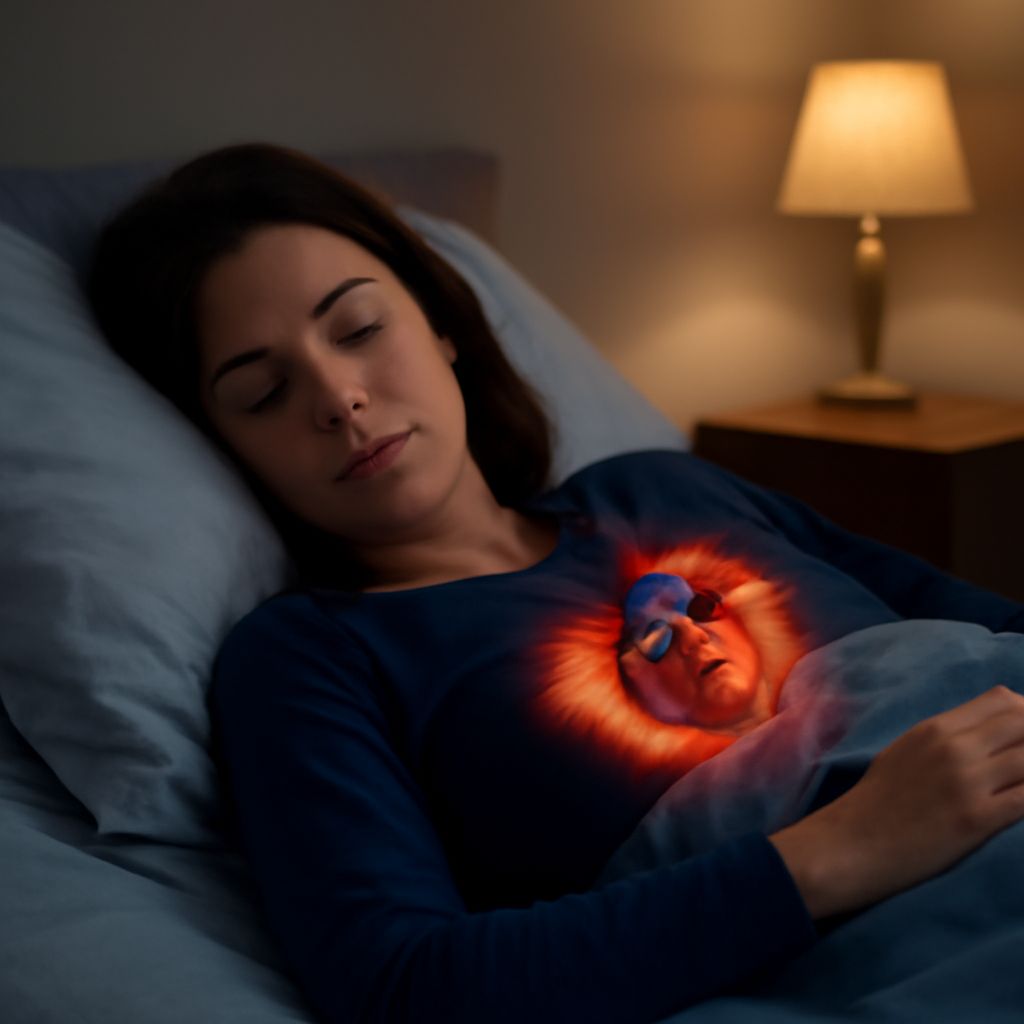
Why Do People Die in Their Sleep: Causes, Risk Factors, and Prevention
Why do people die in their sleep is a question driven by both curiosity and genuine concern about overnight health. Death during sleep is not rare: roughly 20% of all deaths in the United States occur during overnight hours, and many of these involve conditions that become lethal specifically because of the physiological changes that occur during sleep. Understanding dying in sleep — what drives it, who is most at risk, and what can be done — provides actionable information rather than anxiety.
Cases where someone has died in sleep often trace back to one of a small number of well-characterized medical events. The circumstances that define a death in sleep — reduced arousal capacity, suppressed sympathetic tone in some phases, altered respiratory patterns — create windows of vulnerability for specific conditions. Death sleep, in clinical terms, is not a single mechanism but a category of events whose common thread is that sleep either triggers or fails to interrupt the fatal process.
The Most Common Medical Causes of Death During Sleep
Cardiovascular disease is the leading cause of death during sleep. The transition from non-REM to REM sleep, and the early morning period around 4–8 AM, are associated with surges in sympathetic nervous system activity that raise heart rate, blood pressure, and coronary artery tone. These physiological shifts can precipitate plaque rupture in people with atherosclerotic coronary artery disease, triggering myocardial infarction. The morning clustering of heart attacks and sudden cardiac death — documented in studies showing a 40–70% higher incidence between 6 AM and noon — partly reflects these sleep-related cardiovascular dynamics.
Obstructive sleep apnea (OSA) is both an independent risk factor and a direct mechanism of dying in sleep. During severe apneic episodes, blood oxygen saturation can drop below 70%, placing extreme stress on the cardiovascular system. OSA is associated with a two- to threefold increased risk of sudden cardiac death during sleeping hours compared to non-OSA individuals. People who have died in sleep with undiagnosed severe OSA often show evidence of cardiac hypertrophy, arrhythmia, and oxidative stress injury on autopsy.
Cardiac arrhythmias — abnormal heart rhythms — are another major category. Ventricular fibrillation, in which the heart quivers instead of beating effectively, causes loss of circulation within seconds and is fatal without immediate defibrillation. During sleep, autonomic tone shifts lower arousal thresholds for arrhythmia in susceptible individuals. Long QT syndrome, Brugada syndrome, and hypertrophic cardiomyopathy are specific inherited conditions that create arrhythmia vulnerability — and these conditions are often not diagnosed until a death in sleep prompts genetic testing of surviving relatives.
Cardiac Events and the Nighttime Risk Window
The early morning hours represent the highest-risk window for cardiac death during sleep. Cortisol begins rising around 3–4 AM as the body prepares for waking, increasing vascular tone and platelet aggregability. Combined with the REM-phase sympathetic surge, this creates conditions that can destabilize vulnerable plaques or trigger arrhythmias in susceptible hearts. Beta-blocker timing — taking these medications in the evening rather than morning — has been studied specifically to counteract this nighttime cardiac vulnerability window.
Pulmonary embolism is a less common but important cause of death during sleep. Blood clots that form in the deep veins of the legs during prolonged immobility can dislodge and travel to the lungs during sleep, obstructing blood flow. Immobility during sleep, particularly in people with obesity, heart failure, or recent surgery, increases clot formation risk. The first hours of overnight sleep after a long period of daytime inactivity represent the highest-risk interval.
Risk Factors and Prevention Strategies
The risk profile for death during sleep includes several modifiable and non-modifiable factors. Non-modifiable risks include age — death during sleep rates increase substantially after 65 — male sex, and family history of sudden cardiac death. Modifiable risks include untreated OSA, hypertension, coronary artery disease, obesity, smoking, and heavy alcohol use before sleep.
Sleep apnea screening and treatment is the most impactful intervention available. CPAP therapy reduces sudden cardiac death risk in people with severe OSA by approximately 50% in observational studies, by preventing the nocturnal hypoxia and sympathetic surges that stress the cardiovascular system. A home sleep test or attended polysomnography is accessible through most primary care providers and takes a single night to complete.
Blood pressure management matters particularly for overnight readings. Nocturnal hypertension — blood pressure that fails to dip normally during sleep, a pattern called non-dipping — is a stronger predictor of cardiovascular events than daytime hypertension. A 24-hour ambulatory blood pressure monitor captures overnight readings and helps clinicians identify non-dipping patterns that standard office measurements miss entirely.
Alcohol restriction in the evening reduces arrhythmia risk. Alcohol consumed within three hours of sleep increases cardiac ectopic activity during the first REM period — a phenomenon documented as “holiday heart” syndrome but occurring regularly with routine heavy drinking. Limiting alcohol to one to two drinks and finishing consumption at least three hours before bed measurably reduces overnight arrhythmia burden.
For people with known cardiac conditions, implantable cardioverter-defibrillators (ICDs) provide a direct safety net against ventricular arrhythmia during sleep. These devices detect and terminate life-threatening rhythms within seconds, with documented mortality reduction of 20–30% in high-risk populations over five-year follow-up periods.