Headache Nausea Fatigue: Causes, CPAP Connections, and Relief
Headache nausea fatigue occurring together is rarely coincidental. This triad of symptoms often shares a common upstream cause — whether that is disrupted sleep, a medication side effect, a metabolic imbalance, or a breathing disorder that reduces overnight oxygen delivery. Nausea headache fatigue combinations are frequently seen in emergency and primary care settings but are also a routine complaint among people managing chronic conditions at home.
CPAP headache is one specific and underappreciated contributor to the symptom triad. People who rely on continuous positive airway pressure therapy for sleep apnea sometimes develop morning headaches that overlap with headaches and fatigue — and the mechanism is not always obvious. Identifying whether headaches nausea fatigue stem from the treatment itself, the underlying disorder, or an entirely separate cause is the first step toward effective relief.
Common Medical Causes of the Headache-Nausea-Fatigue Triad
Uncontrolled sleep apnea is one of the most consistent drivers of the headache, nausea, and fatigue combination. During apneic episodes, blood oxygen can drop to 85–90% saturation, causing cerebral vasodilation that produces a characteristic dull, bilateral morning headache. The disrupted sleep architecture that results — with reduced slow-wave and REM stages — produces the fatigue component. Nausea may follow as a secondary effect of hypoxia or of acid reflux, which co-occurs with sleep apnea at high rates.
Migraine disorder, affecting roughly 15% of the population, frequently presents as a triad. Prodrome and postdrome phases can both feature fatigue lasting 12–48 hours, while nausea is a core diagnostic criterion for migraine with aura. People who experience headache nausea fatigue together on a recurring basis and have a family history of migraines warrant evaluation by a neurologist.
Dehydration is a simpler but commonly missed cause. Even mild dehydration of 1–2% body weight can cause headaches through cerebral volume reduction, impair cognitive performance (contributing to perceived fatigue), and trigger nausea. This is particularly common in the mornings, when six to eight hours pass without fluid intake.
Viral illness, including COVID-19 and influenza, reliably produces the triad during both acute infection and recovery phases. Post-viral fatigue syndromes can sustain headaches and nausea for weeks to months after infection clears, with the fatigue component sometimes lasting considerably longer.
How CPAP Therapy Can Cause Headaches
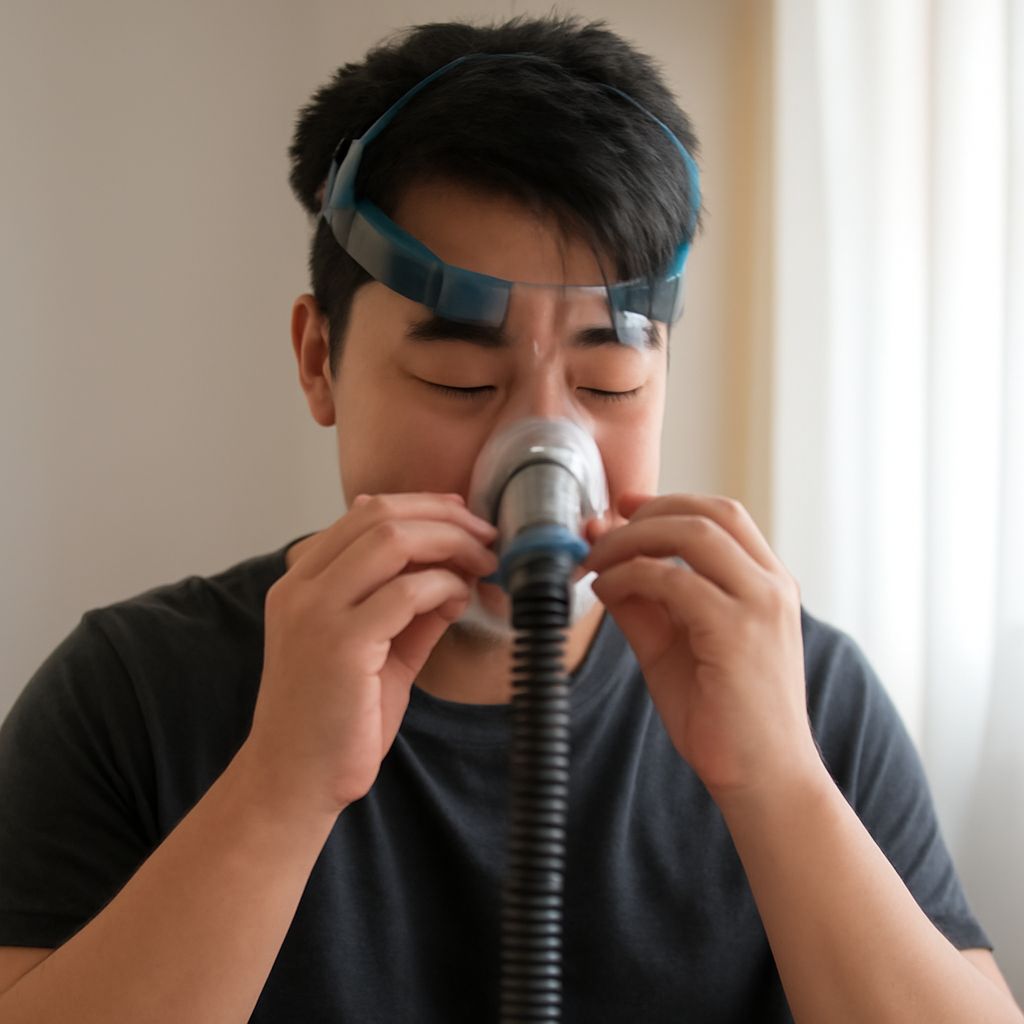
CPAP headache develops through several mechanisms. If prescribed pressure is set too high, the forced air can cause aerophagia — air swallowing — leading to bloating, discomfort, and nausea that disrupts sleep. Pressure that is inadequate, conversely, fails to prevent apneas, perpetuating the hypoxia-driven morning headache.
Mask fit problems contribute to CPAP headache by allowing air leaks that dry the nasal passages and sinuses. Sinus pressure builds through the night, presenting as a tension-type headache by morning. Heated humidification at 60–65% relative humidity and a well-sealed mask fitting substantially reduces this pattern. Anyone who starts CPAP and finds that headache nausea fatigue symptoms appear or worsen — rather than improve — should contact their sleep medicine provider within two weeks rather than waiting for a scheduled follow-up.
Relief Strategies for Headaches, Nausea, and Fatigue
Addressing the root cause is always preferable to symptom management. For sleep apnea-driven headaches and fatigue, an attended or home sleep study establishes whether apnea is present, and CPAP pressure titration ensures the device is set correctly. Auto-adjusting CPAP (APAP) devices that adapt pressure breath-by-breath reduce both over- and under-treatment, which directly reduces headache burden.
Hydration protocols — 500 mL of water within 30 minutes of waking — address dehydration-related morning symptoms. Electrolyte solutions containing sodium, potassium, and magnesium are more effective than plain water for people who sleep in warm environments or wake with significant dry mouth from CPAP use.
For migraine-related headaches nausea fatigue, preventive medications such as topiramate, amitriptyline, or CGRP monoclonal antibodies reduce attack frequency when taken consistently. Acute treatment with triptans is most effective when taken at the first sign of a headache, before the nausea intensifies. Keeping a symptom diary for two to four weeks helps both the patient and clinician identify patterns and triggers.
Sleep hygiene improvements support all causes. Consistent wake times — within 30 minutes seven days a week — regulate circadian rhythms, reduce sleep inertia, and lower the frequency of fatigue and headache episodes across nearly every underlying condition. Caffeine intake should be cut off by early afternoon, as caffeine withdrawal overnight is a frequently overlooked cause of morning headaches.
Pro tips recap: Track the timing and combination of headache nausea fatigue symptoms for two to four weeks before a medical appointment. Check CPAP data nightly for AHI above 5 and leak rates above 24 L/min. Drink 500 mL of water on waking and maintain a consistent sleep-wake schedule to reduce symptom frequency across nearly all causes.