CPAP Replacement Parts Guide: Masks, Hoses, and EMS CPAP Essentials
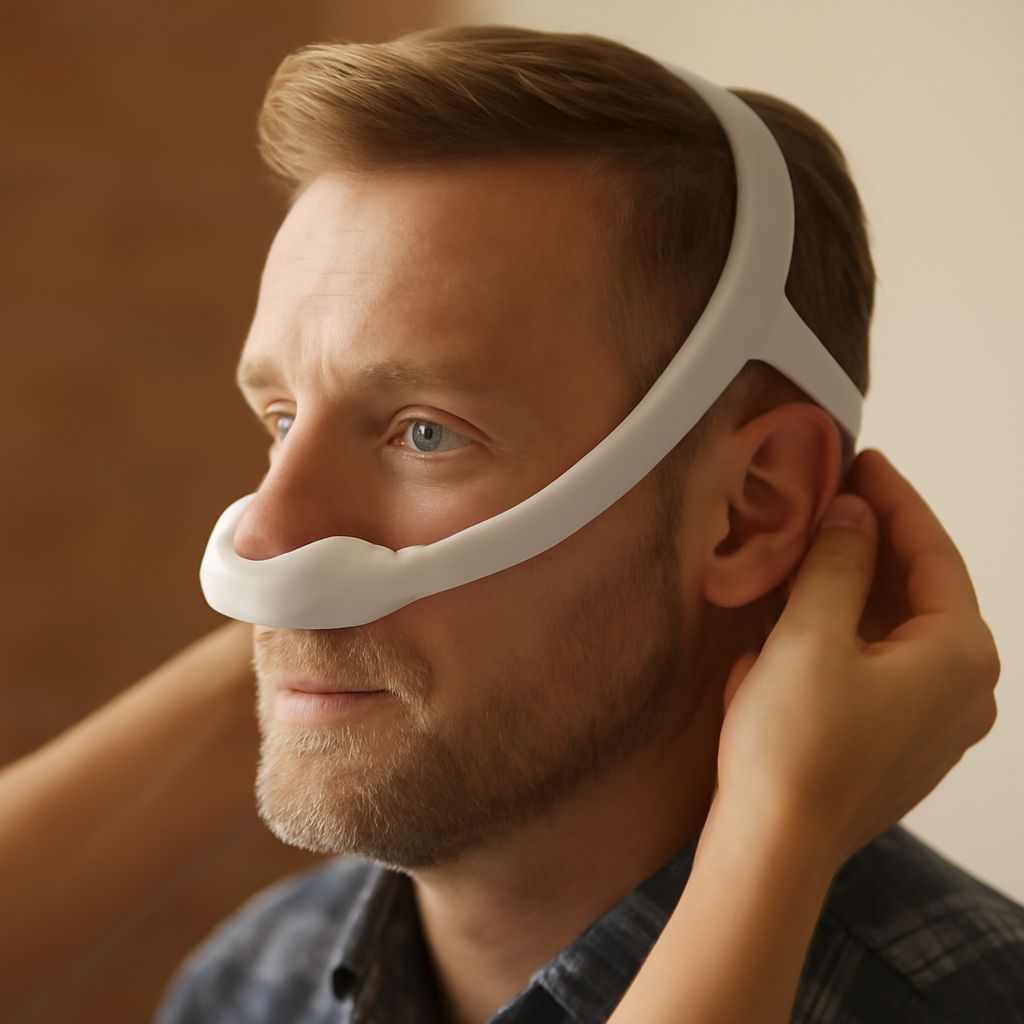
CPAP replacement parts are the foundation of effective therapy — worn cushions, cracked hoses, and stretched headgear all compromise the seal that makes treatment work. Staying current with a scheduled replacement calendar is as important as the nightly routine itself. Whether sourcing through a home medical equipment supplier, a sleep clinic, or exploring ems cpap options for emergency settings, understanding what each component does and when to swap it out keeps therapy consistent and hygienic.
For travelers and first responders, the terms cpap ems and ems cpap refer to compact, durable CPAP devices certified for pre-hospital and field use — devices that operate on a range of power sources and tolerate rough transport. Civilians benefit from knowing about cpap mask replacement schedules, since a mask that fit perfectly three months ago may now leak due to silicone degradation. Exploring disposable cpap options — single-use masks and filters — can also simplify travel and post-procedure care.
What CPAP Replacement Parts Need Regular Swapping
Most manufacturers and insurance guidelines follow a standard replacement timeline. Deviating from this schedule — typically by waiting too long — allows bacteria, mineral deposits, and silicone breakdown to compromise the fit and hygiene of the device.
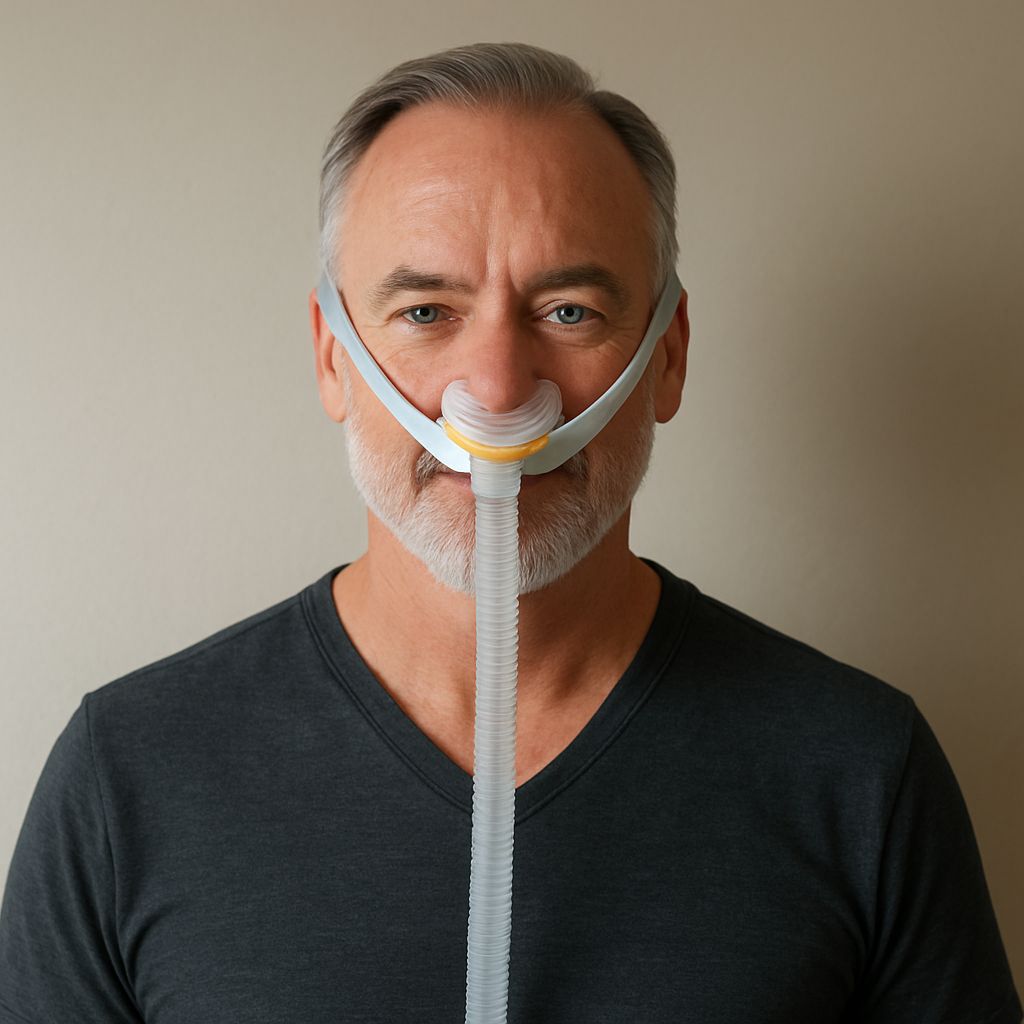
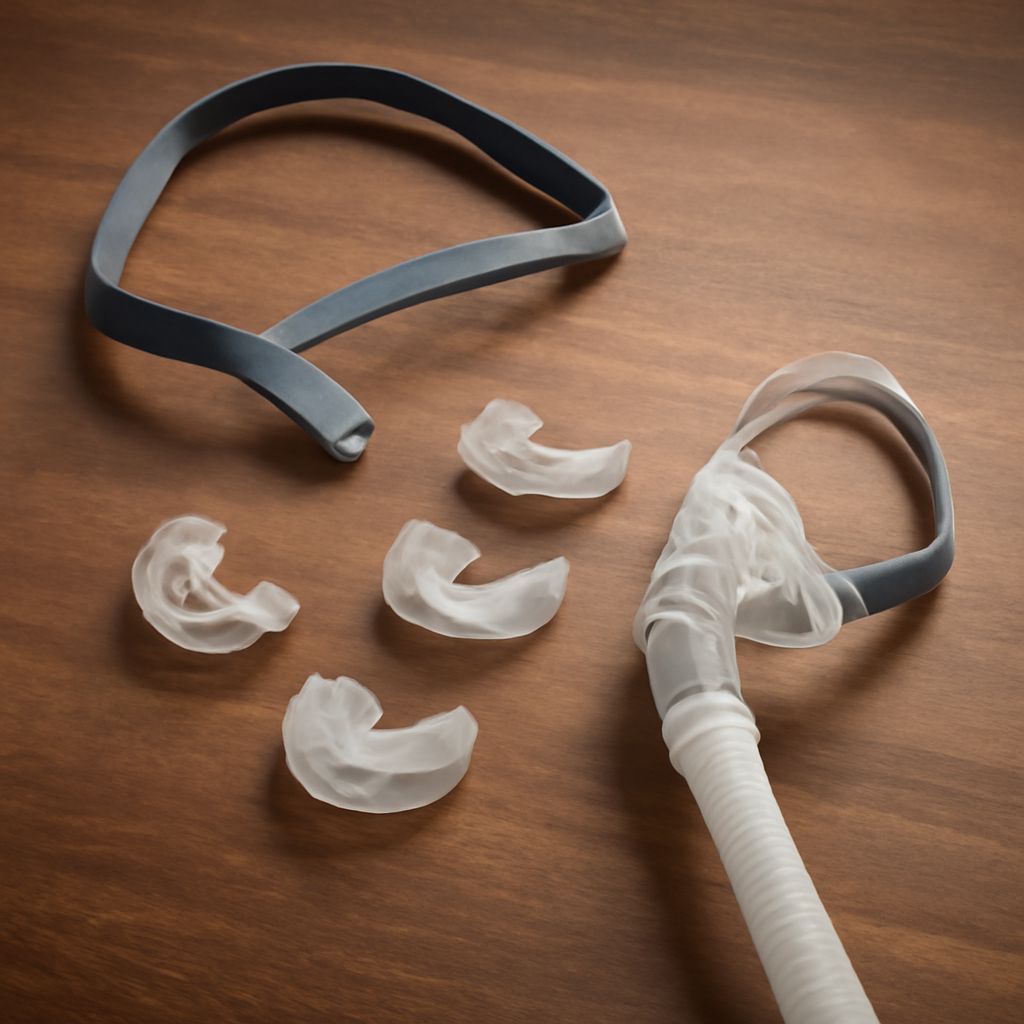
- Cushions/pillows: Replace every 2 weeks. The silicone degrades from skin oils and cleaning agents, causing micro-tears that create air leaks.
- Mask frame: Replace every 1–3 months depending on cushion type and cleaning frequency.
- Headgear and chin straps: Replace every 6 months. Elasticity loss causes the mask to shift during sleep, creating gaps.
- CPAP tubing/hose: Replace every 3 months. Examine for cracks, kinks, and discoloration monthly.
- Disposable filters: Replace every 2 weeks or when visibly gray. Reusable filters: rinse weekly, replace every 6 months.
- Humidifier water chamber: Replace every 6 months to prevent mineral scaling and bacterial colonization.
A cpap mask replacement that is performed on schedule prevents the silent compliance problem: users who believe they are receiving therapeutic pressure but are actually losing 20–30% of delivered airflow through a degraded seal.
EMS CPAP and Field Applications
The ems cpap category covers devices designed for acute respiratory distress in pre-hospital environments. These units — such as the CPAP used by paramedics for flash pulmonary edema or COPD exacerbations — differ from home CPAP in several ways: they typically run on oxygen-driven or battery-powered pressure systems, use disposable masks with quick-fit designs, and require no humidification for short-term use.
Home users occasionally encounter the cpap ems designation when researching backup power options. Field-grade CPAP units can run on vehicle power or high-capacity lithium battery packs, making them useful during power outages or camping trips. The key difference from consumer devices is pressure precision — ems devices often deliver fixed pressure rather than auto-titrating — so they are not a direct substitute for a prescribed home therapy device.
Disposable CPAP Options for Travel and Hygiene
Disposable cpap solutions have expanded significantly in recent years. Single-use travel masks eliminate the need to pack cleaning supplies and dry storage cases. They are particularly useful for hospital stays, post-surgical recovery, or any situation where a multi-night stay without dehumidification equipment is anticipated.
When evaluating disposable cpap products, check compatibility with the existing CPAP machine connection (22 mm standard vs. proprietary connectors), verify that the product is FDA-cleared for the intended pressure range, and confirm that the single-use designation meets the infection-control standards of the setting.
Next steps: Audit current cpap replacement parts against the manufacturer timeline, order upcoming replacements before running out to avoid gaps in therapy, and speak with a DME supplier about ems cpap options if reliable portable backup power is needed for travel or emergency preparedness.