Nasal CPAP Masks: Types, Fit, and How to Choose the Right One
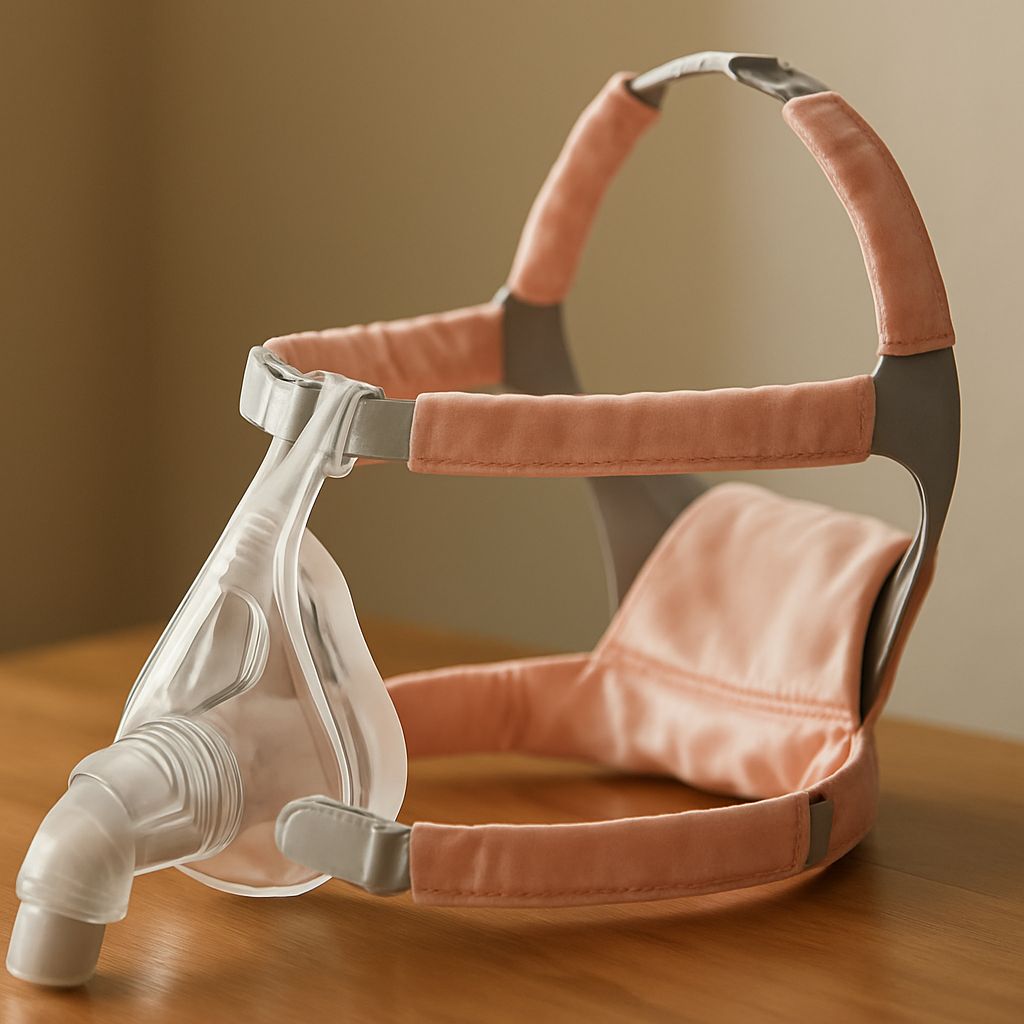
A nasal CPAP mask covers only the nose, making it the most common choice among new and experienced therapy users alike. The term CPAP nose mask is used interchangeably to describe this style, which delivers pressurized air through nasal cushions or pillows that rest against or just inside the nostrils. Finding the right mask for sleep apnea comes down to seal quality, pressure tolerance, and compatibility with the user’s breathing habits — all of which vary between the three main design categories. Browsing CPAP masks for sale without a clear understanding of those categories often leads to a purchase that creates new problems rather than solving the original therapy adherence issue. The sleep apnea machine mask you use every night affects therapy pressure delivery, comfort, and whether therapy data shows consistent usage — all factors that determine long-term health outcomes.
Mask selection is second only to pressure titration in determining whether CPAP therapy succeeds or fails. A mask that leaks at the seal during pressure peaks causes the machine to compensate with higher pressure, increasing the chance of arousals and discomfort. Getting the fit right from the first purchase saves months of troubleshooting and reduces the likelihood of abandoning therapy within the critical first 90 days.
Nasal Cushion, Nasal Pillow, and Nasal Cradle Designs
Comparing the Three Styles Side by Side
Nasal cushion masks use a soft silicone dome that seals over the nose from the bridge to the upper lip. The contact area is larger than pillow designs, which distributes pressure across more skin and reduces soreness during longer wear. This style accommodates most face shapes, though users with a narrow nasal bridge or high nose arch sometimes find the cushion sits off-angle, creating a gap that allows air to escape toward the eyes.
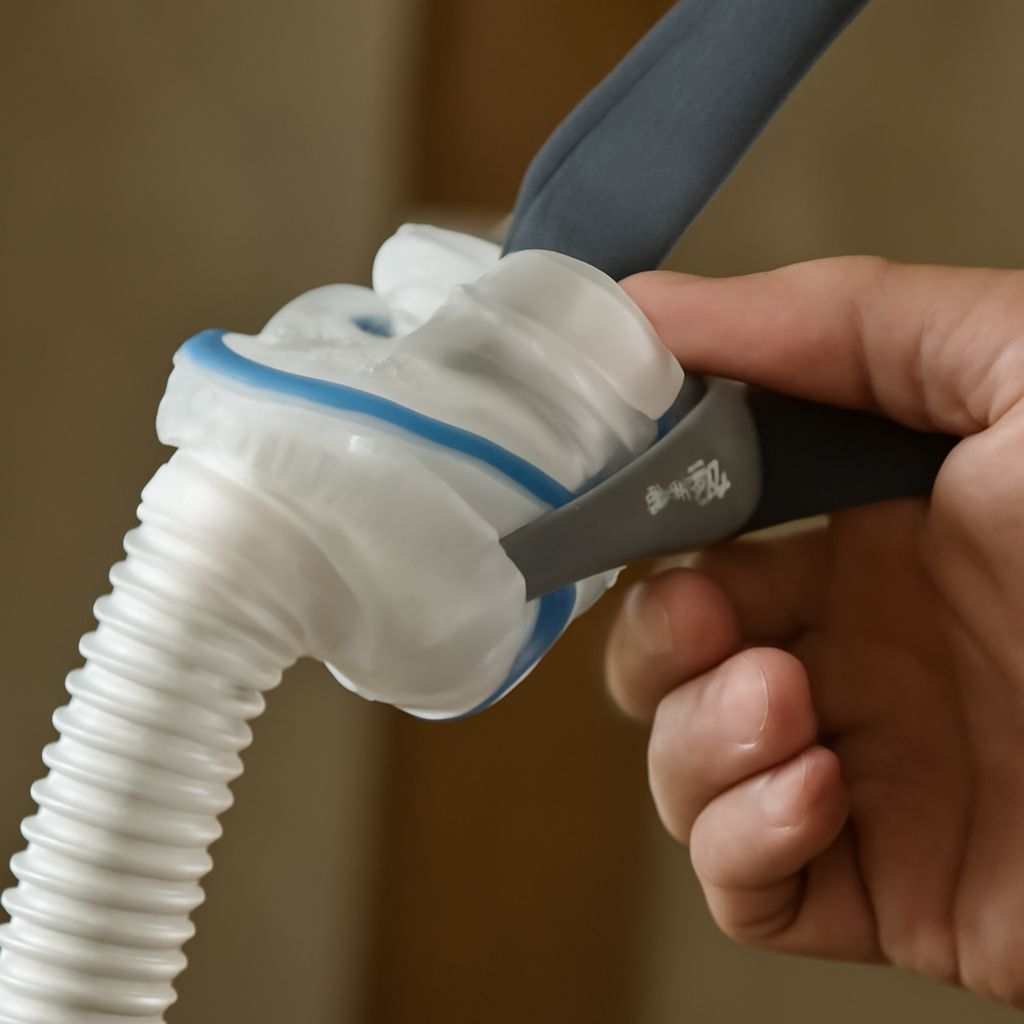
Nasal pillow masks insert two small oval inserts directly into the nostrils, eliminating contact with the nose bridge entirely. The smaller footprint makes them ideal for side-sleepers who move frequently, claustrophobic users who find a full cushion mask oppressive, and those who read or watch television before sleep with the mask on. The trade-off is that nasal pillows can cause inner-nostril soreness at pressures above 12 cm H2O — the airflow concentrates into a smaller entry point and creates a sensation of forced air rather than gentle pressure at higher settings.
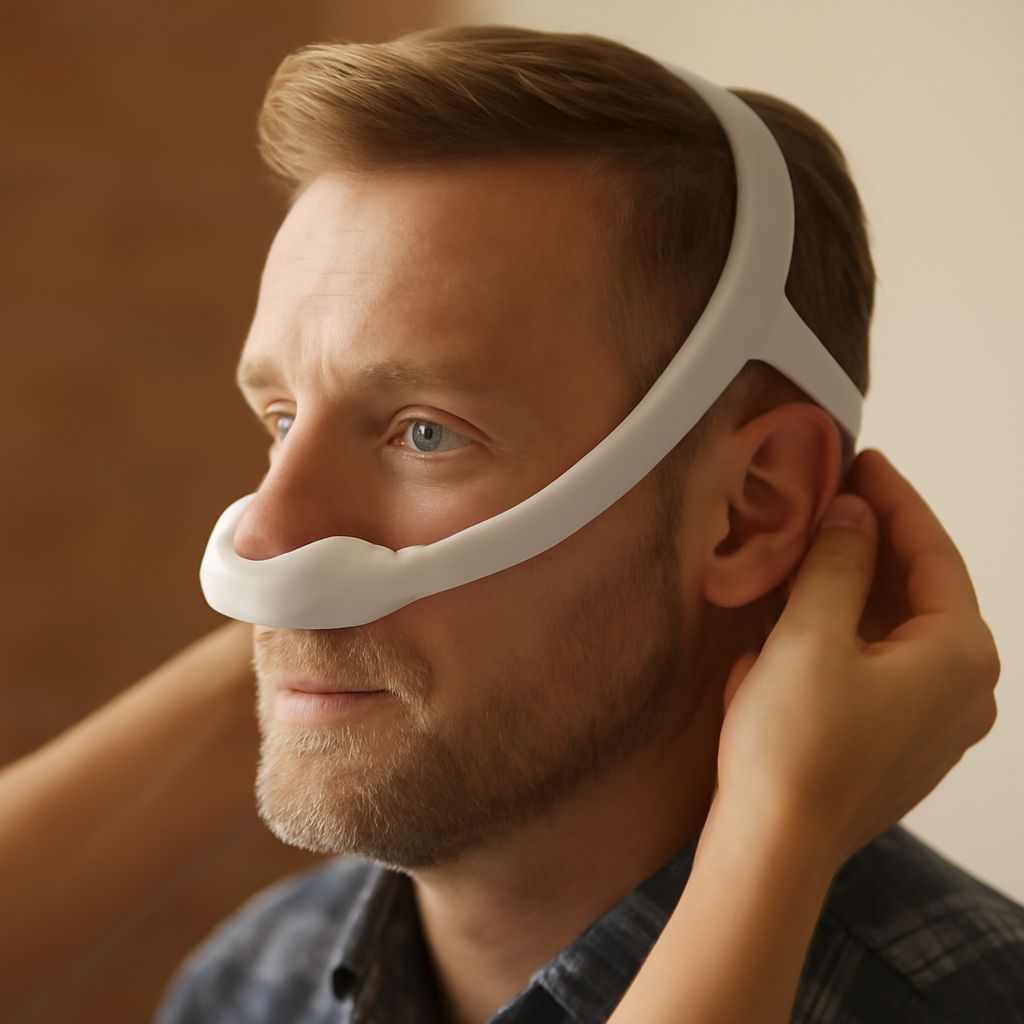
Nasal cradle masks use a triangular cushion that presses against the base of the nose rather than the bridge. This design eliminates red marks and pressure sores on the nose bridge — the most frequent skin complaint among daily CPAP users — and works well for users who wear glasses to bed or who have nose shapes that cause conventional cushions to lift. Cradle masks require careful sizing; too small a cushion allows air to escape under the nose, while too large creates a lifting force that shifts the headgear upward during sleep.
Fit, Sizing, and When to Switch Styles
Mask fit should be checked while sitting upright and then reconfirmed in the lying position used most during sleep. Headgear tension that provides a seal while sitting often feels too tight when lying down because facial tissue redistribution changes the contact points. The standard fitting instruction — tighten only until the leak sound stops — applies, but users should also verify the seal holds through three full pressure cycles after the device ramps to prescribed pressure, not just at rest.
Sizing templates are provided by most major manufacturers including ResMed, Respironics, and Fisher & Paykel. Measuring nasal width at the widest point of the nostrils and nasal height from the top of the septum to the center of the upper lip places most users in small, medium, or large, though manufacturer sizing conventions differ by brand. A medium from one brand may fit identically to a small-wide from another.
Switching mask styles is appropriate when: therapy pressure exceeds 15 cm H2O and nasal pillows cause discomfort; the user reports waking with red marks despite headgear loosening; or compliance data shows mask leak events exceeding 24 liters per minute for more than 30 percent of sleep time. Each of these scenarios has a specific design solution among the nasal mask categories.