CPAP Mask Liners and Covers: What They Do and How to Choose
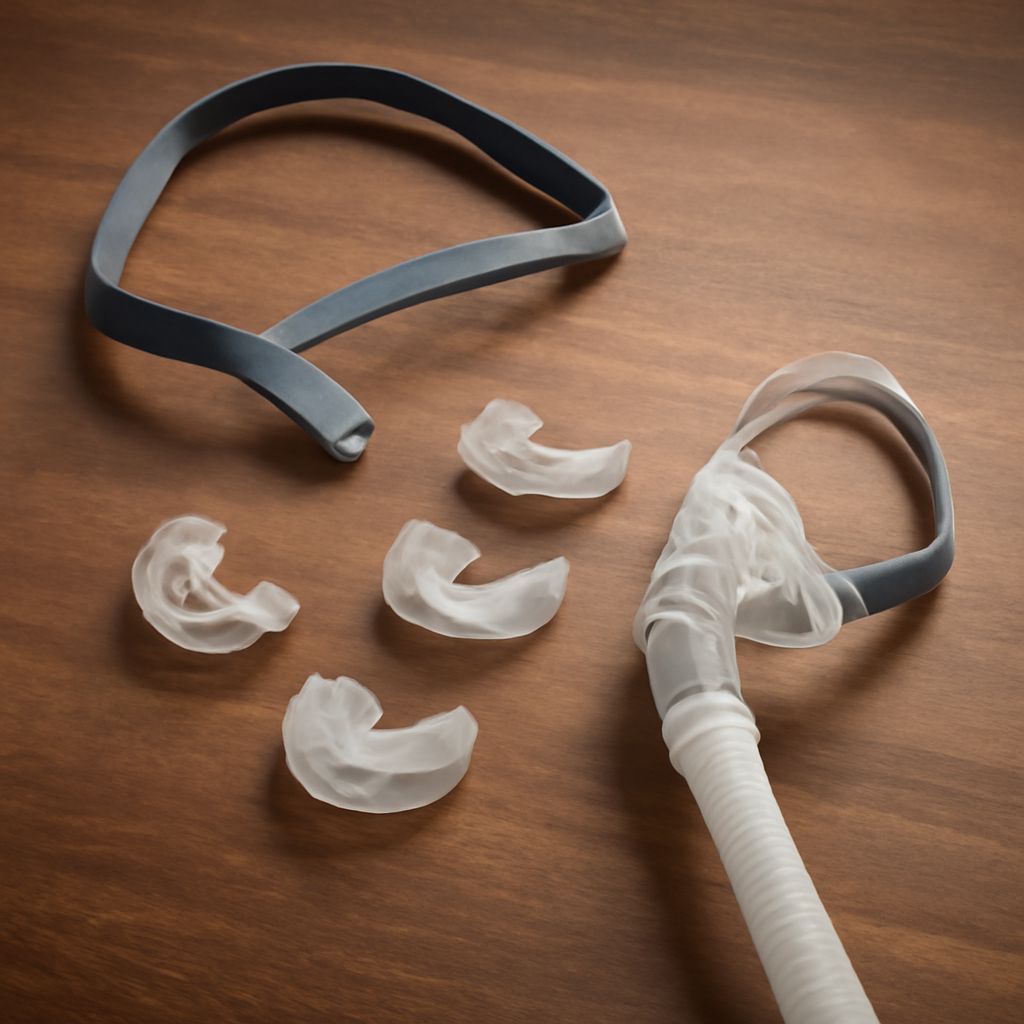
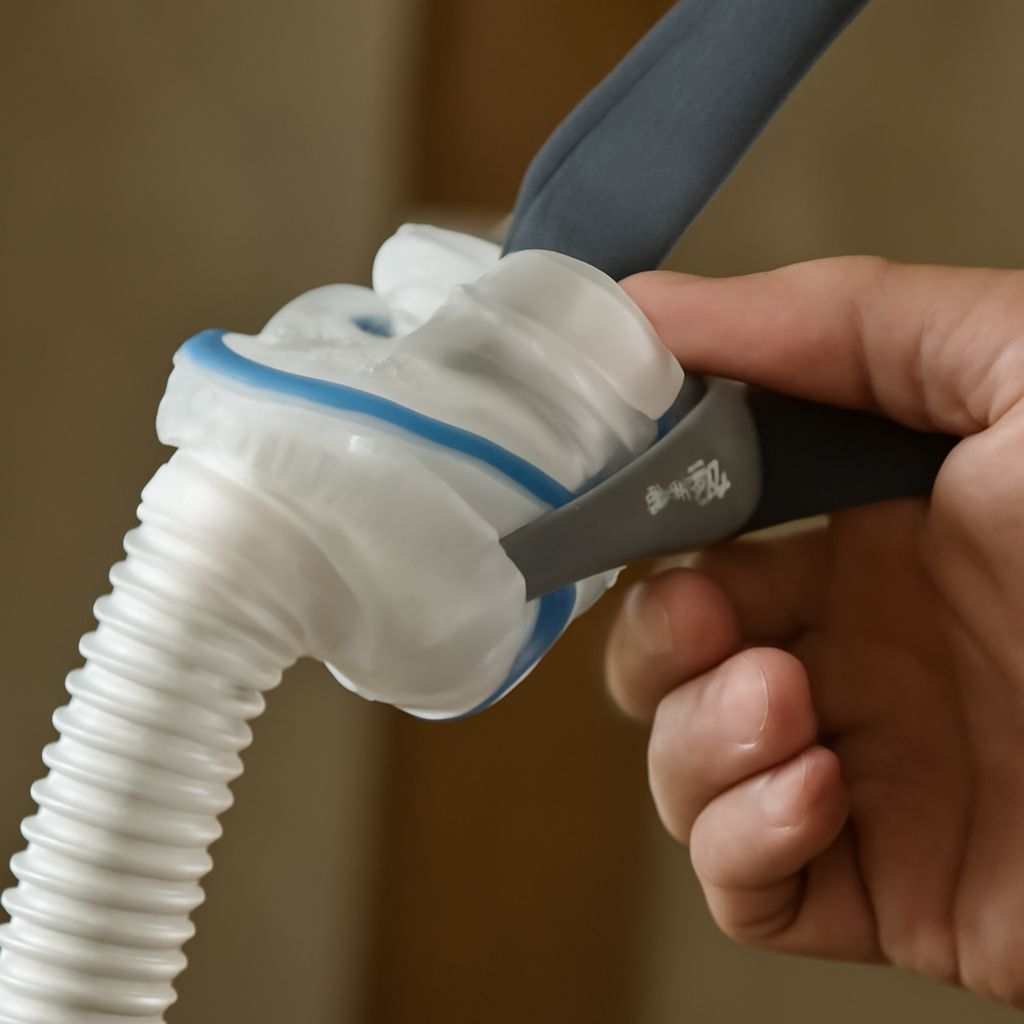
CPAP mask liners sit between the silicone cushion of a mask and the skin, addressing two common therapy problems: seal leakage caused by oils or dry skin and skin irritation from prolonged silicone contact. A cpap mask liner made of soft fabric wicks moisture away from the face, reducing the build-up of skin oils that degrade silicone over time and cause progressive seal loss across a single therapy night. Cpap liners also benefit users with sensitive skin or facial dermatitis who cannot tolerate direct silicone contact for 7 to 8 hours. Cpap mask covers serve a slightly different function: they wrap the external surface of the mask cushion to soften its feel and prevent pressure marks on the cheeks or bridge of the nose. A strapless cpap mask takes a different approach entirely, using a mouth-seal design that eliminates forehead and cheek straps, often used when pressure marks from headgear become a recurring issue.
This guide explains how liners work mechanically, which mask types are compatible, and when a strapless design is worth considering.
How Mask Liners Improve Therapy
Seal Stability and Skin Contact
Standard silicone cushions form their seal by pressing against the skin with enough force to create an airtight contact. When facial oils accumulate on the cushion surface over 2 to 3 hours, the cushion begins to slide, breaking the seal and producing leak noise detectable on both the machine’s data output and audibly in the bedroom. CPAP mask liners absorb these oils through the fabric layer, keeping the cushion surface clean enough to maintain seal integrity through a full night of therapy.
RemZzzs brand liners are the most widely used retrofit option and are sized to specific mask models, which matters because a liner that extends past the cushion edge disrupts the seal geometry. Wearing a cpap liner on the wrong mask model produces the same leak pattern as wearing no liner at all, so verifying compatibility before purchase prevents a common wasted investment.
Cpap Mask Covers and Pressure Mark Prevention
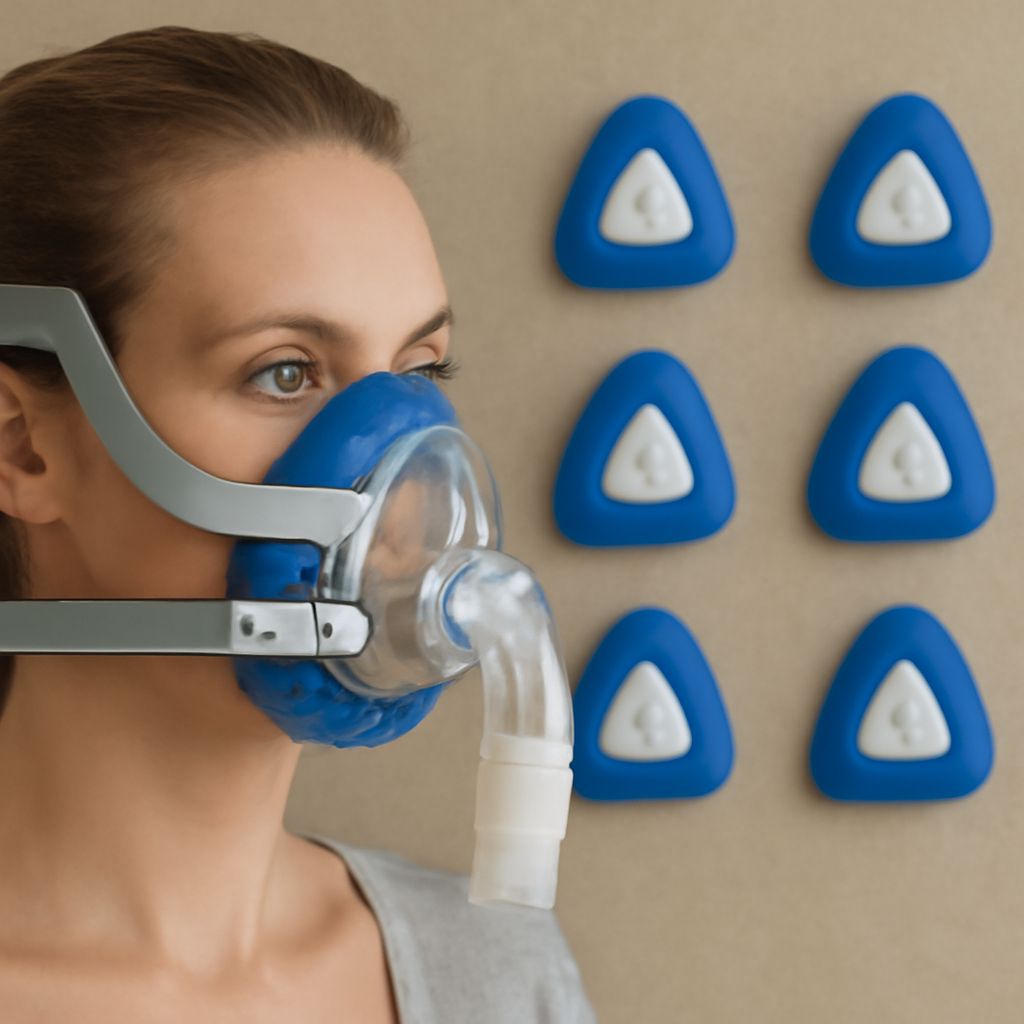
Cpap mask covers address the external cushion surface rather than the skin-contact surface. They are primarily used for masks that contact the nasal bridge or cheekbones with firm pressure, such as full-face masks with narrow bridge supports. The covers add approximately 2 to 3 mm of soft padding at high-pressure contact points, which distributes load over a wider area and prevents the localized redness that persists for several hours after mask removal.
Cpap liners and covers can be used simultaneously on full-face masks: the liner on the inner cushion surface for seal stability, the cover on the outer cushion for pressure mark management. This combination is particularly useful for patients in their first 90 days of therapy who have not yet adapted to mask contact but need to maintain consistent therapy for insurance compliance tracking.
Strapless CPAP Masks
A strapless cpap mask uses a stabilizing mouthpiece or a specially designed nasal interface that seals without requiring forehead, cheek, or over-the-head straps. The most common version is the oral interface design, which seals over the lips only and relies on the natural tension of the perioral muscles to maintain position. This eliminates all headgear, making it compatible with any sleeping position and any hairstyle.
Strapless designs work best in a narrow pressure range, typically 4 to 12 cm H2O. Above 12 cm H2O, the seal force required to prevent blow-off exceeds what perioral muscle tension can provide comfortably. Patients prescribed pressures above this range generally require traditional headgear to distribute the mechanical force of positive pressure across a larger contact area.
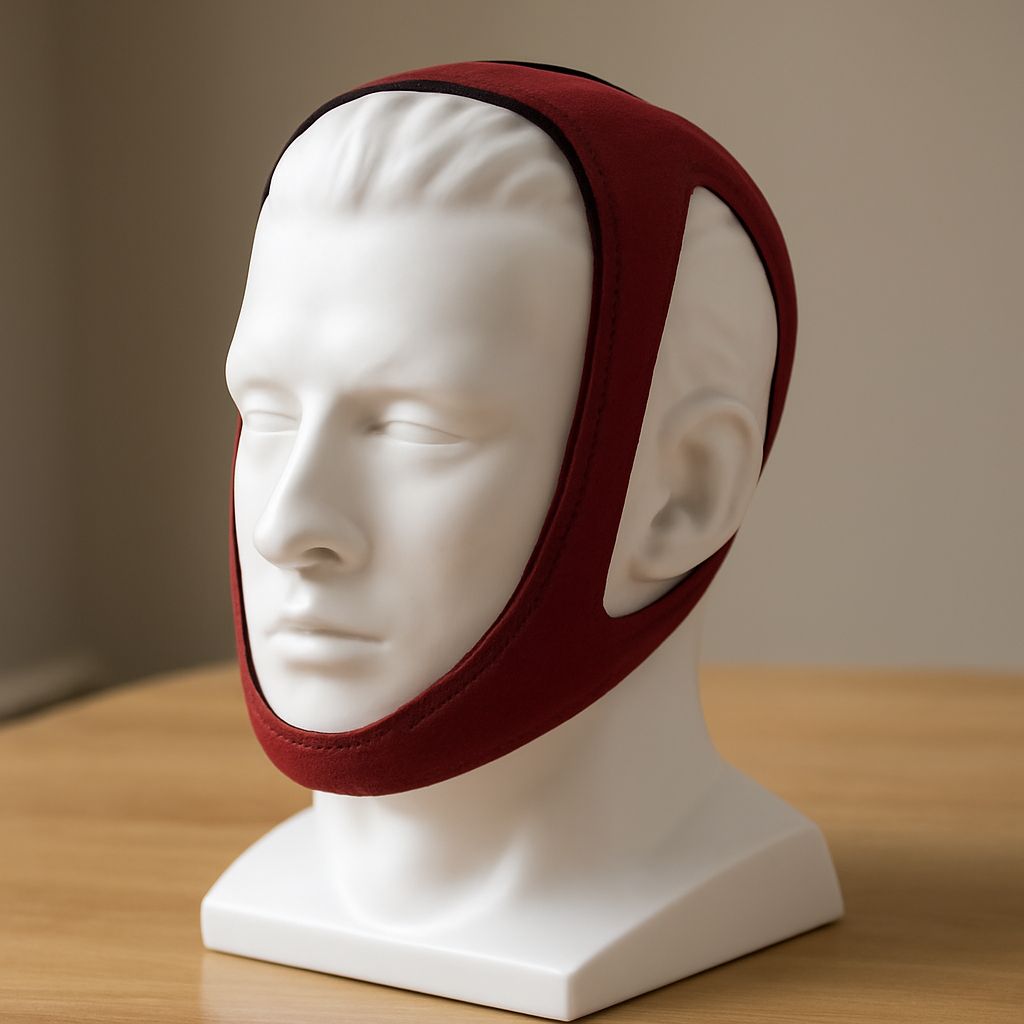
When evaluating cpap mask liners versus a strapless design, consider the primary complaint. Skin irritation from silicone contact and recurring seal leakage are addressed by liners; red marks from headgear straps or strong objection to wearing straps overnight are better addressed by a strapless interface. Both options are available through CPAP suppliers without a new prescription, as they do not change the prescribed pressure.