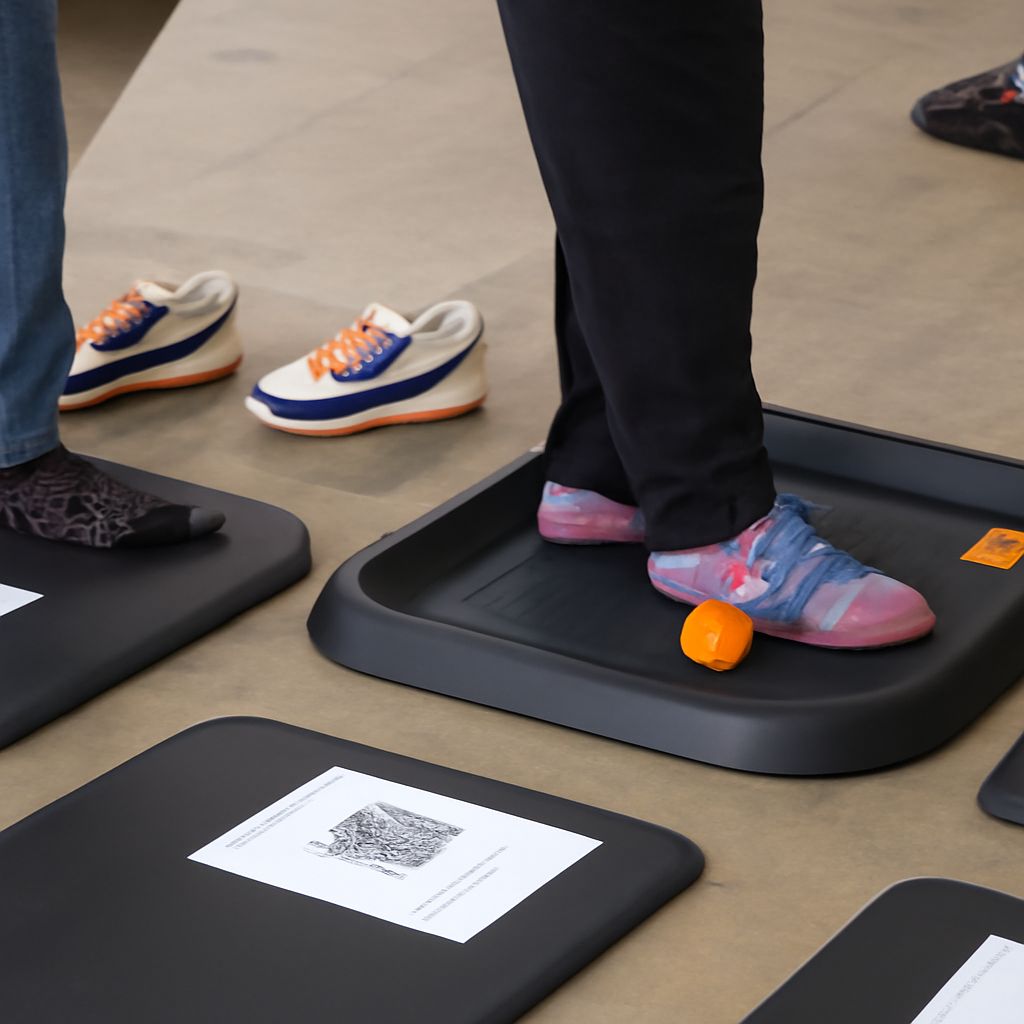
Standing on hard floors for more than 90 minutes at a stretch puts measurable strain on the lower back, hips, knees, and feet. Anti fatigue mats address this by creating a slightly unstable surface that keeps the leg and foot muscles making small, continuous micro-adjustments rather than locking up. Fatigue mats have been used in industrial settings for decades, and the same science applies at home kitchen stations and sit-stand desks.
Choosing the right mat matters more than most buyers expect. Anti-fatigue mats vary in foam density, surface texture, beveled edge design, and material durability. Anti fatigue floor mats designed for heavy commercial use differ significantly from the lighter residential options found at kitchen stores. Anti-fatigue floor mats sold for garage workshops need oil resistance on top of cushioning.
How Anti-Fatigue Mats Reduce Strain on Your Body
The core mechanism is controlled instability. A mat with 3/4-inch to 1-inch of high-density foam or gel causes the muscles from the calf down to the arch to fire continuously at low intensity, which pumps blood back toward the heart more efficiently than standing on concrete. Workers who use anti-fatigue mats for the first time often notice that discomfort in the lower lumbar area drops within the first week. In one industrial study, assembly-line workers reported 35% less end-of-shift fatigue after switching to cushioned floor mats compared to bare concrete.
Material density is the single most predictive factor. A mat that compresses more than 50% under normal body weight loses its benefit quickly. Press your thumb firmly into a mat before buying; it should indent slightly but spring back within two seconds. Gel-core mats maintain that springback longer than open-cell foam, typically lasting three to five years versus one to two years for cheaper foam options.
Key Features to Look for in Anti Fatigue Floor Mats
Beveled edges on all four sides prevent tripping and make cleaning easier. The bevel should slope gradually, not at a sharp 45-degree angle, to allow easy rolling chair or cart movement without catching. Surface texture matters for safety: a smooth top looks clean but gets slippery when wet, while a textured surface provides grip at the cost of harder cleaning. Mats used near sinks or coffee stations benefit from anti-microbial treatments built into the material.
- Thickness: 3/4 inch minimum for standing use, 1 inch or more for six-plus hours per day
- Material: nitrile rubber or high-density PU foam for durability; EVA foam for lightweight home use
- Edge design: beveled on all four sides for trip prevention
- Size: 20×32 inches covers a single-person workstation; 24×36 inches works for wider ranges of motion
Where to Use Fatigue Mats at Home and Work
Kitchen islands and stovetop areas are the most common residential use case. Thirty minutes of cooking prep is enough time for floor hardness to start registering as discomfort in the lower back. A mat placed at the primary prep surface reduces that friction significantly over a full cooking session. Sit-stand desks see similar benefit: using a mat for the standing intervals, typically 20 to 30 minutes at a time, makes standing sustainable rather than tiring.
Commercial kitchens, retail checkout lanes, and warehouse packing stations all use anti-fatigue floor mats as a standard employee comfort and productivity measure. In these settings, mats with grease-resistant surfaces and heavy-duty rubber backing are required. Home workshops and garages benefit from interlocking foam tile systems that cover larger areas without breaking the budget of a single oversized mat.
Comparing Popular Anti-Fatigue Floor Mat Materials
Nitrile rubber resists oils, chemicals, and heavy loads. It is the material of choice for automotive garages and restaurant kitchens where spills are constant. PU (polyurethane) foam provides excellent cushioning-to-weight ratio and works well for office and home standing desks. EVA foam is lightweight and inexpensive, suited for occasional use or travel, but compresses faster under daily use. Vinyl-covered foam mats clean up easily but can crack after two to three years of daily bending and rolling.
Bottom line: Anti fatigue mats make a measurable difference for anyone standing on hard floors for 60 or more minutes per session. Picking the right density and material for the environment determines how long that benefit lasts. A quality mat at a kitchen station or standing desk is a practical investment that pays off in reduced end-of-day discomfort within the first two weeks of consistent use.