A nasal CPAP mask covers only the nose, leaving the mouth and chin completely free. This design makes it lighter, quieter, and less claustrophobic than full-face alternatives, which is why CPAP nasal masks are the most prescribed style for new CPAP users. The tradeoff is that nasal coverage only works when the mouth stays closed during sleep; mouth breathers need a full-face mask or a chin strap add-on. A cpap nasal mask also delivers a more natural breathing feel because airflow enters through the nose the way it does during waking breathing.
Nose CPAP therapy with a nasal mask produces lower leak rates than any other mask style when the fit is correct, and it allows a wider range of sleeping positions since the mask profile sits directly under the nose rather than extending over the chin and jaw. Choosing the right nasal mask for cpap therapy starts with understanding the three nasal mask subtypes and then matching the construction to the individual’s face shape and pressure setting.
Types of CPAP Nasal Masks and How They Differ
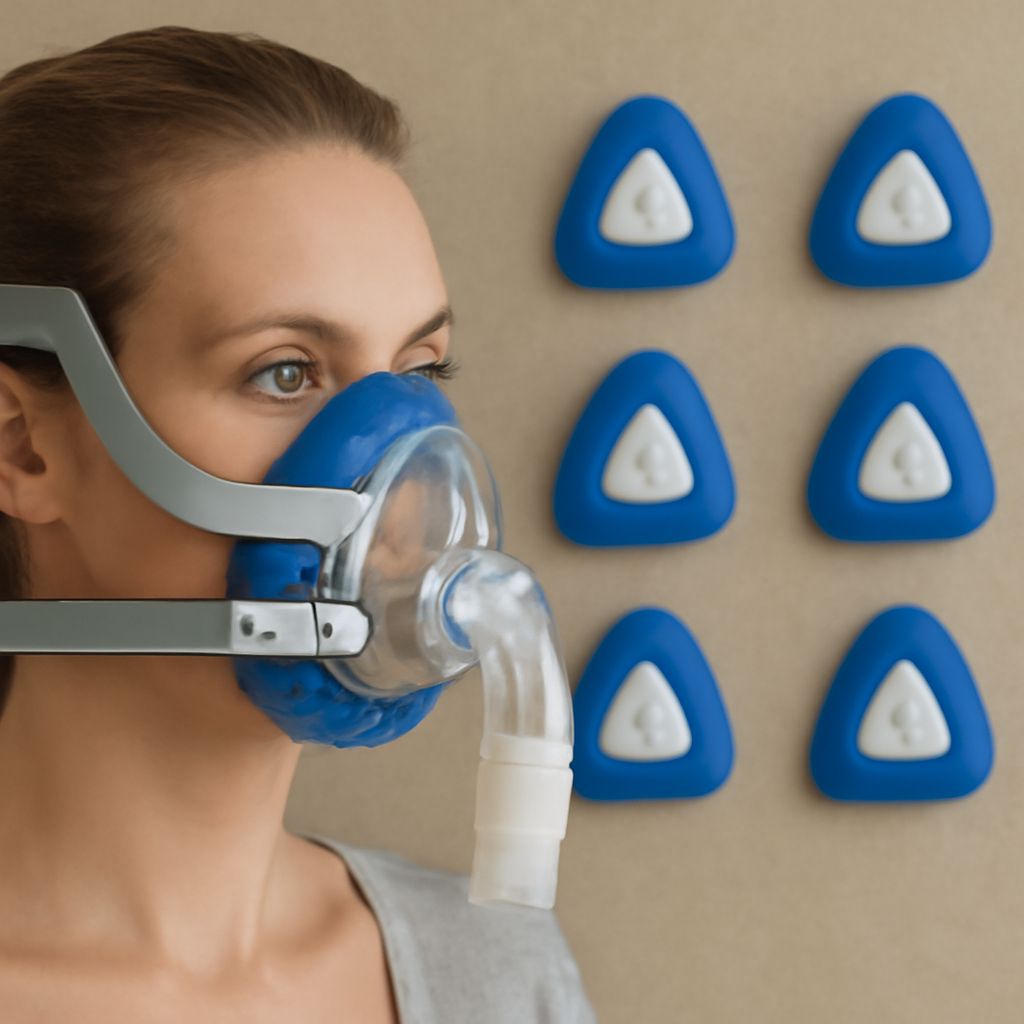
Standard nasal masks sit over the nose bridge and extend down to just above the upper lip. They use a soft silicone cushion that creates a seal by conforming to the nasal contour. These are the most common cpap nasal masks in clinical use and fit a wide range of face shapes. They work well at pressures from 4 to 20 cm H2O, making them compatible with most fixed-pressure and auto-adjusting CPAP prescriptions.
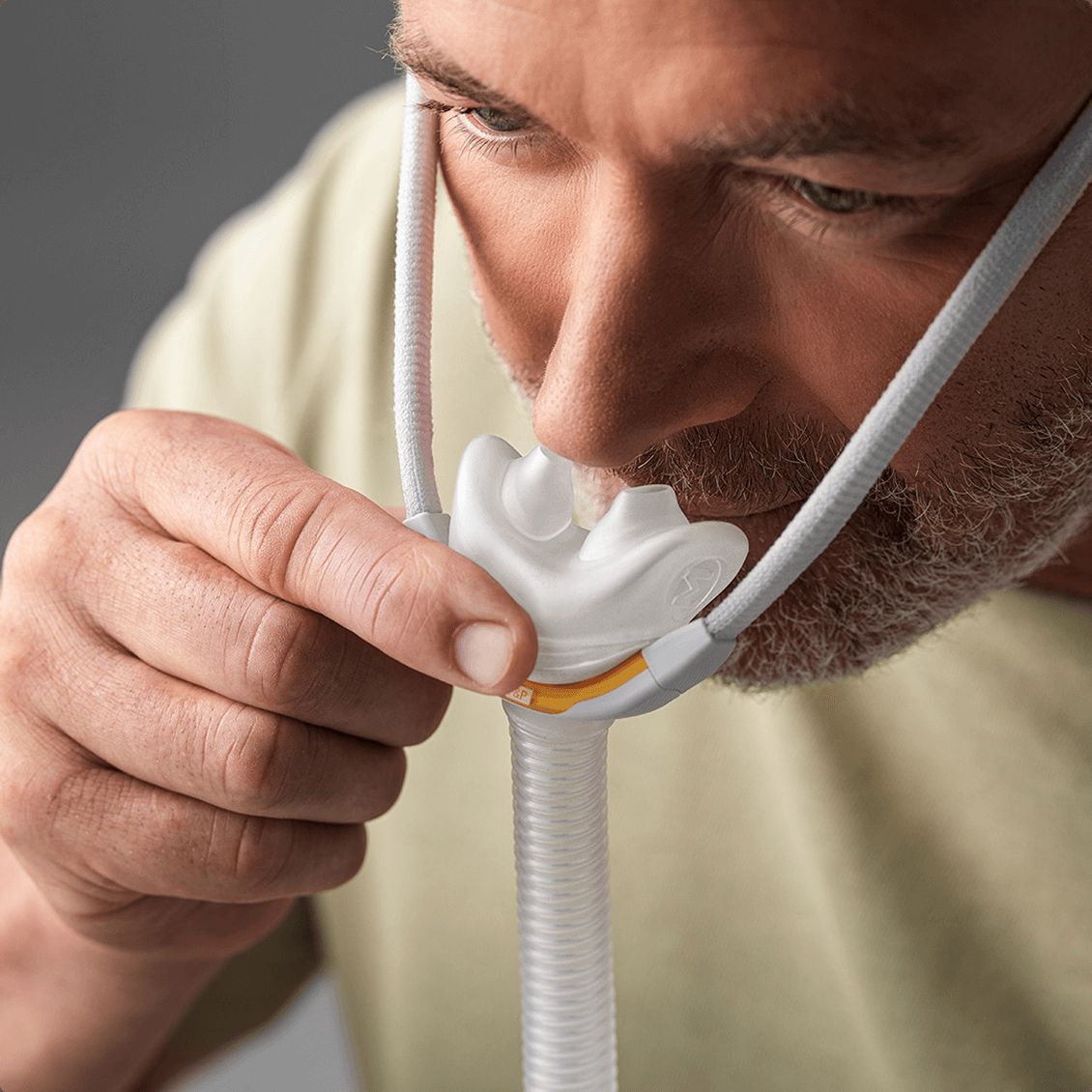
Nasal pillow masks are a subcategory of nasal CPAP mask that inserts small cone-shaped pillows directly into the nostrils. They have minimal facial contact and the smallest footprint of any CPAP mask type. Nasal pillows are popular among side sleepers and people with claustrophobia because there is no frame sitting over the nose bridge. The limitation is that pillow masks become uncomfortable at pressures above 14 to 15 cm H2O due to the direct air jet entering the nostrils at higher velocities.
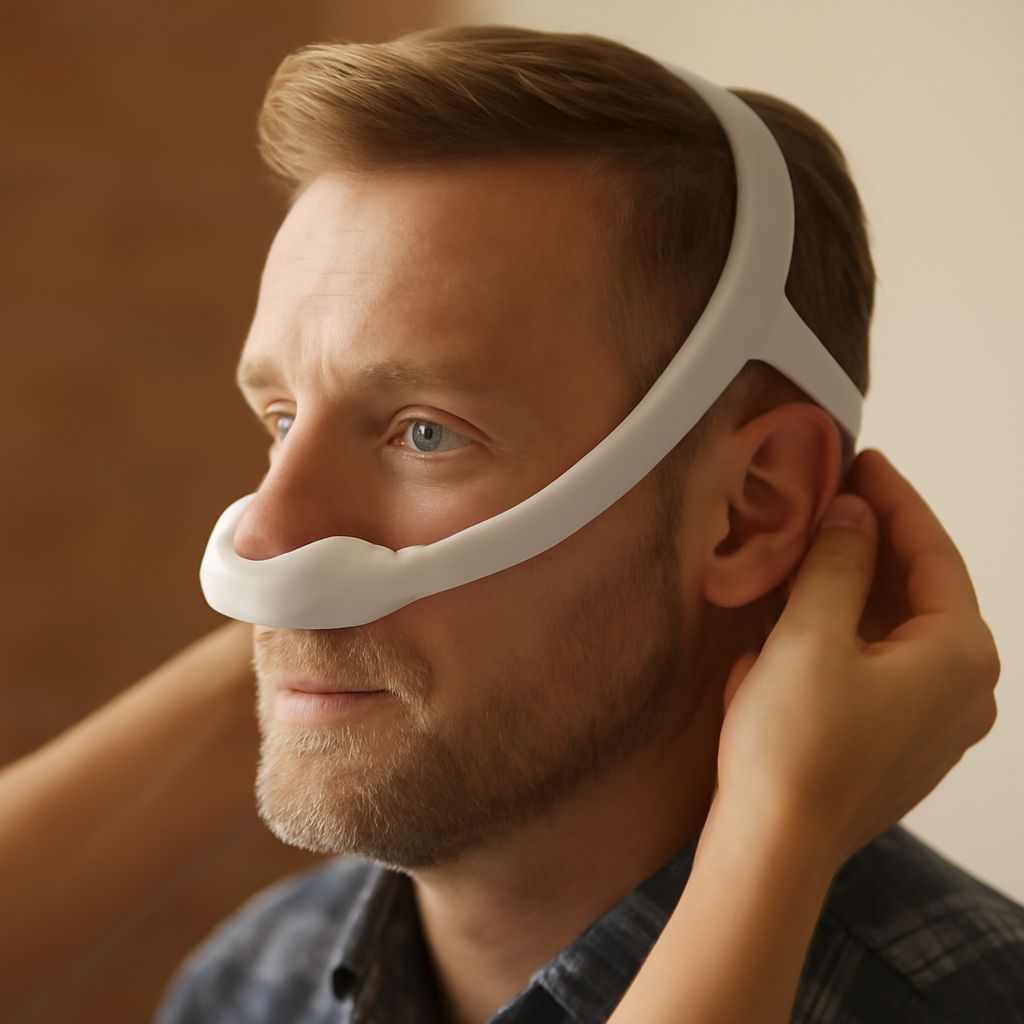
Nasal cradle masks sit under the nose rather than over it, using a curved cushion that cups the base of the nose. This design eliminates the seal across the nose bridge, which reduces red marks and pressure sores for people who develop them with standard masks. The cradle style is a solid option for people who have tried a nasal mask for cpap but found the bridge seal uncomfortable.
When a Nose CPAP Mask Works Best
A nose cpap setup is the right choice when the user breathes through the nose at night, does not have significant nasal congestion or obstruction, and sleeps primarily on the back or side. People with deviated septums, chronic rhinitis, or frequent nasal congestion often find that nasal masks cause mouth breathing as the nose blocks up, which creates air leaks and drops therapy effectiveness. Heated humidification reduces this problem significantly by preventing the mucosal drying that triggers congestion at night.
Fitting and Maintaining Your Nasal Mask for CPAP Therapy
A proper nasal mask fit means no gap between the cushion and the nose when the machine is running, no pressure marks on the nose bridge after 30 minutes of use, and a seal that holds through normal head movement without tightening the headgear excessively. The headgear should feel snug but not tight: two fingers should fit between the strap and the cheek. Overtightened headgear causes leaks by distorting the cushion shape, counterintuitively making the seal worse.
Cushion sizing is separate from mask sizing. Most nasal CPAP mask brands offer small, medium, and large cushion sizes independently of the frame. Many users find that their cushion size differs from what they expect based on general face size. ResMed, Philips Respironics, and Fisher & Paykel all include sizing gauges in mask packaging. Spend two minutes with the gauge before assembling the mask for the first time.
Cleaning the nasal mask cushion daily with warm water and mild soap extends its life and maintains the seal quality. Silicone cushions degrade with exposure to facial oils, which breaks down the material over two to three months and causes air leaks. Replace cushions every 30 days under insurance guidelines; replace them sooner if leaks appear despite a correct fit. The headgear, typically fabric, should be hand-washed weekly and air-dried to prevent elastic degradation.
Next steps: If new to CPAP, request a mask fitting session through the home medical equipment supplier before committing to a style. Try a nasal mask first if there are no nasal obstruction issues, then evaluate leak rates and comfort after two weeks. If bridge pressure marks or nasal soreness develop, try a nasal cradle or nasal pillow design before moving to a full-face mask.