A cpap machine with humidifier solves several common airway complaints that arise from breathing pressurized room air all night. Cpap sore throat is the most frequent complaint among new users—dry air at therapeutic pressure irritates the pharyngeal mucosa within the first week of use. Using cpap with a cold raises a separate question: whether the increased secretion load makes therapy less effective or risks redistributing infectious material through the system. Cpap and sinus infections have a bidirectional relationship—some users develop sinusitis as a consequence of therapy, while others find that existing sinus inflammation makes therapy temporarily impossible. Cpap sinus congestion from therapy-related dryness or bacterial colonization of the water chamber is often the root cause, not the apnea itself.
Solving Sore Throat and Dryness
Humidifier Settings and Heated Tube Use
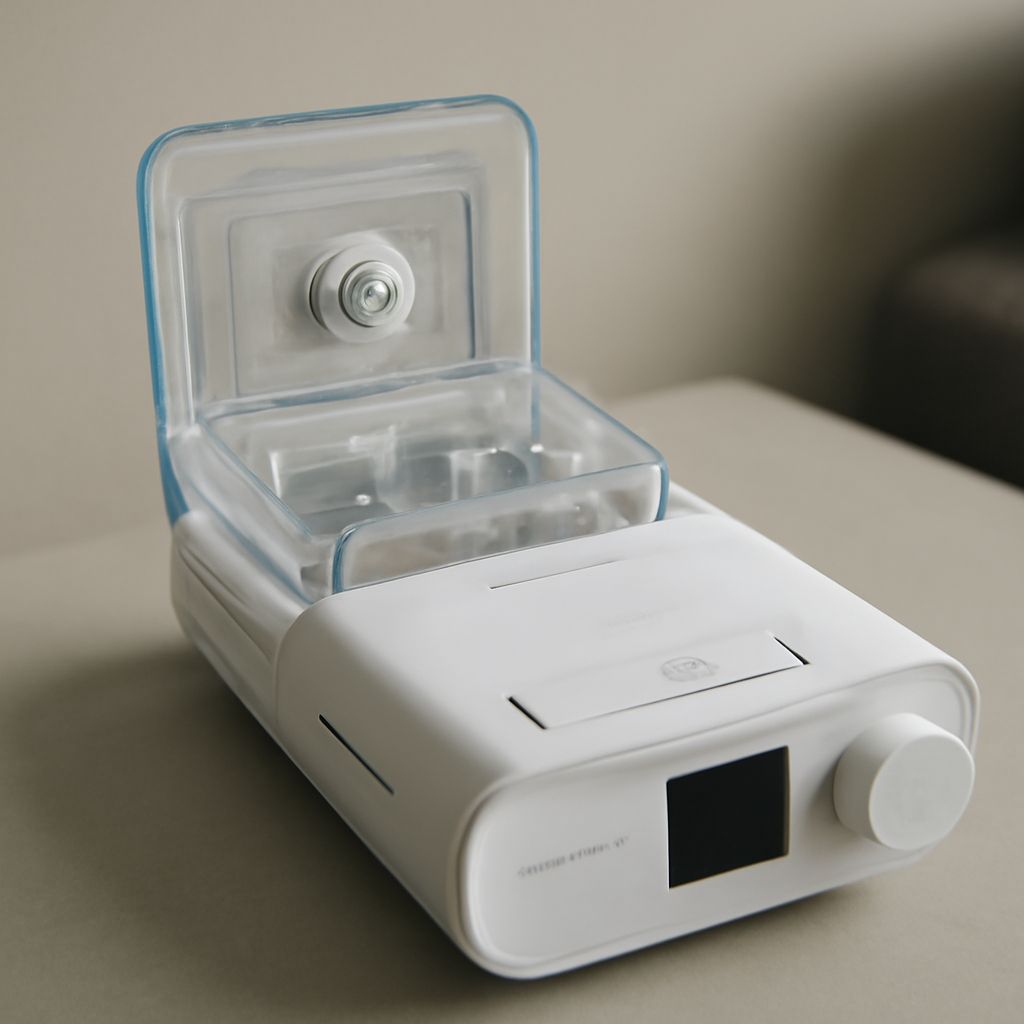
Cpap sore throat from airway dryness responds to humidifier level adjustment within 2–3 nights. Start at the midpoint of the machine’s humidifier scale—typically 4 on an 8-point scale—and increase by 1 increment per night until the throat discomfort resolves. The goal is a moisture level that eliminates dryness without producing condensation (rainout) in the hose, which sounds like water gurgling and can wake the user or aspirate into the airway.
A heated tube prevents rainout by maintaining the air temperature from the machine to the mask above the dew point. Without a heated tube, air cools as it travels through the hose and deposits moisture as condensation. The moisture then pools in the hose and enters the mask cushion, degrading the seal and producing the gurgling sound. Heated tube temperature settings of 77–82°F work for most room temperatures between 65–75°F.
Using CPAP During Illness
Using cpap with a cold is recommended over stopping therapy, because untreated apnea during illness compounds the respiratory stress of the infection. The concern about redistribution of infectious material is managed by cleaning the mask, hose, and chamber daily during the illness period rather than weekly. Use a 1:5 white vinegar and water solution for the water chamber, and replace the disposable filter at the end of the illness.
Nasal congestion from a cold makes cpap sinus congestion worse by increasing airway resistance, which forces the machine to ramp up pressure to maintain therapy. A saline nasal rinse 30 minutes before bed reduces congestion enough to lower the pressure requirement and make the mask seal more achievable. Oxymetazoline nasal spray (e.g., Afrin) works faster but should not be used more than 3 consecutive days due to rebound congestion risk.
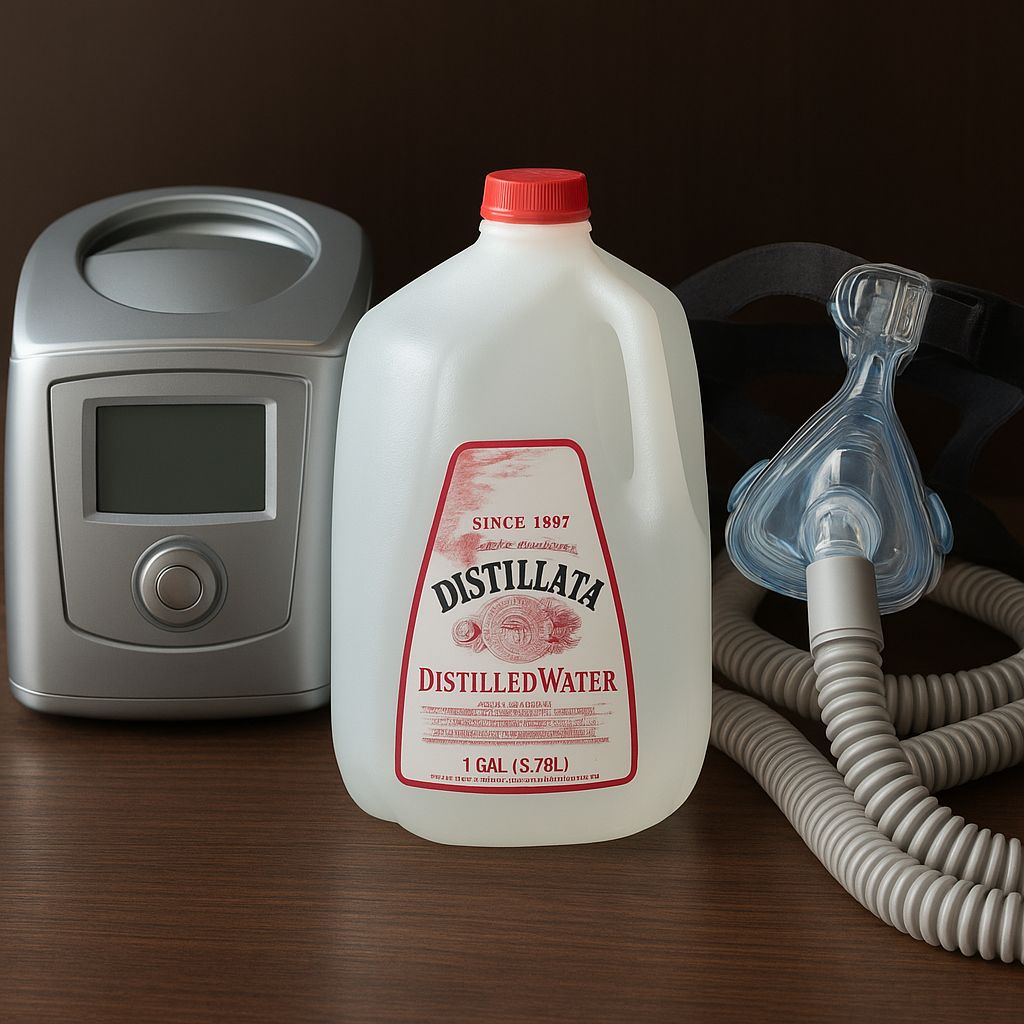
Cpap and sinus infections require evaluation if symptoms persist more than 10 days despite daily cleaning and adequate humidification. Bacterial sinusitis can develop from moisture and warmth in the circuit if the water chamber is not emptied and dried daily. The chamber should always be emptied each morning, allowed to air dry completely, and refilled with distilled water each evening. Tap water introduces minerals and microorganisms that accumulate on the heating plate and in the silicone seams.
Bottom line: a cpap machine with humidifier eliminates most moisture-related complaints, but the humidifier requires consistent daily maintenance to avoid becoming a source of the problems it is meant to prevent. Monitor therapy data for rising leak rates, which indicate mask seal degradation from moisture or congestion, and adjust humidifier settings seasonally as room conditions change.