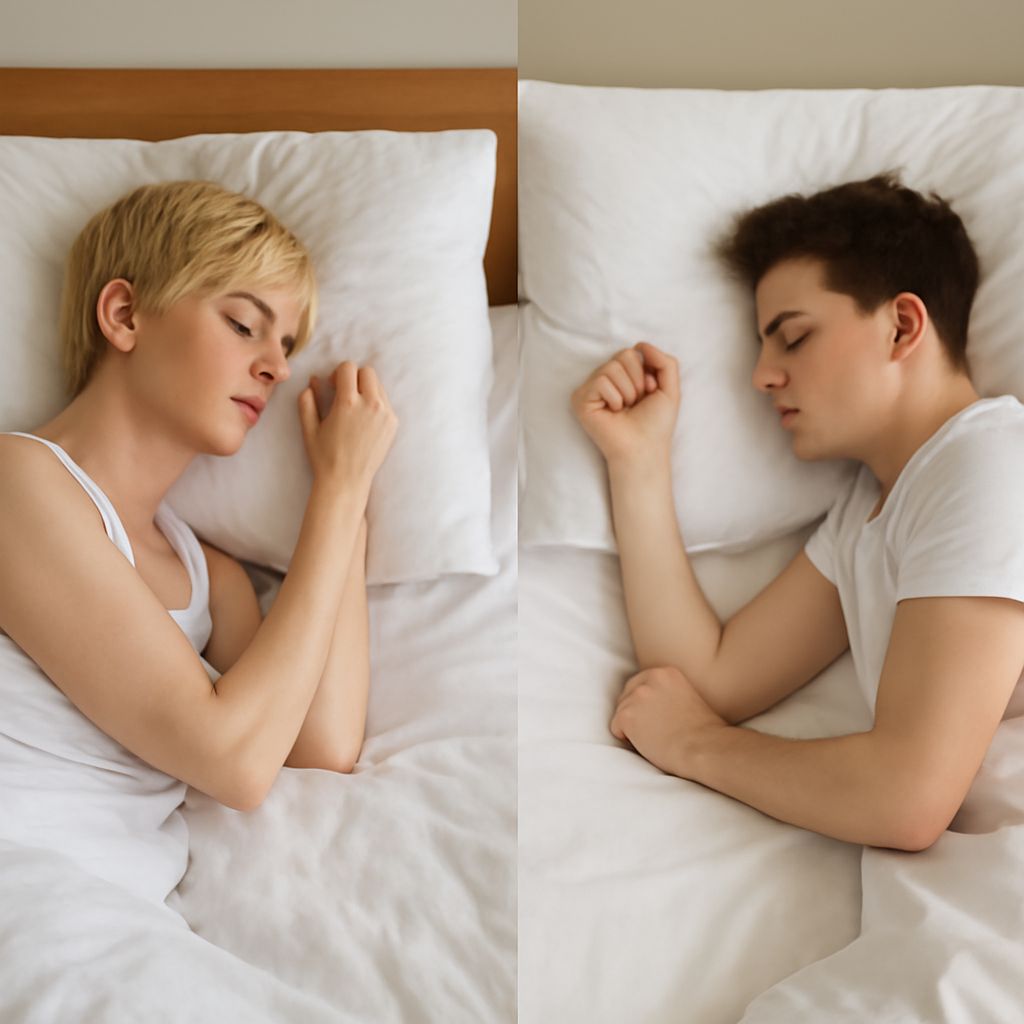
Understanding the right sleeping position can significantly impact your health and quality of rest. Discovering which side should you sleep on not only enhances comfort but also improves various bodily functions. This exploration into what is the best side to sleep on will guide you in making informed choices that align with your health needs.
Knowing whether is it bad to sleep on your back or if another position may be more suitable can affect how well you sleep and wake up refreshed. This article will delve into the benefits and drawbacks of different sleeping positions, empowering you to optimize your night’s rest.
Why Your Sleeping Position Matters
Sleeping position plays a crucial role in restfulness and overall health. It can influence spinal alignment, breathing, and even digestion. A position that aligns the spine can prevent aches and pains, while a good posture may aid in reducing snoring and sleep apnea. Additionally, some positions foster better digestion by supporting the natural flow of bodily processes.
Each individual may find that certain positions suit them better based on personal health conditions. For instance, those with sleep apnea might benefit from side-sleeping, while individuals with back pain might prefer different adjustments. Understanding the impact of sleeping positions can guide personalized choices that contribute to better sleep hygiene.
K1: Which Side Should You Sleep On?
Deciding on which side you should sleep on involves considering various health factors. Lying on the left side is often recommended as it may enhance digestion and reduce heartburn, thanks to the positioning of the stomach and pancreas. Additionally, this side can improve circulation by reducing pressure on the vena cava, the vein that returns blood to the heart from the lower body.
However, sleeping on the right side might be preferred by some, as it can reduce pressure on the heart and maintain a neutral spine position. It’s worth experimenting with both sides to identify which side delivers the most comfort and aligns with individual health requirements. Regularly changing sides might also prevent stiffness or soreness from prolonged pressure on one side.
K2: What Is the Best Side to Sleep On?
Determining what is the best side to sleep on is subjective and often hinges on specific health considerations. For those with acid reflux, the left side is usually advisable as it helps keep stomach acid from rising. Pregnant individuals may also benefit from the left side, which can enhance blood flow to the fetus.
For others, the right side might offer advantages such as reduced pressure on internal organs or alleviation of chronic pain. Several studies suggest that right-side sleeping may lower the incidence of nightmares and provide a calm sleeping environment. Testing both sides while monitoring sleep quality may help pinpoint the ideal sleeping position for each person.
K3: Is It Bad to Sleep on Your Back?
The question of whether is it bad to sleep on your back can be complex. Back-sleeping offers a natural alignment for the spine and may prevent facial wrinkles from pressing into the pillow. For those without breathing issues, back-sleeping can promote evenly distributed weight across the frame.
However, it might not suit everyone. People with sleep apnea or snoring problems might find this position exacerbates their symptoms, as it can lead to airway obstruction. Those with lower back pain might also experience discomfort if the spine lacks proper support.
Utilizing a supportive pillow and mattress can mitigate some of the downsides of sleeping on your back. Adjusting the elevation of the head to reduce snoring or placing a pillow under the knees to support the lower back can enhance comfort and support.