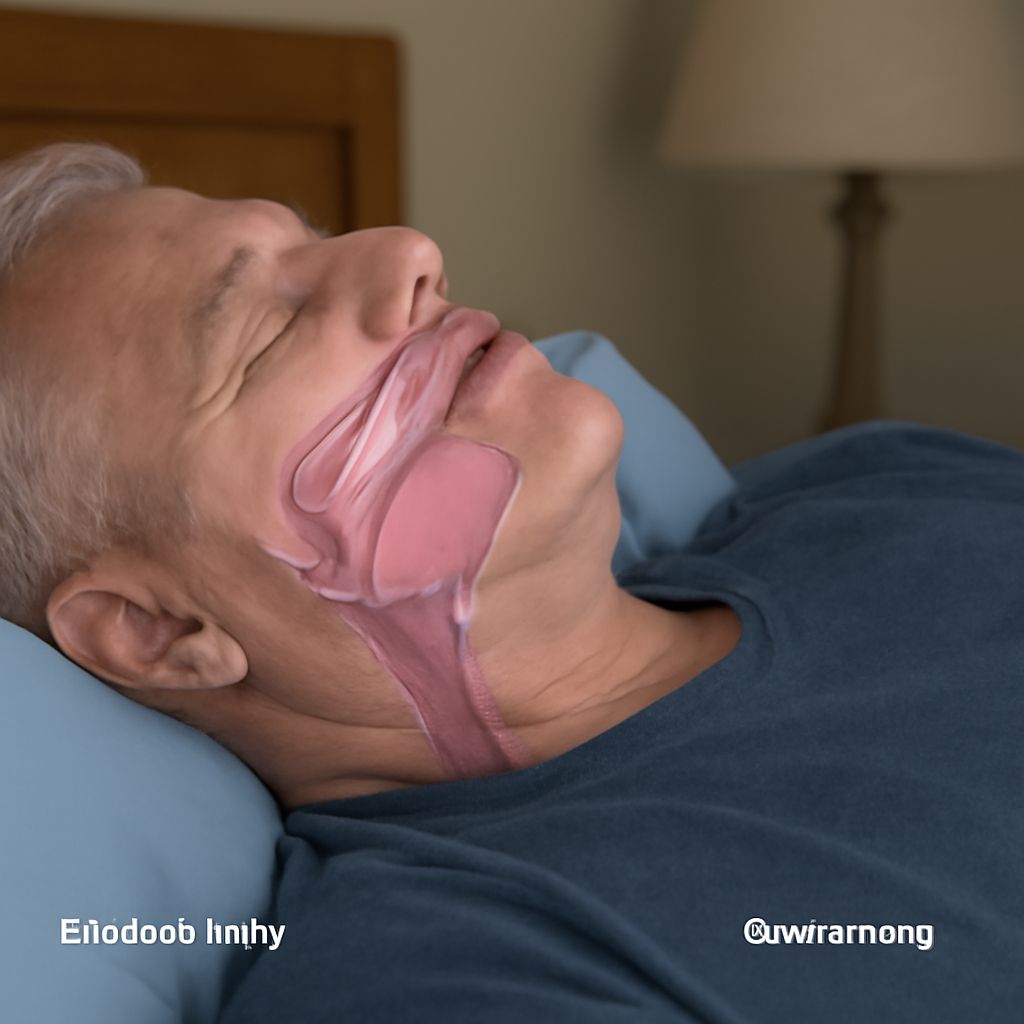
Snoring is a common issue that affects many people and can significantly impact sleep quality. While occasional snoring is usually harmless, frequent and loud snoring might indicate underlying health problems, such as sleep apnea. Understanding why you snore so loud is crucial to finding effective solutions that improve your sleep and overall well-being.
If you’ve ever wondered, “Is snoring normal?” or sought ways to stop snoring, you’re not alone. This article explores the causes of snoring and offers practical and effective solutions to stop snoring. By addressing these issues, you can enhance your sleep quality and enjoy more restful nights.
Understanding Why You Snore So Loud
Snoring occurs when air flows past relaxed tissues in the throat, causing them to vibrate. The sound can vary in intensity, and several factors can contribute to why some people snore so loudly. One of the primary reasons is the anatomy of a person’s mouth and throat, which can include a long soft palate or a large uvula. These features can narrow the airway, increasing the likelihood of snoring.
Other factors include nasal congestion, obesity, and alcohol consumption. Nasal congestion from allergies or colds can block nasal airways, leading to mouth breathing and snoring. Excess weight, particularly around the neck, can also constrict the airway during sleep. Alcohol relaxes the throat muscles, exacerbating snoring.
Is Snoring Normal? Exploring the Causes
Occasional snoring is common and typically not a cause for concern. However, it becomes a problem when it disrupts your sleep or that of your partner. Persistent snoring can be an indication of sleep disorders like obstructive sleep apnea, a condition where breathing repeatedly stops and starts during sleep.
Several risk factors can increase the likelihood of snoring. These include age, as the throat becomes narrower with age and muscle tone decreases. Male gender is also a factor, as men are more likely to snore or have sleep apnea compared to women. Lifestyle factors such as smoking can irritate the airways, increasing the risk of snoring.
Effective Ways to Stop Snoring
Lifestyle Changes
Making specific lifestyle changes can significantly reduce snoring. Weight loss is highly recommended for overweight individuals, as even a small reduction in weight can decrease throat constriction. Avoiding alcohol and sedatives before bedtime can also help, as these substances relax the throat muscles, increasing the likelihood of snoring.
Medical Treatments
For those with more severe snoring issues, medical treatments may be necessary. Continuous Positive Airway Pressure (CPAP) therapy is a common treatment for sleep apnea, using a machine to keep airways open during sleep. Other options include surgery to remove tissue or correct nasal problems.
Home Remedies
Several home remedies can also be effective in reducing snoring. Elevating the head using extra pillows can help open the airways. Sleeping on your side instead of your back can prevent the tongue from blocking the throat. Nasal strips or an external nasal dilator can help keep nasal passages open.
How to Stop Snoring While Sleeping: Practical Tips
Establishing a consistent sleep routine can help minimize snoring. Going to bed and waking up at the same time each day helps regulate your sleep cycle. Additionally, maintaining a clean and allergen-free sleeping environment can reduce nasal congestion, which is a common contributor to snoring.
Using a humidifier in your bedroom can add moisture to the air, which may ease breathing by preventing dry airways. Practicing good sleep hygiene, such as limiting screen time before bed and ensuring a comfortable mattress and pillow, can also promote better sleep.
Key takeaways: Snoring can often be managed through lifestyle changes, medical treatments, and home remedies. Understanding the underlying causes can help find the most effective solution to stop snoring. By addressing these issues, individuals can improve their sleep quality and overall health.