Making informed sleep choices can significantly enhance your overall well-being. Whether considering compression socks for improved circulation or exploring the unique experience of sleeping in a hammock, each option offers potential benefits tailored to individual needs. However, understanding the full picture, including the pros and cons of these choices, is crucial for optimizing sleep quality and comfort.
Deciding whether you should sleep in compression socks or experiment with hammock sleeping requires careful consideration of your personal health and comfort preferences. While compression socks promote better blood flow, sleeping in a hammock long term can offer a different kind of relief and relaxation, each with its own set of advantages and potential drawbacks.
Benefits and Considerations of Sleeping in Compression Socks
Why People Choose Compression Socks
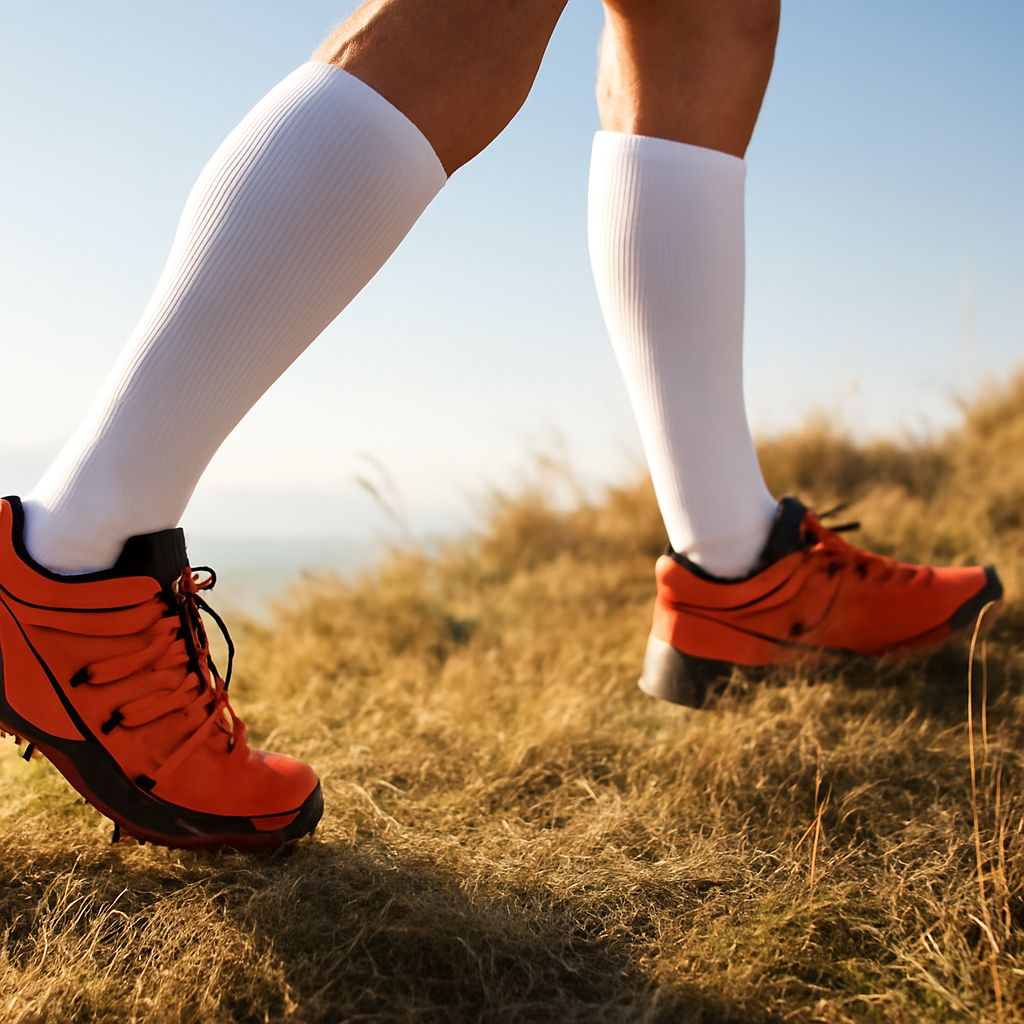
Compression socks are designed to improve circulation and reduce swelling by exerting gentle pressure on the legs. They are commonly used by individuals who stand or sit for long periods, such as those in professions demanding prolonged hours on their feet. While typically worn during the day, some people opt to sleep in compression socks to extend these benefits into the night.
Improved circulation can aid in reducing leg discomfort and preventing blood clots. This is particularly beneficial for those with conditions like varicose veins or chronic venous insufficiency. By wearing compression socks, individuals may experience less leg fatigue and swelling, contributing to more restful sleep.
Potential Downsides of Overnight Use
Despite the benefits, there are considerations to keep in mind if planning to sleep in compression socks. Prolonged pressure on the skin can sometimes lead to discomfort or skin irritation. It is essential to ensure that the socks are not too tight, as excessively tight compression can restrict blood flow rather than enhance it.
Proper fit and material are critical to avoiding any adverse effects. Those with diabetes or other sensitivity issues should consult with a healthcare provider before making compression socks a part of their sleep routine to ensure they do not exacerbate existing conditions.
Exploring the Idea of Sleeping in a Hammock
Pros and Cons of Hammock Sleeping
Sleeping in a hammock can be a unique and soothing experience. The gentle rocking motion of a hammock can encourage faster sleep onset and deeper relaxation. This motion is akin to a baby being rocked to sleep, which can be particularly beneficial for individuals struggling with insomnia or chronic stress.
However, there are potential drawbacks to hammock sleeping. Finding the right position can be challenging, and some individuals may experience discomfort in the neck or back if not correctly aligned. Additionally, adjusting to a hammock may take time, and it might not provide adequate support for everyone.
Is Sleeping in a Hammock Long Term a Good Idea?
While the occasional nap in a hammock can be refreshing, sleeping in a hammock long term may not be ideal for everyone. Hammocks can encourage a curved sleeping position that might not support the spine’s natural alignment, potentially leading to discomfort or back pain over time.
Nevertheless, for those who find comfort and solace in a hammock’s embrace, ensuring proper setup with adequate support and positioning can mitigate some of these concerns, making hammock sleeping a viable option.
Comparing Compression Tights and Socks for Sleep
Should You Choose Compression Socks or Tights?
The choice between compression socks and tights depends on personal needs and comfort levels. Compression tights offer full-leg coverage and a consistent level of pressure from the feet to the waist, which may be beneficial for individuals seeking more comprehensive support.
Conversely, compression socks focus on the lower leg, making them less restrictive and often more comfortable for overnight wear. Those considering compression garments for sleep should assess their specific circulation needs and possibly conduct a trial period to determine which option provides the greatest comfort and efficacy.
Bottom line: Choosing whether to incorporate compression socks or attempt hammock sleeping involves weighing personal comfort against potential benefits. Both options offer unique advantages, but individual health considerations and preferences should guide the decision-making process to enhance restful and restorative sleep.