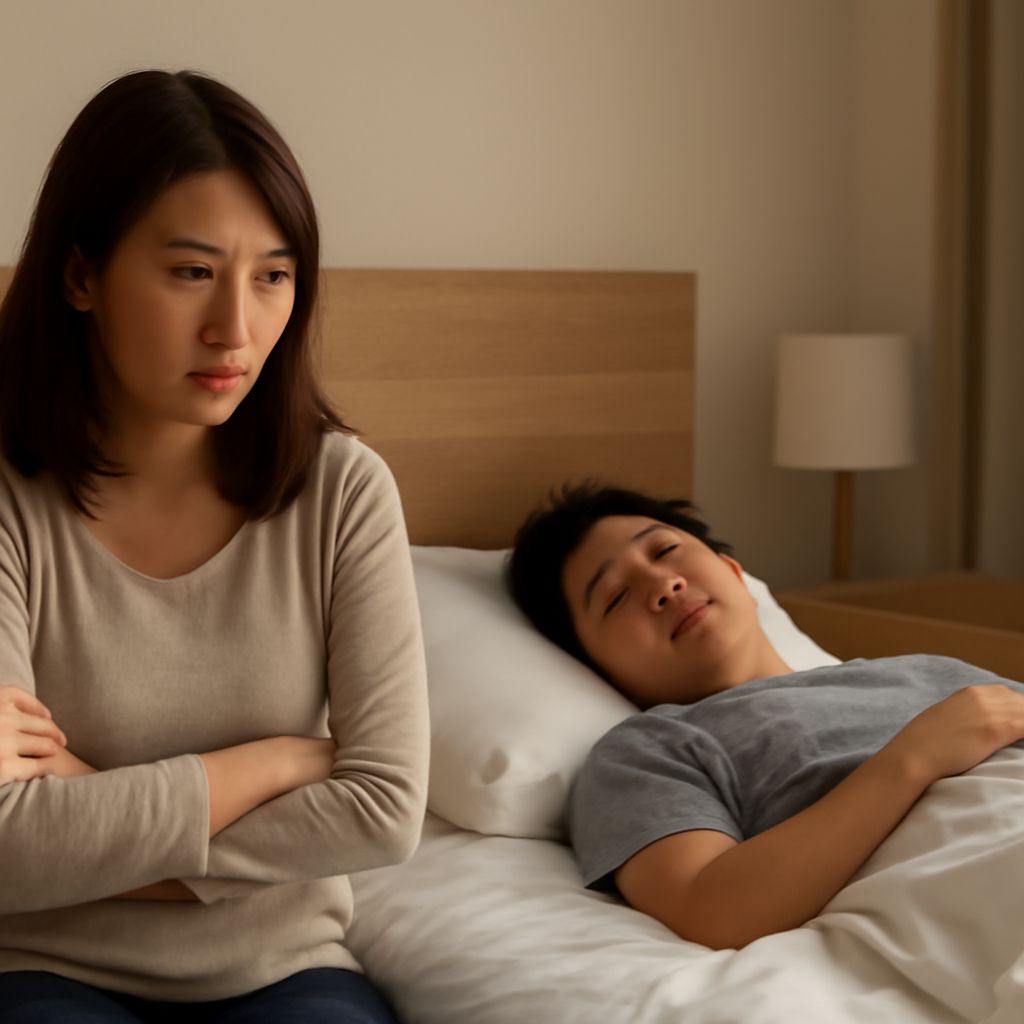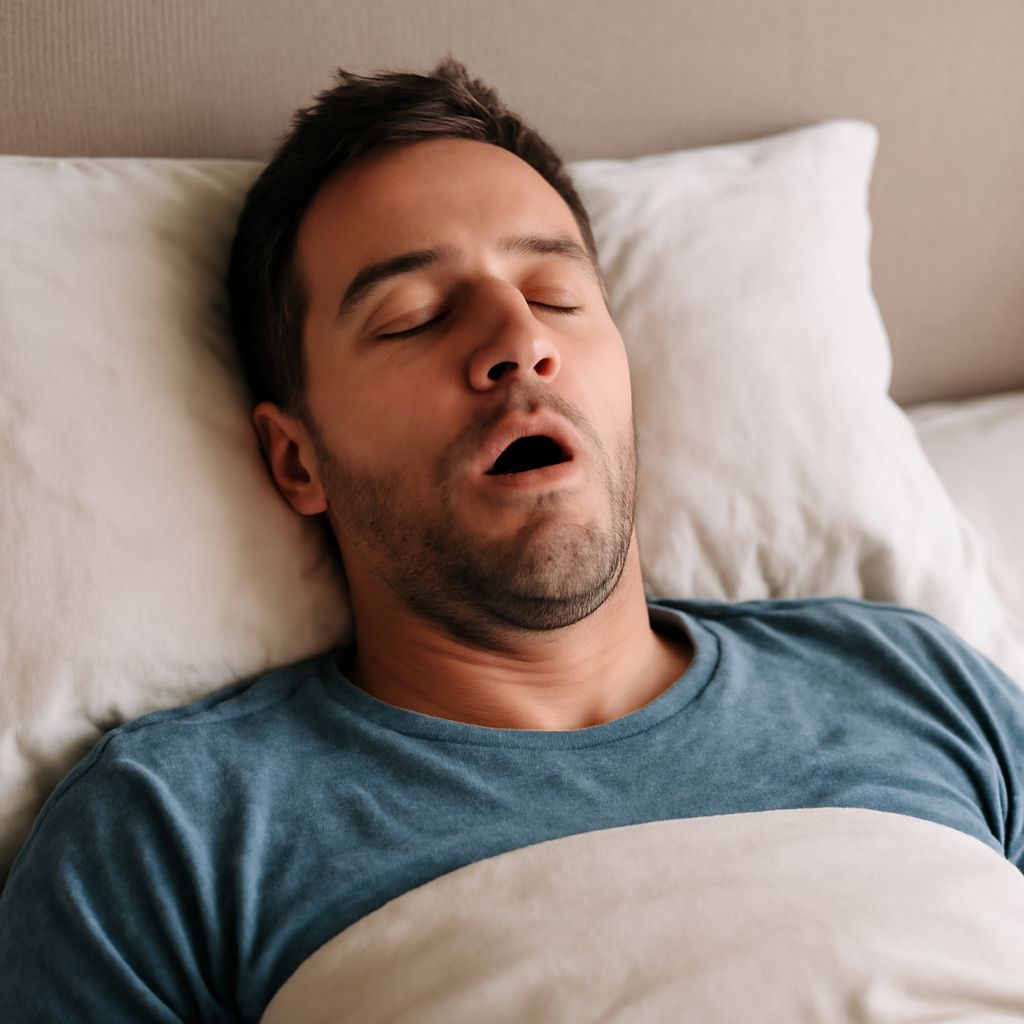
Sleeping with the mouth open might seem trivial, yet it can have profound impacts on health and well-being. Understanding why you might sleep with your mouth open can help mitigate potential drawbacks and improve sleep quality. By examining causes and effects, one can explore effective solutions to address this often-overlooked concern.
Whether due to congestion or habitual sleep positions, the reasons behind why do I sleep with my mouth open vary. This article delves into the issues arising from sleeping with mouth open and offers guidance on how to stop such habits for better health.
Why Do I Sleep with My Mouth Open?
Common Causes of Sleeping with Mouth Open
There are several reasons why individuals may end up sleeping with their mouth open. One common cause is nasal congestion, which forces individuals to breathe through their mouth. Allergies, colds, or sinus infections can obstruct nasal pathways, making mouth breathing a necessity during sleep.
Additionally, some people have structural issues such as a deviated septum or enlarged tonsils that can hinder nasal breathing, inadvertently causing them to sleep with their mouth open. Chronic conditions like sleep apnea can also contribute, as the body instinctively opts for the easiest path to ensuring adequate air intake.
How Sleep Positions Affect Mouth Breathing
Sleep positions play a significant role in whether one breathes through the nose or mouth. Back sleepers may find themselves more prone to mouth breathing since gravity naturally pulls the jaw open. In contrast, side sleeping can aid in keeping the mouth closed, encouraging nasal breathing.
Sleeping with the head elevated can sometimes alleviate the tendency to breathe through the mouth, as it reduces the gravitational pull on the jaw and facilitates easier nasal airflow.
Effects of Sleeping with Mouth Open
Health Issues from Sleeping Mouth Open
Consistently sleeping with the mouth open can lead to a range of health issues. One significant concern is dry mouth, which occurs when saliva production decreases, increasing the risk of gum disease and tooth decay. The lack of moisture can cause bacteria to flourish, leading to oral health problems.
Moreover, mouth breathing during sleep can exacerbate or trigger respiratory issues, as it fails to filter and humidify the air as effectively as nasal breathing. Over time, this can contribute to throat irritation and an increased susceptibility to infections.
Impact on Sleep Quality
Quality of sleep is directly affected when one sleeps with an open mouth. Disrupted breathing patterns can lead to frequent awakenings, reducing the overall restorative quality of sleep. This interruption can result in daytime fatigue, decreased cognitive function, and mood disturbances.
Furthermore, snoring is often associated with mouth breathing, which not only affects the individual but may also disrupt the sleep of others sharing the same space.
How to Stop Sleeping with Your Mouth Open
Practical Tips to Keep Your Mouth Closed at Night
Several practical strategies can help prevent sleeping with the mouth open. Ensuring a clear nasal passage through the use of saline sprays or humidifiers can facilitate nasal breathing. For those with allergies, reducing allergens in the sleep environment by using air purifiers and hypoallergenic bedding can prove beneficial.
Training oneself to maintain a consistent side-sleeping position can also help. Specially designed pillows may assist in this by supporting the neck and head to minimize the likelihood of mouth breathing.
For individuals experiencing difficulty due to structural issues, devices such as nasal strips or mouth tapes can gently promote keeping the mouth closed throughout the night.
When to Seek Professional Help
In some cases, self-help strategies may not suffice. Persistent problems with mouth breathing during sleep warrant consultation with a healthcare professional. An evaluation can determine if underlying conditions like sleep apnea or anatomical obstructions are affecting your ability to breathe properly during rest.
Doctors may recommend treatments such as Continuous Positive Airway Pressure (CPAP) therapy or refer the patient to a dentist specialized in devising oral appliances that aid in maintaining proper breathing during sleep.