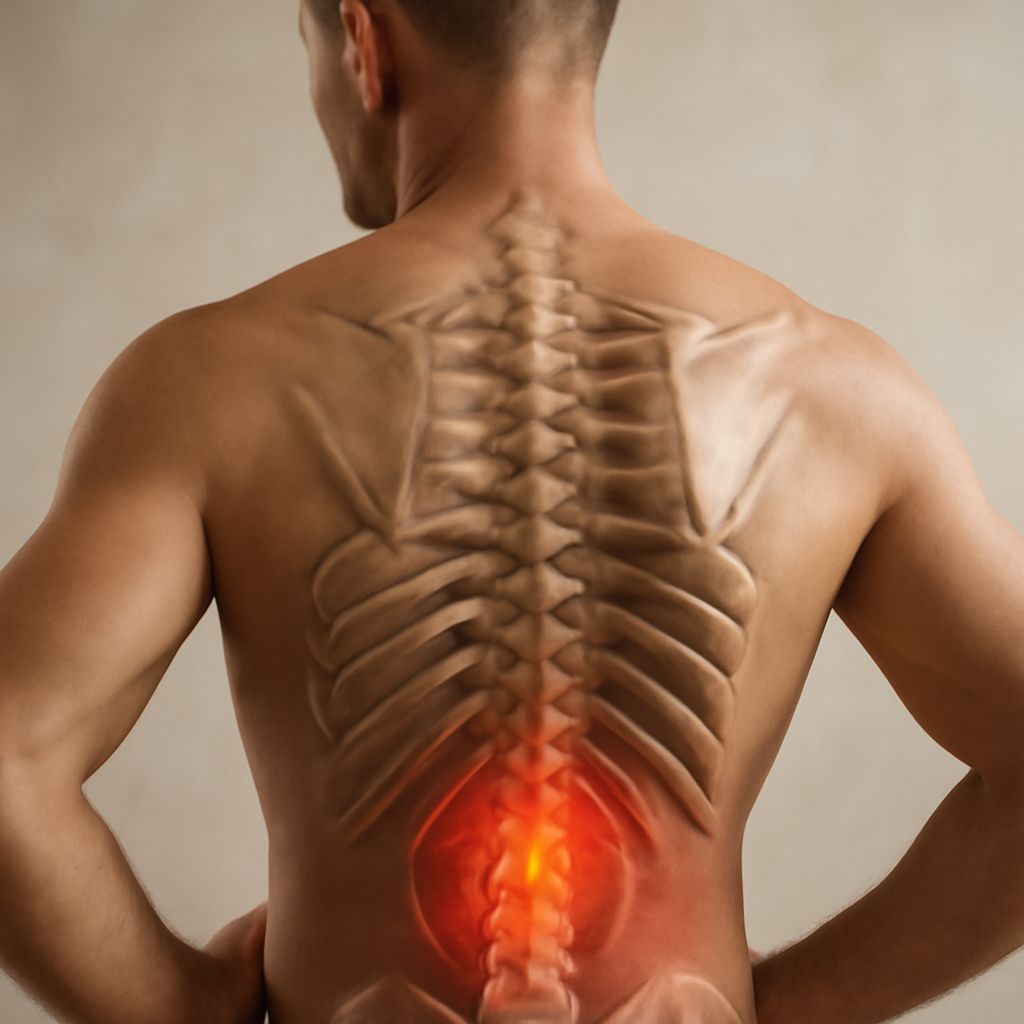
Post flu fatigue is one of the most common and most frustrating sequelae of influenza infection. While the acute illness — fever, myalgia, headache — typically resolves within 5–10 days, the fatigue that follows can persist for two to six weeks in otherwise healthy adults and significantly longer in older individuals or those with underlying medical conditions. Understanding why extreme fatigue after flu differs from ordinary tiredness, and knowing when to be concerned about prolonged recovery, helps people set realistic expectations and seek appropriate support.
Extreme fatigue after virus infection in general — whether influenza, respiratory syncytial virus, Epstein-Barr virus, or SARS-CoV-2 — follows a common underlying mechanism that involves the immune system’s post-activation state. Fatigue after cold virus is typically shorter and less severe but operates through the same pathways at lower intensity. Fatigue after stent placement, while mechanistically different (procedural recovery rather than infection), shares the feature of prolonged low energy that confuses patients expecting faster recovery. Recognizing the biological basis of post-illness fatigue enables a more patient and effective recovery approach.
Why Post-Viral Fatigue Persists After the Infection Clears
The immune response to viral infection involves the release of cytokines — signaling molecules including interleukin-1, interleukin-6, and tumor necrosis factor-alpha — that coordinate the body’s defense. These cytokines have direct effects on the brain that produce the fatigue, reduced appetite, and social withdrawal characteristic of acute illness (collectively called “sickness behavior”). This is an adaptive response: rest during acute infection allows the immune system to dedicate resources to viral clearance.
The problem is that cytokine clearance and immune de-activation lag behind viral clearance by days to weeks. Long after the influenza virus is eliminated, residual inflammatory signaling continues to produce fatigue. Several additional factors prolong this state:
- Sleep disruption during acute illness: High fever disrupts normal sleep architecture, reducing slow-wave sleep and creating a sleep deficit that must be recovered during convalescence.
- Muscle deconditioning: Even mild physical inactivity during the acute illness phase produces measurable loss of aerobic capacity and muscle strength within five to seven days — particularly in sedentary individuals whose fitness reserve is small to begin with.
- Nutritional depletion: Fever increases basal metabolic rate by approximately 10% per degree Celsius rise, and reduced appetite during illness creates a caloric deficit. Protein, zinc, and vitamin C depletion during immune activation slow recovery if not addressed during convalescence.
Managing Extreme Fatigue After Flu and Other Viruses
The recovery strategy for extreme fatigue after flu operates on the principle of graded return — gradually increasing activity as energy permits, rather than either resting completely or pushing through to full activity prematurely:
- Days 1–7 post-acute illness: Prioritize sleep. Allow 8–10 hours of in-bed time. Avoid caffeine after noon to prevent further sleep architecture disruption. Light mobility (gentle walking for 10–15 minutes) prevents deconditioning without exhausting immune reserves.
- Days 7–14: Introduce light aerobic activity at 40–50% of normal intensity. If symptoms worsen after exercise (the “post-exertional malaise” signal), reduce intensity and duration immediately — this is the defining red flag for potential post-viral syndrome development.
- Days 14–28: Gradually return to normal activity, monitoring for energy crashes. Prioritize protein intake (1.2–1.6 g/kg/day) to support muscle mass restoration.
Fatigue after cold virus follows the same trajectory but is typically resolved within 10–14 days rather than 4–6 weeks. Fatigue after stent placement (cardiac catheterization) reflects the combination of procedural sedation effects, the inflammatory response to vascular injury, and the psychological adjustment to a major health event — most patients feel meaningfully recovered by four to six weeks with appropriate cardiac rehabilitation.
When post flu fatigue extends beyond six to eight weeks without improvement, or when it is accompanied by cognitive symptoms, orthostatic intolerance, or post-exertional worsening, evaluation by a physician familiar with post-viral syndromes is warranted to assess for myalgic encephalomyelitis/chronic fatigue syndrome (ME/CFS) or Long COVID-like presentations.