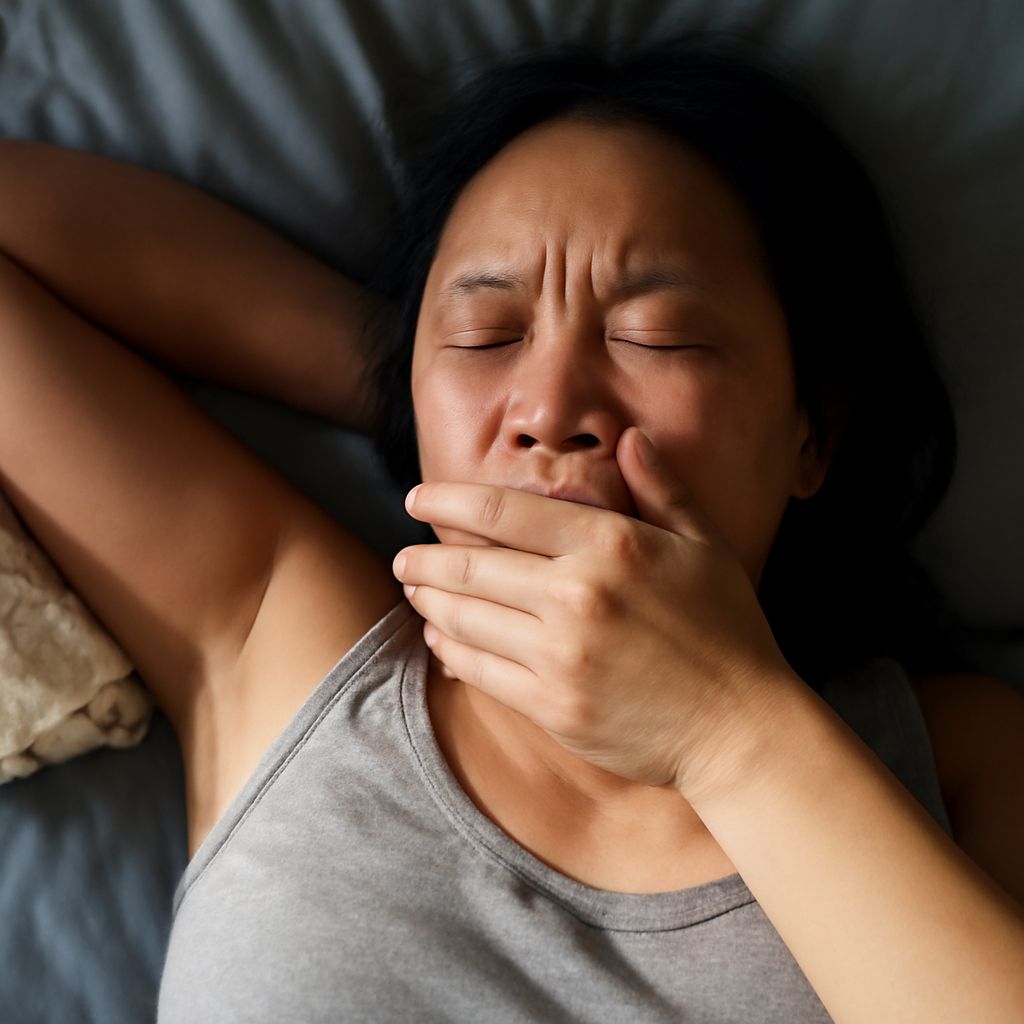
Can Sleep Apnea Kill You? Understanding the Risks
Sleep apnea is more than just a sleep disorder; it can significantly impact overall health. Understanding the difference between central sleep apnea vs obstructive sleep apnea is crucial in recognizing the potential dangers. These conditions pose serious risks, including the potential for central sleep apnea death. By exploring the distinctions and implications, individuals can take proactive steps to manage their health effectively.
How Sleep Apnea Affects Your Health
Understanding Sleep Apnea
Sleep apnea is a condition characterized by repeated interruptions in breathing during sleep. These pauses can last from a few seconds to minutes and may occur 30 times or more within an hour. The most common form, obstructive sleep apnea, occurs when the throat muscles intermittently relax and block the airway. Central sleep apnea, a less common type, involves the brain failing to send proper signals to the muscles that control breathing.
Can Sleep Apnea Kill You?
While the term “kill” might seem extreme, the question “can sleep apnea kill you?” is indeed valid when considering the severe health complications associated with untreated conditions. Sleep apnea contributes to increased blood pressure, heart disease, and stroke risk. Individuals suffering from the disorder often experience unrefreshing sleep, leading to daytime fatigue, impaired cognitive function, and decreased quality of life.
Comparing Central vs Obstructive Sleep Apnea
Central Sleep Apnea vs Obstructive Sleep Apnea
Distinguishing between central sleep apnea vs obstructive sleep apnea can be challenging. However, understanding the underlying causes is essential for effective treatment. Central sleep apnea results from a failure of communication between the brain and respiratory muscles, while obstructive sleep apnea is due to the physical obstruction of the airway. Symptoms often overlap, but the root causes differ significantly, affecting treatment approaches.
Obstructive vs Central Sleep Apnea
When comparing central vs obstructive sleep apnea, it becomes evident that both types require specific diagnostic evaluations. Polysomnography, or sleep study, is the gold standard for diagnosing these conditions. The test records various body functions during sleep, such as airflow, breathing patterns, blood oxygen levels, and brain waves. Recognizing the exact type of sleep apnea is critical for determining suitable interventions.
The Potential Dangers of Sleep Apnea
Central Sleep Apnea Death
The potential for central sleep apnea death, although considered rare, underscores the seriousness of respiratory disruptions during sleep. Oxygen deprivation, resulting from prolonged pauses in breathing, can lead to critical events, particularly in individuals with underlying heart conditions. Long-term management and continuous positive airway pressure (CPAP) therapy are often recommended to mitigate risks and improve patient outcomes.
In essence, untreated sleep apnea can have fatal consequences, emphasizing the importance of timely diagnosis and treatment. Individuals should be vigilant in observing symptoms such as loud snoring, abrupt awakenings with gasping, and persistent daytime drowsiness.
Pro tips recap: To manage sleep apnea effectively, undergo a comprehensive sleep evaluation, adhere to prescribed therapies such as CPAP, and maintain a healthy lifestyle to enhance overall well-being. Differentiating between central and obstructive sleep apnea is vital for personalized treatment plans.