Is Sleep Apnea a Disability? Understanding Your Rights
Sleep apnea, a condition that disrupts normal breathing patterns during sleep, affects millions worldwide. Its impact ranges from mild discomfort to severe health complications, potentially leading to chronic fatigue syndrome. Understanding whether sleep apnea is recognized as a disability can significantly influence one’s access to benefits and support systems.
For individuals suffering from chronic fatigue syndrome disability due to sleep apnea, it’s crucial to be informed about legal definitions and rights. Discover how sleep apnea is considered in disability evaluations and learn the steps to secure the support you need.
Is Sleep Apnea Considered a Disability?
Defining Sleep Apnea
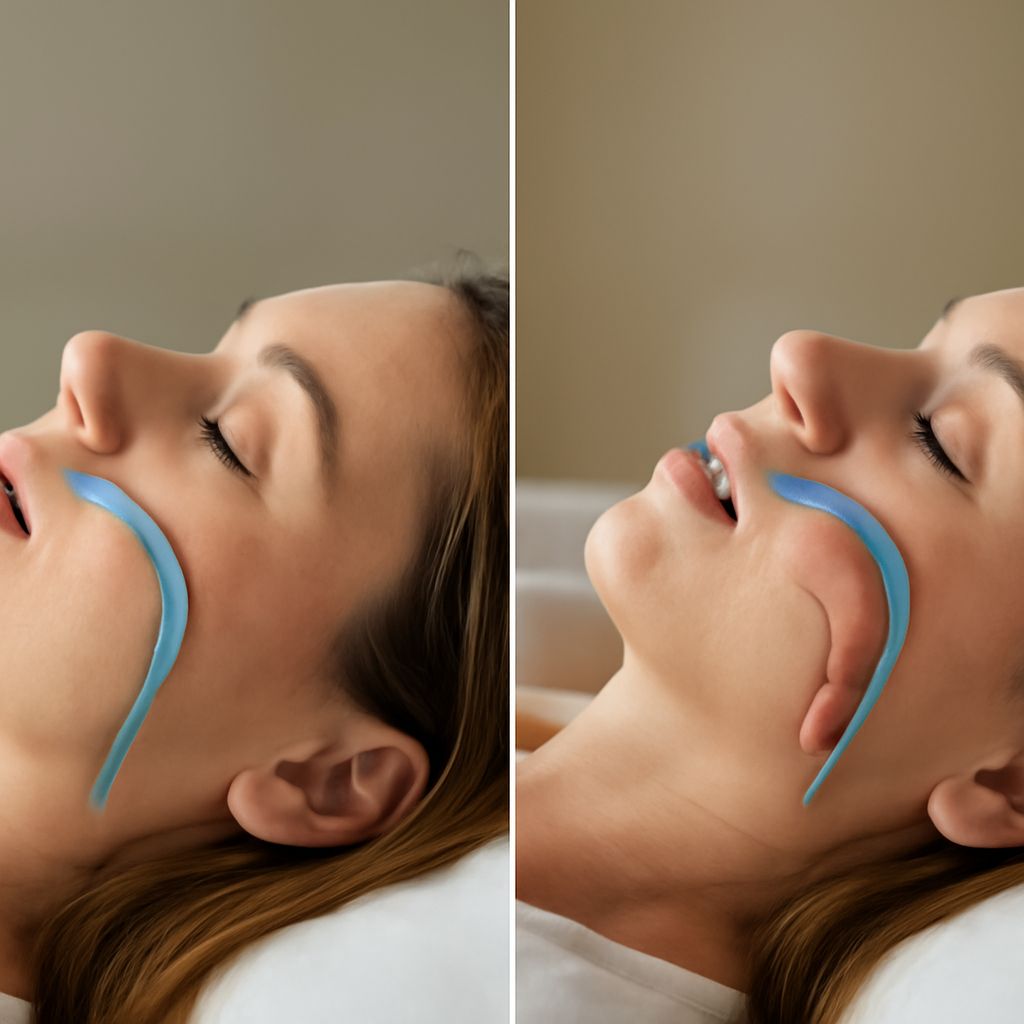
Sleep apnea is characterized by repeated interruptions in breathing during sleep, leading to poor sleep quality and other health problems. This condition generally falls into three types: obstructive, central, and complex sleep apnea syndromes. The most common, obstructive sleep apnea, occurs when throat muscles relax excessively.
The severity of sleep apnea is typically measured by the apnea-hypopnea index (AHI), which counts the number of pauses in breathing per hour of sleep. AHI scores determine whether the condition is mild, moderate, or severe, affecting how it might be evaluated for disability claims.
Legal Perspectives on Sleep Apnea and Disability
In legal contexts, sleep apnea can be recognized as a disability if it substantially limits one or more major life activities. The assessment often considers the extent of the condition’s impact on daily functioning and whether it impairs an individual’s ability to work.
Each case is evaluated individually. Medical documentation and expert evaluations play crucial roles in determining if sleep apnea qualifies as a disability. This process often involves examining how the condition affects not just sleep but overall health and productivity.
Chronic Fatigue Syndrome: A Disability Overview
Understanding Chronic Fatigue Syndrome
Chronic fatigue syndrome (CFS) is a complex disorder characterized by extreme fatigue that cannot be explained by any underlying medical condition. Its symptoms may worsen with physical or mental activity but do not improve with rest.
While its exact cause is unknown, CFS shares common symptoms with sleep apnea, such as unrefreshing sleep and cognitive difficulties. As a result, individuals with sleep apnea may experience compounded effects, raising questions about chronic fatigue syndrome disability status.
For CFS to be considered a disability, it must significantly affect the individual’s ability to perform daily activities. Detailed medical records and comprehensive evaluations are essential for validating the severity and impact of the condition.
Navigating the Disability Process
Tips for Applying for Disability
Applying for disability benefits due to sleep apnea or chronic fatigue syndrome requires careful preparation and thorough documentation. Here are some practical steps to enhance your application process:
- Gather Comprehensive Medical Records: Ensure all relevant medical documents, including diagnosis, treatment plans, and test results, are collected and organized. Having a detailed history helps build a strong case.
- Consult Medical Professionals: Obtain evaluations from healthcare providers who specialize in sleep disorders and chronic fatigue syndrome. Their expert opinions can provide invaluable support for your application.
- Demonstrate Impact on Daily Life: Clearly articulate how sleep apnea or chronic fatigue syndrome disability affects daily activities. Examples might include difficulties in maintaining employment or performing routine tasks.
- Seek Legal Advice: Consider consulting with a legal expert specializing in disability law to navigate complex application procedures and ensure compliance with all requirements.
- Prepare for Appeals: If initially denied, be prepared to appeal the decision. Understanding the appeals process and having additional supportive evidence can improve the chances of a favorable outcome.
Successfully navigating the disability application process requires patience and persistence. By understanding how sleep apnea and chronic fatigue syndrome are evaluated and ensuring comprehensive documentation, individuals can better advocate for the support and benefits they deserve.