How Many Hours Do Dogs Sleep and What Affects Their Rest
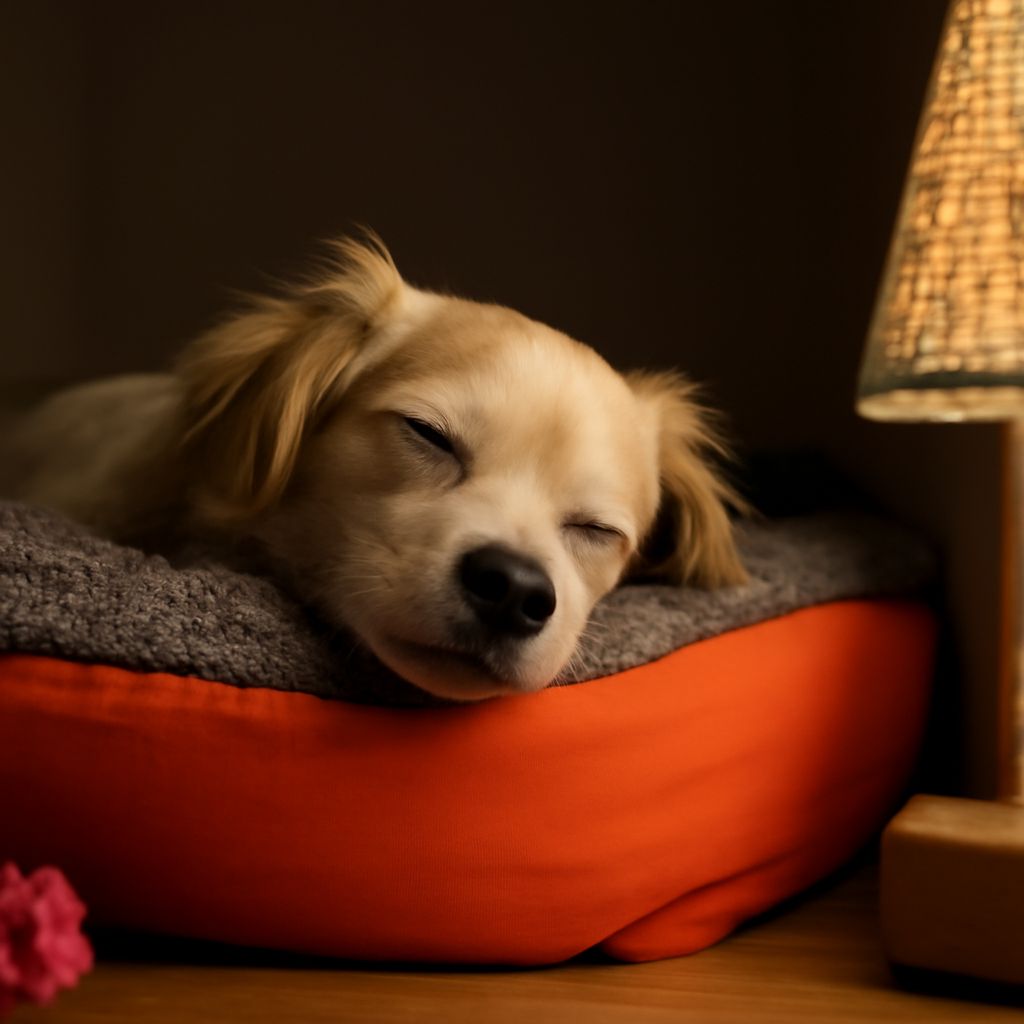
How many hours do dogs sleep is one of the most searched questions among new and experienced dog owners alike. The answer varies considerably by age, breed, and individual health — but the baseline is higher than most people expect. The average adult dog sleeps 12–14 hours per day, spread across both nighttime rest and daytime naps. This is nearly double the recommended sleep duration for humans and reflects fundamental differences in canine circadian biology.
How many hours of sleep do dogs need is not a fixed number but a range tied to the dog’s life stage and activity level. A working dog covering 20 miles of terrain daily needs different recovery time than a lap dog with minimal physical output. Understanding how much do dogs sleep a day under various conditions helps owners distinguish normal behavior from signs of illness. Knowing how much sleep does a dog need — and whether how much should dogs sleep is being met — supports better health monitoring and stronger owner-pet bonds.
Average Dog Sleep Hours by Age, Breed, and Health
Adult dogs between one and seven years typically sleep 12–14 hours per day when healthy. Large and giant breeds such as Great Danes, Saint Bernards, and Mastiffs often sleep 16–18 hours daily — their larger muscle mass requires more recovery time per unit of activity. Working and herding breeds like Border Collies and Australian Shepherds may sleep only 10–12 hours when adequately exercised, as their high drive and energy demand more wakeful engagement time.
Brachycephalic breeds — dogs with compressed facial anatomy such as Bulldogs, Pugs, and French Bulldogs — frequently have disrupted sleep quality despite spending more time lying down. Their airway anatomy increases the risk of canine obstructive sleep apnea, a condition characterized by snoring, frequent arousals, and daytime hypersomnolence. These dogs may lie down for 16 hours yet achieve less restorative sleep than a Standard Poodle who sleeps 12 focused hours without interruption.
Health conditions alter sleep patterns predictably. Hypothyroidism, which reduces metabolic rate, is associated with significantly increased sleep time — sometimes 18 hours or more per day alongside weight gain and coat changes. Anemia, pain from arthritis, and heart disease all increase the resting time a dog requires. A sudden, sustained increase in sleep time of two or more hours per day warrants a veterinary check rather than assumption that the dog is simply aging.
Puppies and Senior Dogs: Why They Sleep More
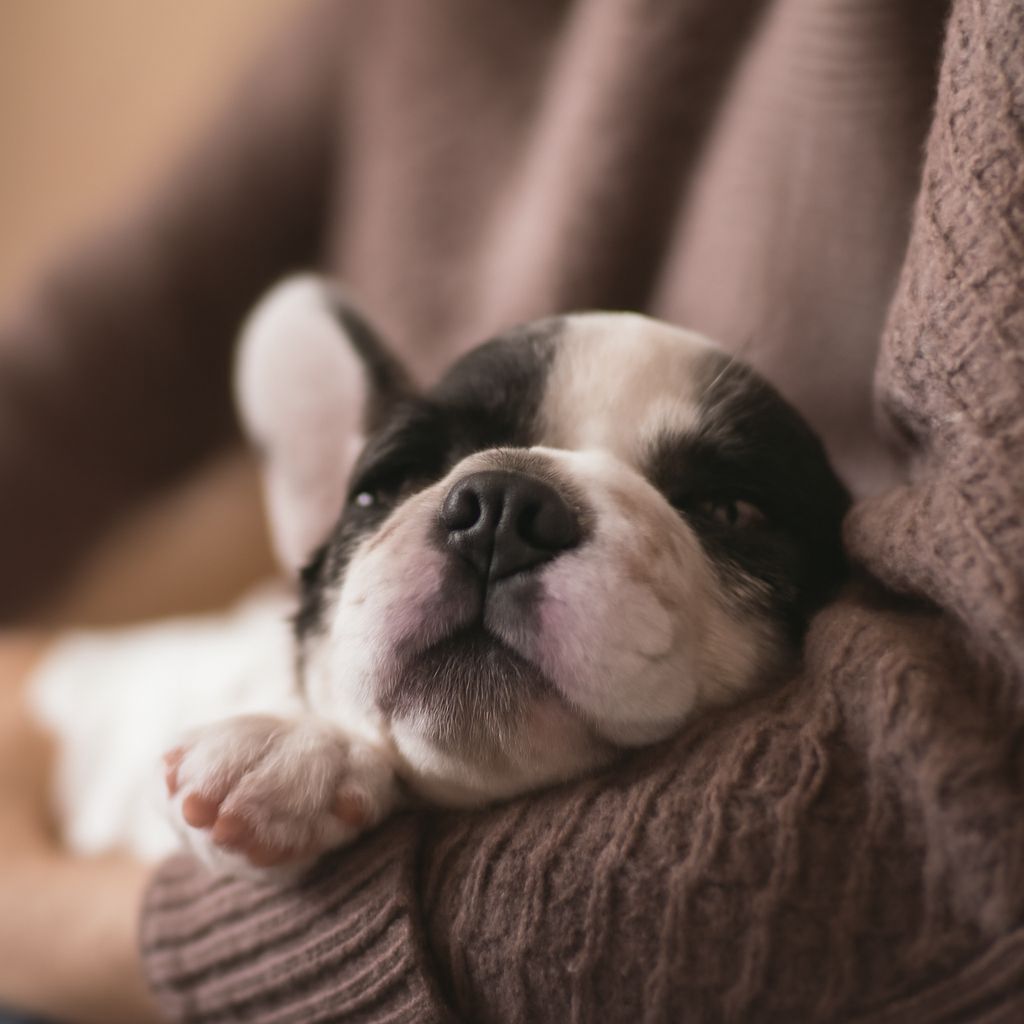
Puppies under six months of age sleep 18–20 hours per day. This extreme sleep requirement reflects the energy demands of rapid growth: bone mineralization, neural development, and immune system maturation all occur primarily during sleep. Growth hormone in dogs, as in humans, is released in pulses during slow-wave sleep. Puppies that are prevented from sleeping adequately during this phase show measurably impaired social learning and reduced immune response to vaccinations.
Senior dogs — typically defined as those over seven years for large breeds and over ten years for small breeds — also sleep more than their adult counterparts. Age-related changes in sleep architecture reduce the proportion of deep sleep, meaning more total time is required to achieve equivalent recovery. Canine cognitive dysfunction syndrome, analogous to dementia in humans, disrupts normal day-night sleep distribution: affected dogs may sleep more during the day and pace or vocalize at night, inverting the typical sleep-activity cycle.
Signs That a Dog Is Sleeping Too Much or Too Little
Assessing how much should dogs sleep requires baseline knowledge of the individual dog’s normal patterns. A dog that routinely sleeps 14 hours and suddenly sleeps 18 has increased sleep by 29% — a meaningful change. Tracking sleep time informally over two weeks provides a useful baseline for comparison when symptoms appear.
Too little sleep in dogs is less commonly recognized but equally important. Dogs that sleep under 10 hours consistently — particularly those in high-stimulation environments without adequate rest space — show elevated cortisol levels, increased reactivity to stimuli, and impaired learning. Providing a quiet, dedicated sleep area away from household traffic helps dogs achieve uninterrupted sleep cycles.
Signs warranting veterinary attention include: sudden onset of hypersomnia lasting more than five days, difficulty rising after sleep, vocalization during sleep suggesting pain, or failure to rouse normally when approached. Sleep-related muscle twitching during REM is normal. Rigid, sustained muscle contractions during sleep may indicate a seizure disorder and require immediate evaluation.
Key takeaways: How many hours do dogs sleep depends on age, breed, and health — expect 12–14 hours for most adult dogs and up to 20 for puppies. Large breeds and brachycephalic dogs tend toward the higher end of the range. Any sustained change in sleep duration of two or more hours per day is worth discussing with a veterinarian.