Sleep Apnea Quiz: Do I Have Sleep Apnea? VA Service Connection Guide
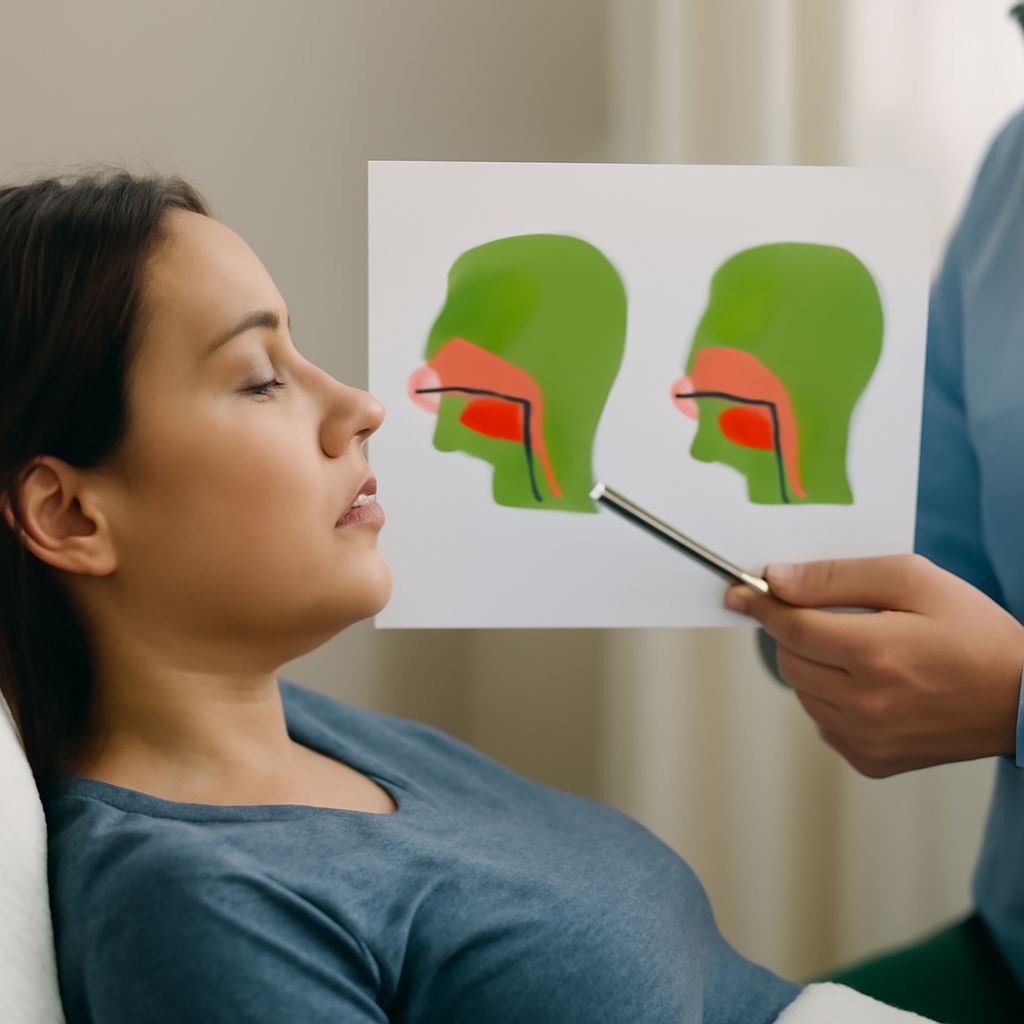
A sleep apnea quiz is often the first step people take when they suspect their chronic tiredness, morning headaches, or partner’s complaints about snoring might indicate a real medical condition. A well-designed do i have sleep apnea quiz uses validated questions drawn from clinical screening tools — the Berlin Questionnaire, the Epworth Sleepiness Scale, and the STOP-BANG questionnaire — to stratify risk into low, moderate, and high categories. While a quiz cannot diagnose sleep apnea (only a sleep study can do that), it serves as a meaningful gateway to deciding whether to pursue formal evaluation.
For veterans specifically, sleep apnea questions intersect with a complex benefits landscape. CFR 38 sleep apnea refers to the VA’s regulatory framework for rating and compensating sleep apnea as a service-connected disability, and the question of how to prove sleep apnea is service connected has become one of the most important in veteran healthcare administration. Understanding both the clinical and administrative dimensions of sleep apnea questions is essential for veterans navigating the VA disability system.
Understanding Sleep Apnea Screening Questions
The most clinically validated sleep apnea questions used in risk stratification tools include:
- Snoring: Do you snore loudly enough to be heard through a closed door or louder than talking? (Yes/No)
- Observed apneas: Has anyone observed you stop breathing or choking during sleep? (Yes/No)
- Treated hypertension: Do you have or are you being treated for high blood pressure? (Yes/No)
- BMI: Is your BMI greater than 35? (Yes/No)
- Age: Are you older than 50? (Yes/No)
- Neck circumference: Is your neck circumference greater than 40 cm (15.7 inches)? (Yes/No)
- Gender: Are you male? (Yes/No)
The STOP-BANG score (0–8) derived from these sleep apnea questions classifies risk: scores of 0–2 are low risk, 3–4 are intermediate risk, and 5–8 are high risk for moderate-to-severe OSA. A do i have sleep apnea quiz based on STOP-BANG has a sensitivity of approximately 93% for detecting moderate-to-severe apnea in clinic populations, making it a reliable first filter.
CFR 38 Sleep Apnea and VA Service Connection
CFR 38 sleep apnea refers to Title 38 of the Code of Federal Regulations, specifically the VA Schedule for Rating Disabilities (38 CFR § 4.97, Diagnostic Code 6847 for sleep apnea syndromes). Under this framework, sleep apnea is rated at:
- 0%: Documented sleep disorder without persistent daytime hypersomnolence.
- 30%: Persistent daytime hypersomnolence present.
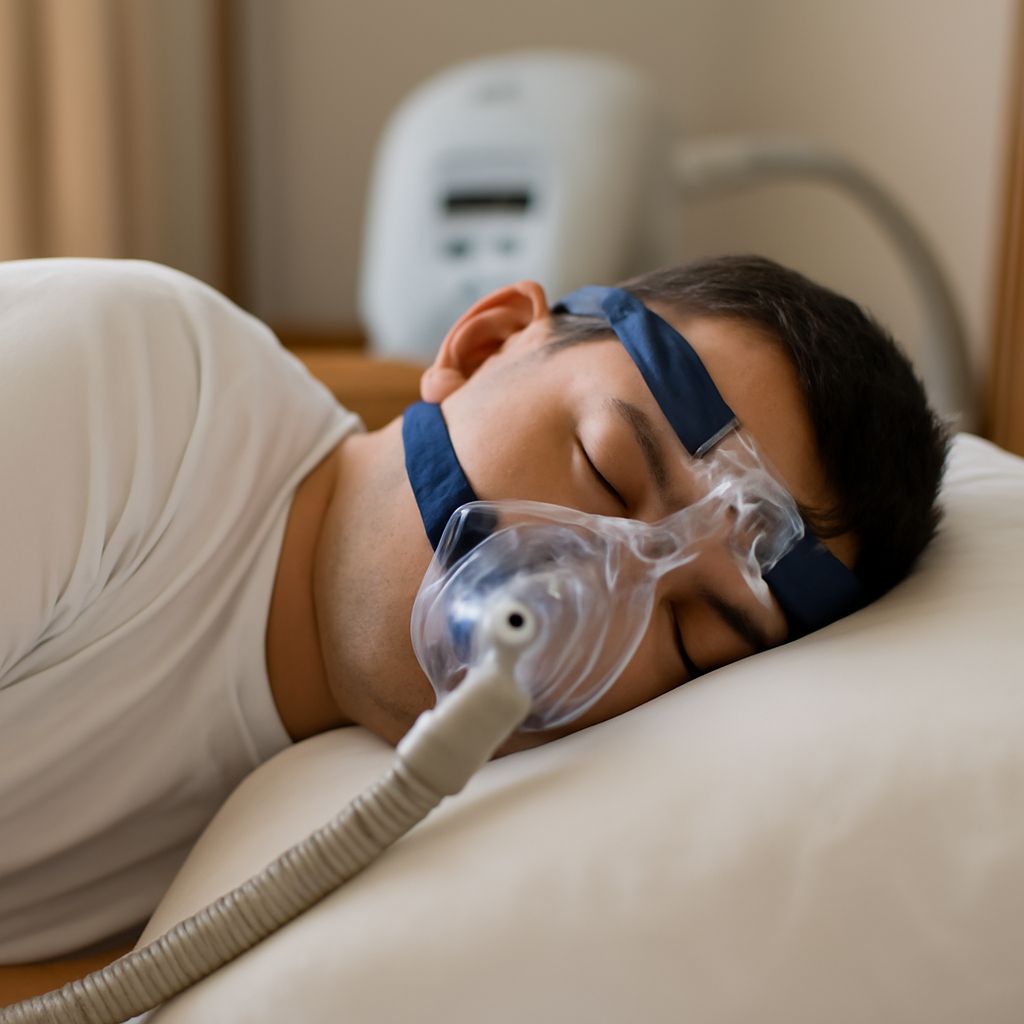
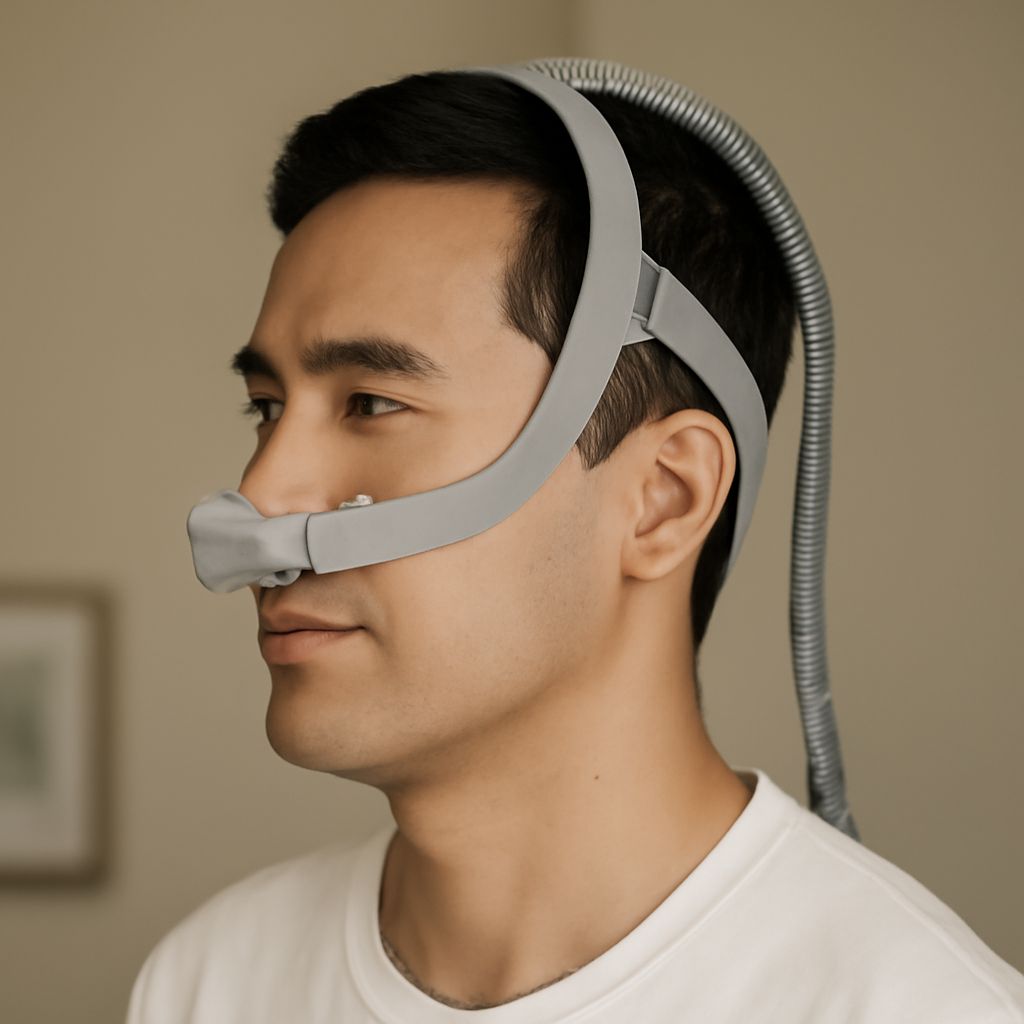
- 50%: Requires use of breathing assistance device (CPAP/BiPAP/APAP).
- 100%: Chronic respiratory failure with carbon dioxide retention or cor pulmonale, or requires tracheostomy.
How to prove sleep apnea is service connected requires establishing a nexus between the veteran’s military service and the sleep apnea diagnosis. Three pathways exist:
- Direct service connection: The sleep apnea began during active duty service. In-service sleep study, in-service medical records noting snoring, fatigue, or breathing problems, or a buddy statement from a fellow service member who witnessed apnea episodes constitutes supporting evidence.
- Secondary service connection: The sleep apnea developed as a result of another service-connected condition — most commonly PTSD (hyperarousal causes sleep disruption and may aggravate OSA), TBI, obesity secondary to a service-connected mental health condition, or chronic pain conditions.
- Aggravation: A pre-existing sleep disorder was worsened beyond its natural progression by military service.
A nexus letter from a private physician or VA-affiliated clinician explicitly stating the connection between military service and the current OSA diagnosis is the most powerful single piece of evidence in a sleep apnea service connection claim.