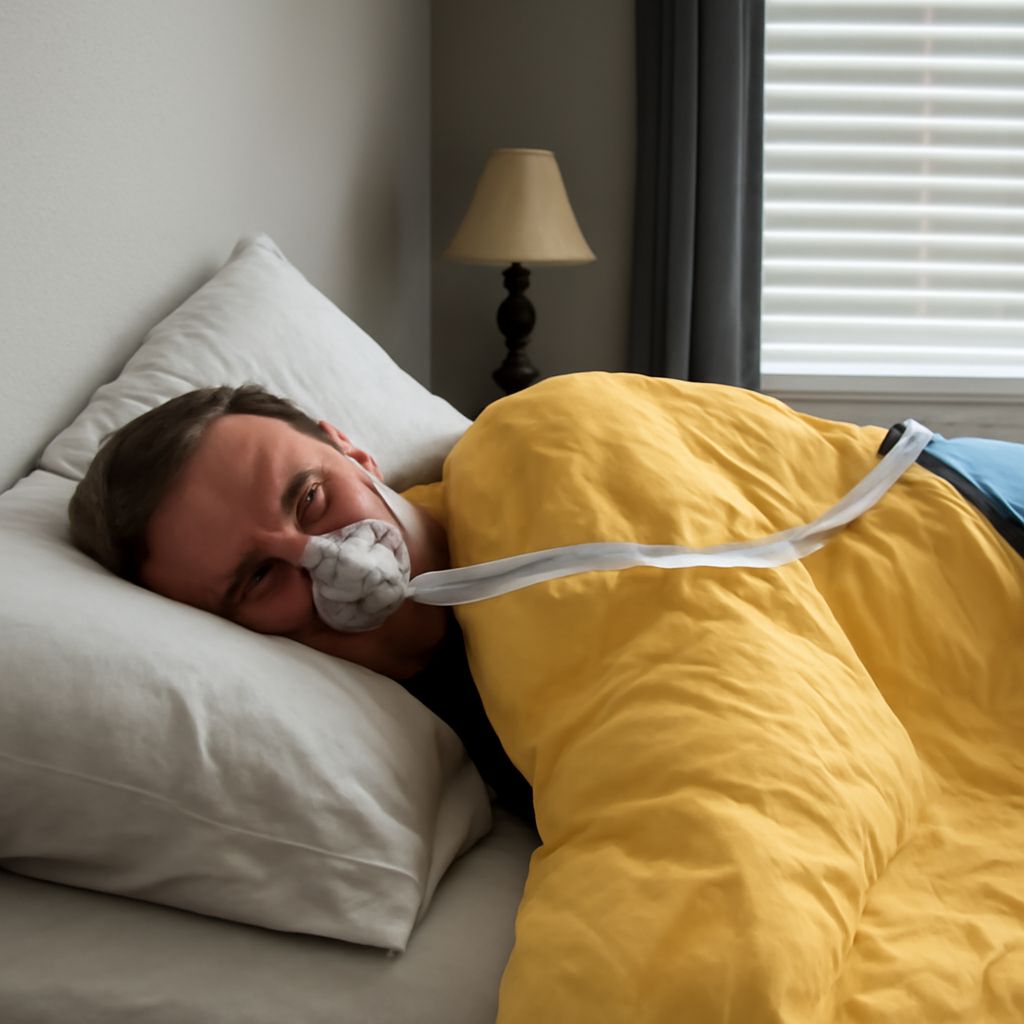
Is Sleep Apnea Genetic? Hereditary Risk, Dizziness, and What to Do
Is sleep apnea genetic? The research is clear: genetics play a significant role in obstructive sleep apnea risk. Twin studies estimate that 40–70% of the variance in OSA susceptibility is heritable, and first-degree relatives of people with OSA have a two to four times higher risk of developing the condition compared to the general population. Whether sleep apnea hereditary patterns follow a single-gene or polygenic model is a more complex question — the current evidence points to polygenic inheritance, with multiple genes each contributing small but additive effects to overall risk.
Sleep apnea genetic factors operate through several anatomical and physiological pathways. Understanding whether sleep apnea is hereditary helps families identify who should be screened and at what age, particularly given the significant health consequences of untreated OSA. Sleep apnea dizziness — often experienced upon waking or as positional lightheadedness throughout the day — is a recognized symptom of sleep-disordered breathing that may be the presenting complaint that leads to diagnosis in some patients.
The Genetic Pathways in Sleep Apnea
Is sleep apnea hereditary through a single mechanism? No — the genetic contributions to OSA operate through at least three distinct pathways:
- Craniofacial structure: Jaw and facial bone geometry is highly heritable and determines the physical space available for the upper airway. A retrognathic (recessed) mandible, high-arched palate, and narrower maxillary arch are all strongly familial traits that reduce pharyngeal cross-sectional area and increase OSA susceptibility. Several specific genes involved in craniofacial development (including those on chromosome 2p25 and 3p14) have been associated with OSA risk in genome-wide association studies (GWAS).
- Upper airway muscle responsiveness: The genioglossal muscle (which protrudes the tongue) must maintain adequate tone during sleep to keep the airway open. Variability in hypoglossal nerve sensitivity and upper airway neuromuscular response to hypoxia is partly genetic, explaining why some people maintain airway patency during the same sleep stage in which others collapse.
- Obesity susceptibility: Since obesity is both a major risk factor for OSA and highly heritable (estimated heritability 40–70%), genes that increase obesity risk indirectly increase OSA risk through increased upper airway fat deposition.
Sleep Apnea Dizziness: Cause and Mechanism
Sleep apnea dizziness typically manifests in two distinct patterns:
- Morning dizziness upon waking: Caused by the abrupt transition from the hypercarbic (elevated CO₂) state of severe apnea to normal ventilation upon waking. The cerebral vasodilation induced by hypercapnia reverses rapidly as normal breathing resumes, and the resulting changes in cerebral perfusion pressure produce a transient dizzy sensation lasting 2–10 minutes.
- Positional lightheadedness during the day: Patients with severe untreated OSA sometimes experience daytime orthostatic-type dizziness because chronic autonomic dysregulation from repeated sympathetic activation during apnea events impairs blood pressure regulation in response to positional changes.
Distinguishing sleep apnea dizziness from other causes (benign paroxysmal positional vertigo, labyrinthitis, orthostatic hypotension) requires noting the temporal pattern (morning onset versus random occurrence versus position-change triggering), accompanying symptoms, and response to initial OSA treatment. CPAP therapy typically resolves morning dizziness within two to four weeks in confirmed OSA patients.
What Sleep Apnea Genetic Risk Means Clinically
For someone with a first-degree relative diagnosed with OSA, the elevated sleep apnea genetic risk justifies earlier screening — regardless of whether the person currently has classic symptoms like loud snoring or witnessed apneas. A home sleep apnea test (HSAT) is inexpensive, widely available without an overnight lab stay, and can identify moderate-to-severe OSA with good sensitivity.
Modifiable risk factors deserve particular attention in genetically predisposed individuals. Even those who inherit unfavorable craniofacial anatomy can reduce OSA severity by maintaining a healthy weight (preventing additional narrowing from pharyngeal fat deposition), sleeping in the lateral position (reducing AHI by 30–50% in positional OSA), and avoiding alcohol and sedatives within three hours of bedtime.
Sleep apnea is hereditary in the sense that the anatomical and physiological substrates are inherited — but behavioral and environmental factors determine how severely those substrates are expressed as clinical disease. This distinction is important: having the genetic risk does not make OSA inevitable, and knowing the risk creates an opportunity for preventive action.