Does CPAP Stop Snoring? Understanding CPAP and Snoring Outcomes
Does cpap stop snoring? For the vast majority of people with obstructive sleep apnea, the answer is yes — when the device is properly fitted and used consistently. CPAP (continuous positive airway pressure) works by delivering a constant stream of pressurized air through a mask, which acts as a pneumatic splint that holds the upper airway open throughout the night. When the airway remains open, the vibration of soft tissue that produces snoring cannot occur, and the sound stops almost immediately from the first night of effective therapy.
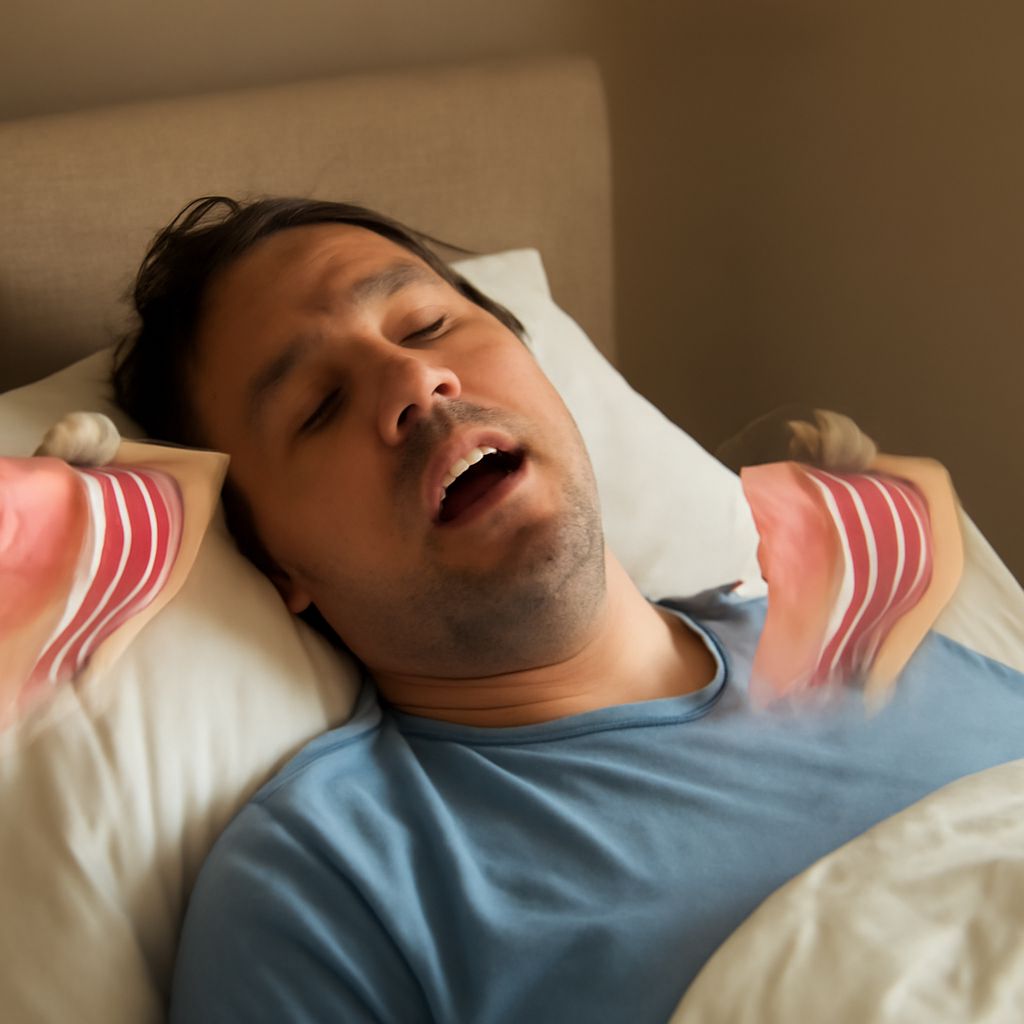
However, the reality is more nuanced. Some users find they are still snoring with cpap, which is a clear signal that something in the therapy setup is not working correctly. The causes range from insufficient pressure to mask leak to positional factors that reduce the device’s effectiveness. Cpap for snoring without diagnosed sleep apnea is a separate clinical scenario with its own considerations. And for patients still snoring with cpap despite apparent compliance, a systematic troubleshooting approach usually identifies the problem within one to two appointments. Understanding cpap snoring interactions requires knowing both how the device works and what can go wrong.
How CPAP Eliminates Snoring
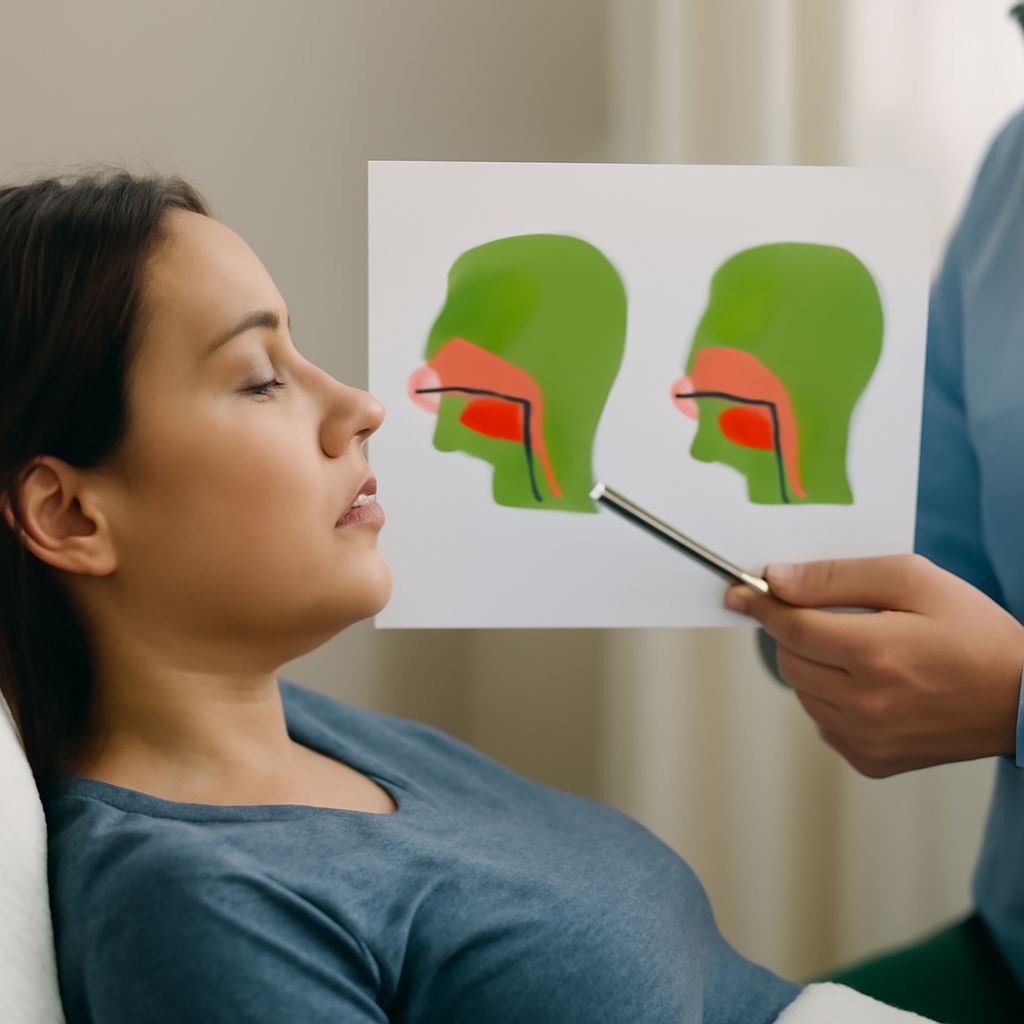
Snoring occurs when partially obstructed airflow causes pharyngeal soft tissues — the soft palate, uvula, base of tongue, and lateral pharyngeal walls — to vibrate. In obstructive sleep apnea, this partial obstruction progresses to complete collapse. CPAP prevents both outcomes by maintaining positive pressure throughout the breathing cycle, keeping tissues away from the airway lumen.
The minimum effective pressure varies by individual and is determined during a titration study or by an auto-titrating CPAP (APAP) algorithm. Most patients are effectively treated between 6–12 cm H₂O, with the median around 8 cm H₂O. At the correct pressure, cpap snoring is eliminated because the physical preconditions for vibration are removed — there is simply no partial obstruction for tissues to vibrate against.
Why Some Users Are Still Snoring With CPAP
Snoring with cpap despite using the device is a recognized problem with several common causes:
- Insufficient pressure: The most common cause. If the prescribed pressure does not hold the airway fully open, partial obstruction persists. Solution: review CPAP data (residual AHI) and request a pressure adjustment if the residual AHI exceeds 5 events per hour.
- Mask leak: Air escaping around the mask seal reduces delivered pressure. Large leaks (above 24 L/min) undermine therapy entirely. Solution: try a different cushion size, adjust headgear tension, or switch mask styles (nasal pillow, full face, nasal).
- Position changes: Sleeping on the back can cause tongue base obstruction even at adequate pressures. Solution: positional training or a positional alarm device to encourage side sleeping.
- Congestion: Nasal congestion increases airway resistance, reducing effective pressure delivery. Solution: saline rinse, nasal steroid spray, or switching from nasal CPAP to a full-face mask during illness.
- New weight gain: Increased neck circumference raises the pressure required to maintain airway patency. Solution: repeat titration study or APAP pressure range adjustment.
CPAP for Snoring Without Sleep Apnea
Cpap for snoring in patients without diagnosed obstructive sleep apnea is generally not recommended as a first-line treatment. For primary snoring (snoring without apnea or significant oxygen desaturation), alternatives with stronger evidence and better tolerability include mandibular advancement devices (MADs), positional therapy, and uvulopalatoplasty (UPPP) for select anatomical presentations.
That said, some patients with primary snoring that severely disrupts bed partner sleep are prescribed APAP off-label after failing other interventions. In these cases, the device works by the same mechanism — airway stenting — but the benefit-to-burden ratio must be weighed against the ongoing commitment of nightly device use.
Key takeaways: CPAP is highly effective at eliminating cpap snoring when properly fitted and at the correct pressure. Persistent snoring with CPAP is a fixable problem requiring systematic troubleshooting of pressure, mask fit, and sleep position. For patients without sleep apnea, cpap for snoring is a secondary option after other treatments have been tried.