Sleep Apnea Headache: Why Apnea Causes Head Pain and What to Do
A sleep apnea headache is a distinct clinical pattern — a dull, bilateral ache present upon waking that typically resolves within 30 minutes of rising. While many people assume morning head pain stems from dehydration or tension, research confirms that can sleep apnea cause headaches through a well-understood mechanism: repeated oxygen desaturation during apnea events causes cerebral vasodilation, and the resulting changes in vascular tone produce characteristic morning pain. Treating the apnea typically eliminates the headache entirely.
For those wondering does sleep apnea cause headaches beyond the morning window, the answer is nuanced: while the morning pattern is most diagnostic, untreated apnea can also contribute to chronic daily headache and worsen migraine frequency. Can sleep apnea cause migraines? Evidence supports a bidirectional relationship — apnea exacerbates migraine through sleep fragmentation and autonomic nervous system dysregulation. Understanding sleep apnea and headaches together allows for a treatment approach that addresses both conditions simultaneously.
The Mechanism Behind Apnea-Caused Head Pain
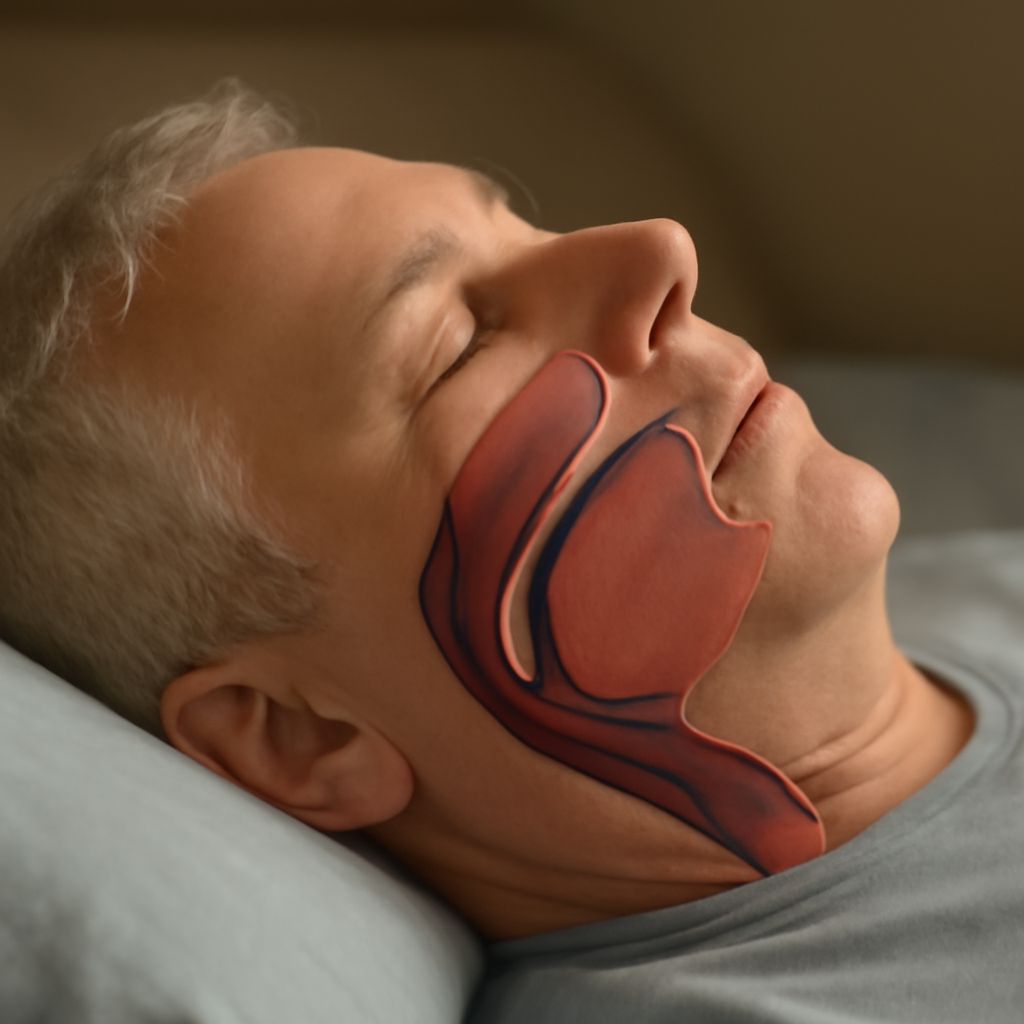
During an obstructive apnea event, the airway collapses completely for 10 seconds or longer. Oxygen saturation (SpO2) drops, often falling from a baseline of 95–99% to 80–90% or below in severe cases. Carbon dioxide simultaneously accumulates in the blood — hypercapnia — which acts as a potent vasodilator. The cerebral blood vessels expand in response, and this expansion, along with the subsequent restoration of normal breathing, creates the vascular pressure changes that manifest as a throbbing or pressure-type morning headache.
The pattern diagnostic of a sleep apnea headache includes:
- Present on waking at least 15 days per month
- Bilateral (both sides of the head)
- No nausea, no photophobia or phonophobia
- Resolves spontaneously within 30 minutes of waking
- Associated with diagnosed or suspected sleep-disordered breathing
This distinguishes it from tension-type headaches (which are typically mid-day or evening), migraines (which involve nausea and light sensitivity), and cervicogenic headaches (which have a clear neck-origin trigger).
Can Sleep Apnea Cause Migraines?
The question of whether can sleep apnea cause migraines involves multiple pathways. First, sleep fragmentation from apnea events disrupts the restorative sleep that normally lowers migraine threshold. Second, autonomic nervous system activation — the fight-or-flight response triggered by each apnea episode — alters trigeminal nerve excitability, a key factor in migraine pathogenesis. Third, the inflammatory mediators released during hypoxic episodes can sensitize central pain pathways over time.
Several retrospective studies have found that migraineurs with comorbid sleep apnea experience a 40–60% reduction in migraine frequency following successful CPAP therapy. This effect appears independent of sleep duration changes, suggesting the mechanism is specific to apnea resolution rather than simply improved rest.
Diagnosing and Treating Apnea-Related Headaches
When a patient presents with recurring morning headaches, a thorough evaluation of sleep apnea and headaches together should include screening questions about snoring, witnessed apneas, and daytime sleepiness. The Epworth Sleepiness Scale and STOP-BANG questionnaire are validated tools that take under five minutes to complete and have reasonable sensitivity for identifying high-risk patients.
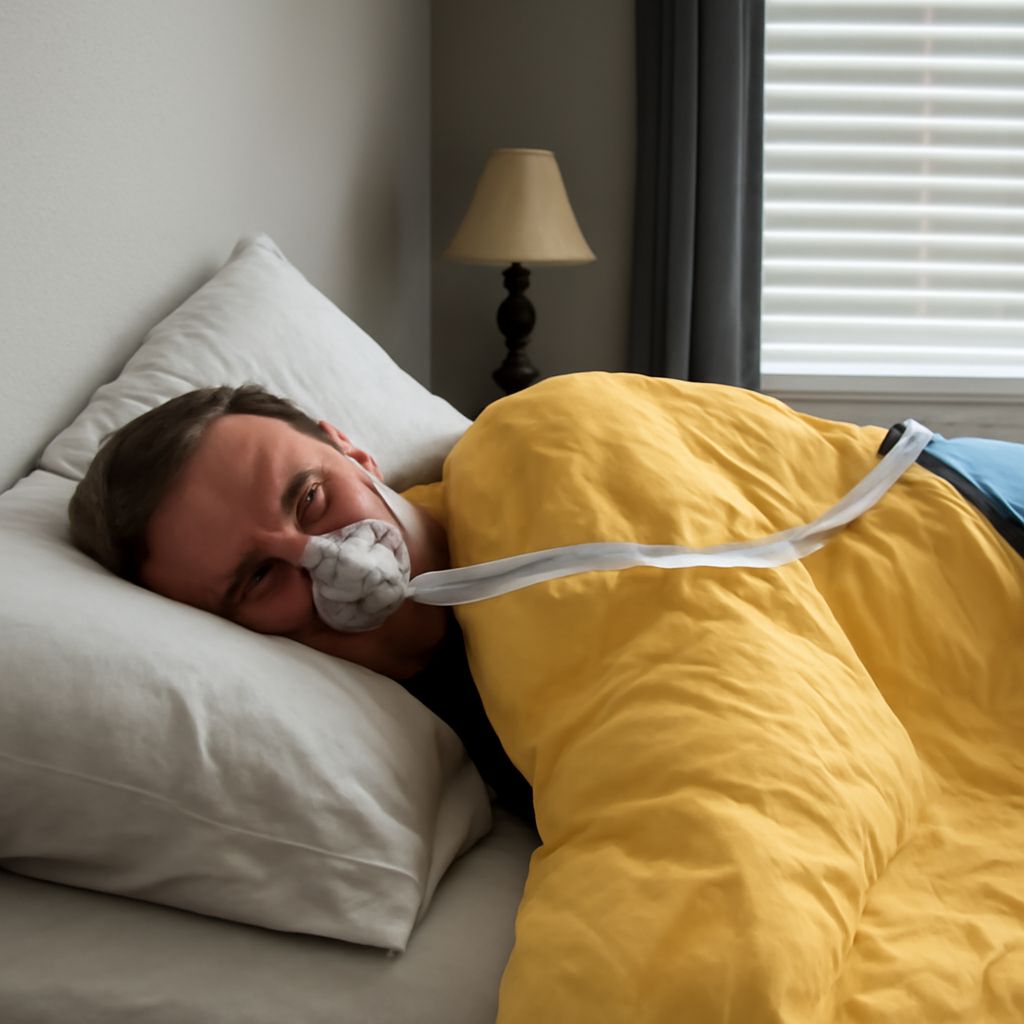
Confirming the diagnosis with a home sleep apnea test (HSAT) or in-lab polysomnography is essential before attributing headaches to apnea definitively. Once confirmed, CPAP therapy is first-line. Most patients with genuine sleep apnea headaches experience complete or near-complete headache resolution within two to four weeks of consistent CPAP use (defined as four or more hours per night on 70% or more of nights).
For those in whom CPAP is not tolerated, mandibular advancement devices achieve similar oxygen saturation improvements for mild-to-moderate apnea, and positional therapy (sleeping on the side) reduces AHI by 30–50% in patients with position-dependent disease.
Bottom line: Sleep apnea headaches are specific, diagnosable, and highly treatable. Anyone experiencing morning headaches that resolve within 30 minutes of rising — particularly alongside snoring, non-refreshing sleep, or witnessed pauses in breathing — should be evaluated for sleep-disordered breathing as a primary cause.