Chin Strap for CPAP: Managing ADHD Fatigue and Sleep Apnea Together
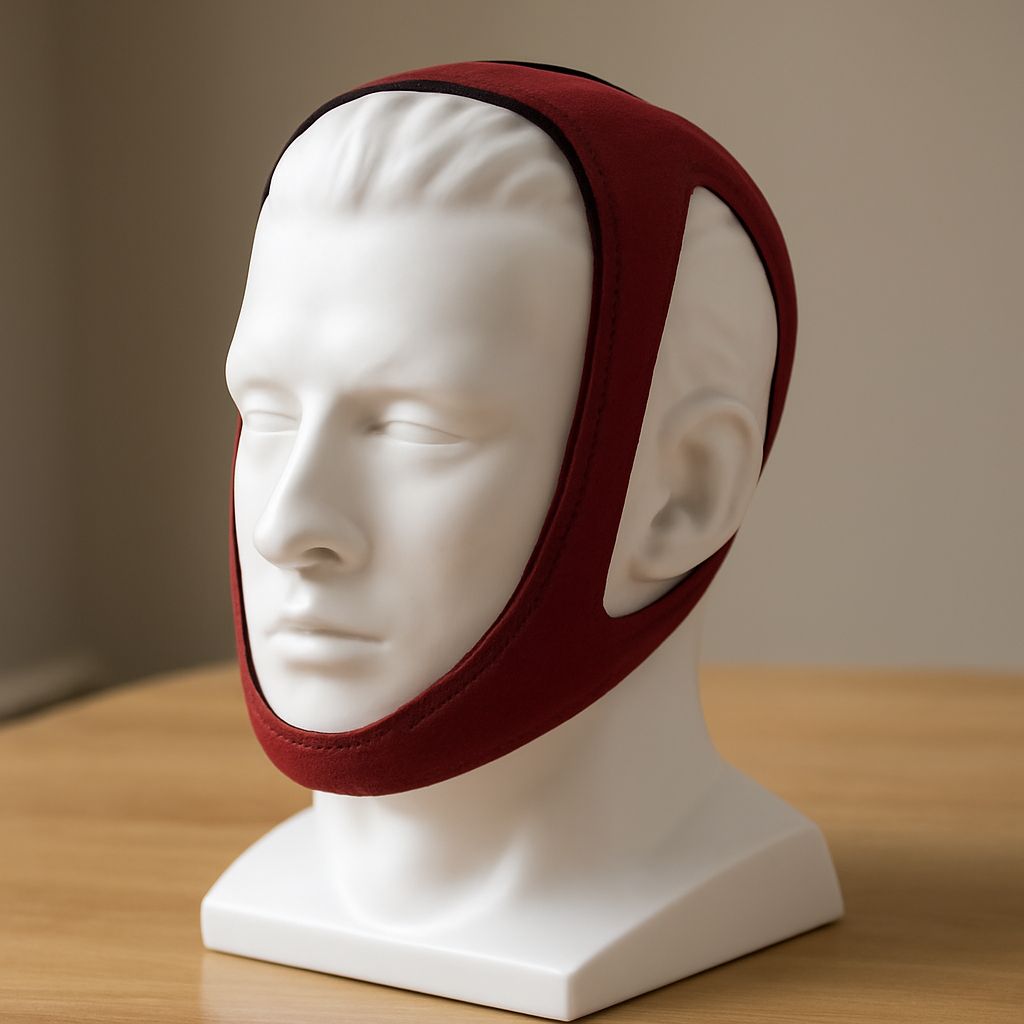
A chin strap for cpap solves one of the most frustrating problems in CPAP therapy: mouth opening during sleep, which causes air to escape and destroys the therapy’s effectiveness. When pressurized air exits through an open mouth rather than flowing through the airway as intended, the therapeutic pressure drops, apneas resume, and the patient wakes feeling as though they never used the device at all. A well-fitted sleeping chin strap keeps the jaw gently closed throughout the night, redirecting airflow through the nose and preserving the treatment pressure.
Chin straps for sleep apnea represent only one piece of a broader management puzzle for patients dealing with the overlap of sleep-disordered breathing and attention difficulties. ADHD fatigue is a recognized and debilitating symptom: the neural hyperarousal characteristic of ADHD creates chronic cortical overactivation that interferes with restorative sleep, and the resulting sleep debt amplifies attentional problems during waking hours. ADHD and fatigue compound each other — poor sleep worsens ADHD symptoms, and ADHD-related hyperarousal disrupts sleep architecture — making the treatment of both conditions simultaneously essential for meaningful improvement.
How a Chin Strap for CPAP Improves Therapy
Mouth breathing during nasal CPAP therapy is estimated to affect 40–60% of users at some point during treatment. When the mandible drops during sleep relaxation, air escapes through the path of least resistance — the open mouth. This is quantifiable: CPAP machines record leak data, and any leak rate above approximately 24 liters per minute (L/min) is considered large and clinically significant, meaning it compromises therapy delivery.
A chin strap for cpap works by applying gentle upward and forward pressure on the mandible, keeping the teeth in light occlusion or the lips in contact throughout the night. Key considerations for selecting the right model:
- Full chin cup vs. chin sling: Full cup designs provide more jaw support for heavy mouth-openers; sling designs are lighter and cooler for mild cases.
- Material: Neoprene is durable but warm; breathable fabric blends reduce sweat accumulation during warmer months.
- Adjustment: Look for hook-and-loop (Velcro) closure with at least three inches of adjustment range to fit different head circumferences.
- Compatibility: Verify the chin strap does not interfere with the mask seal or hose routing of the specific CPAP mask in use.
Most users adapt to sleeping chin strap comfort within three to five nights. If discomfort persists or jaw pain develops, this may indicate that the strap is applying excessive pressure — a looser fit that still maintains lip closure is preferable to a tight fit that strains the temporomandibular joint.
ADHD Fatigue and Its Relationship to Sleep Apnea
Adhd fatigue manifests differently from the sleepiness caused by simple sleep deprivation. People with ADHD typically describe a paradoxical exhaustion — physically tired but mentally unable to disengage and fall asleep. This state, sometimes called “tired but wired,” reflects dysregulated arousal systems that cannot downshift on demand. Studies using actigraphy show that adults with ADHD have significantly higher sleep onset latency (average 60–90 minutes vs. 15–20 minutes in controls) and more frequent nighttime awakenings.
When adhd and fatigue interact with comorbid sleep apnea — which occurs at rates two to four times higher than in the general population — the combined burden on daytime functioning is severe. Treating the sleep apnea first often produces measurable improvements in attention, emotional regulation, and processing speed within four to six weeks, even before ADHD medications are optimized. This suggests that a significant portion of what appears to be ADHD symptom burden in some patients is actually the cognitive consequence of untreated sleep-disordered breathing.
For patients managing both conditions simultaneously: consistent CPAP use with a chin strap for sleep apnea to prevent mouth-leak, combined with structured sleep timing and behavioral strategies for ADHD-related sleep-onset difficulties, produces better outcomes than addressing either condition in isolation.