Neck Pain from Sleeping: Why It Happens and How to Fix It Fast
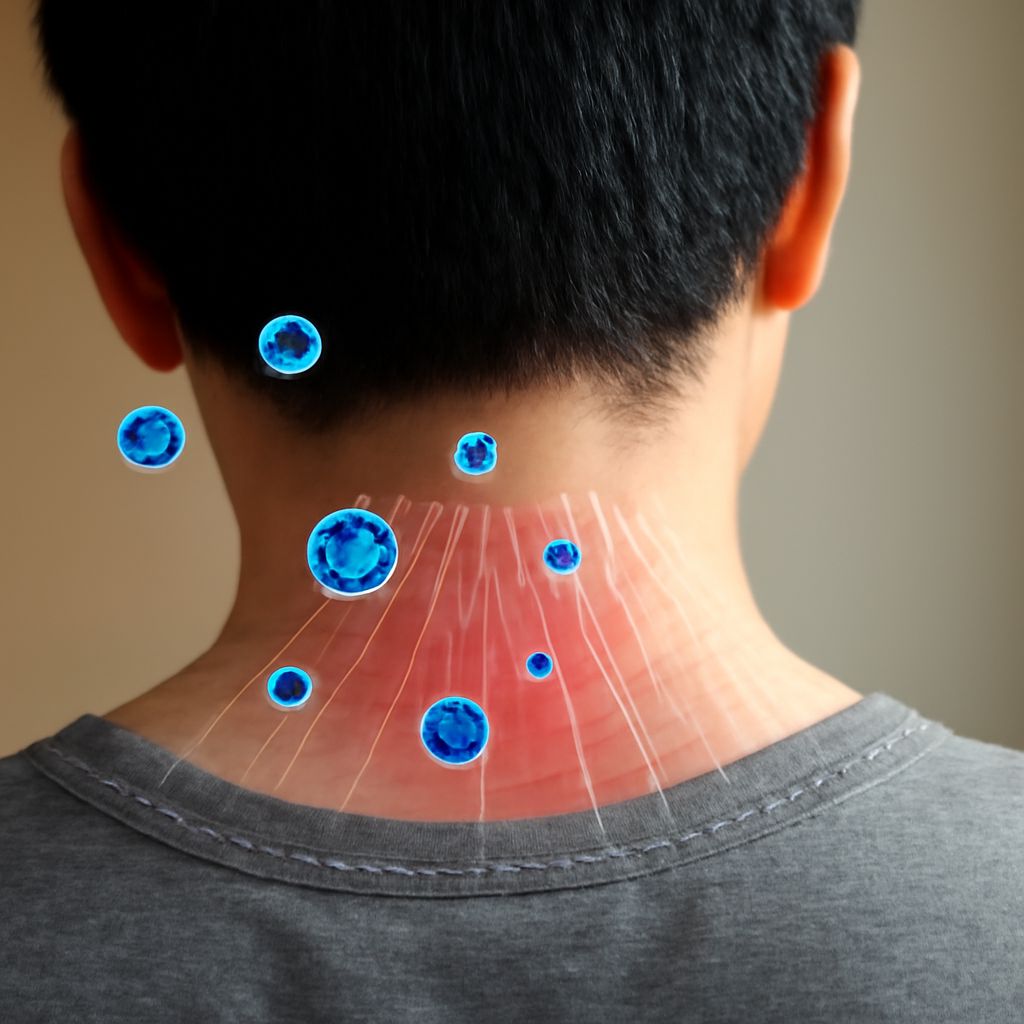
Neck pain from sleeping is among the most common causes of morning stiffness, and the majority of cases resolve within two to five days once the mechanical cause is identified and corrected. How to get rid of neck pain from sleeping wrong starts with understanding that the cervical spine has a natural lordotic curve that must be maintained during sleep to prevent sustained muscle loading. Severe neck pain after sleeping, particularly the kind that makes turning the head feel like pulling against resistance, usually indicates that the neck spent hours in a position that compressed one or more cervical facet joints or overstretched the posterior cervical muscles.
Neck pain after sleep that recurs on the same side every morning points to a positional problem rather than a structural one. Neck pain sleeping wrong occurs most often when the pillow is too flat for a side sleeper, too thick for a back sleeper, or when a person falls asleep on the couch or in a chair with the neck unsupported. The fix is usually equipment and position correction rather than medical treatment.
Causes and Immediate Relief for Neck Pain from Sleeping
The pillow is responsible for most cases of neck pain from sleeping. Side sleepers need a pillow that fills the gap between the shoulder and the ear completely, usually four to six inches for average adults, to hold the head in line with the spine. A pillow that is too thin allows the head to drop toward the mattress, loading the upper trapezius and levator scapulae muscles on the lower side with sustained stretch. For back sleepers, the ideal pillow height is three to four inches, enough to support the cervical curve without pushing the chin toward the chest. How to get rid of neck pain from sleeping wrong when the cause is pillow height: replace the pillow before the next sleep rather than waiting to see if the pain resolves on its own.
Immediate relief for severe neck pain after sleeping begins with heat rather than ice for muscle-related pain. A moist heat pack applied to the neck for 15 to 20 minutes within 30 minutes of waking relaxes the muscle guarding that developed overnight. Ice is appropriate only in the first 24 to 48 hours after an acute structural injury, not for chronic positional neck pain. OTC NSAIDs like ibuprofen (400 mg) taken with breakfast reduce inflammatory pain and allow more natural range of motion for the first day of recovery.
Gentle range-of-motion exercises reduce stiffness faster than rest alone. The sequence: chin tucks (pull the chin straight back without tilting, 10 reps holding two seconds), slow lateral tilts (ear toward shoulder, stopping before pain, five reps per side), and slow rotations (looking left and right, five reps per side, stopping before pain). These movements pump synovial fluid into the facet joints and restore normal gliding movement without loading the injured tissue. Complete the sequence twice daily, once immediately after applying heat in the morning and once in the evening before bed.
Neck pain after sleep that involves radiating pain into the arm, numbness or tingling in the fingers, or significant weakness in the grip requires prompt medical evaluation to rule out cervical disc herniation or nerve root compression. These presentations do not improve with pillow changes alone and may need imaging, physical therapy, or specialist referral. Neck pain sleeping wrong without any radiation symptoms typically does not require imaging and should respond to position correction within three to five days.