Nasal Mask CPAP: How to Choose and Fit One That Works
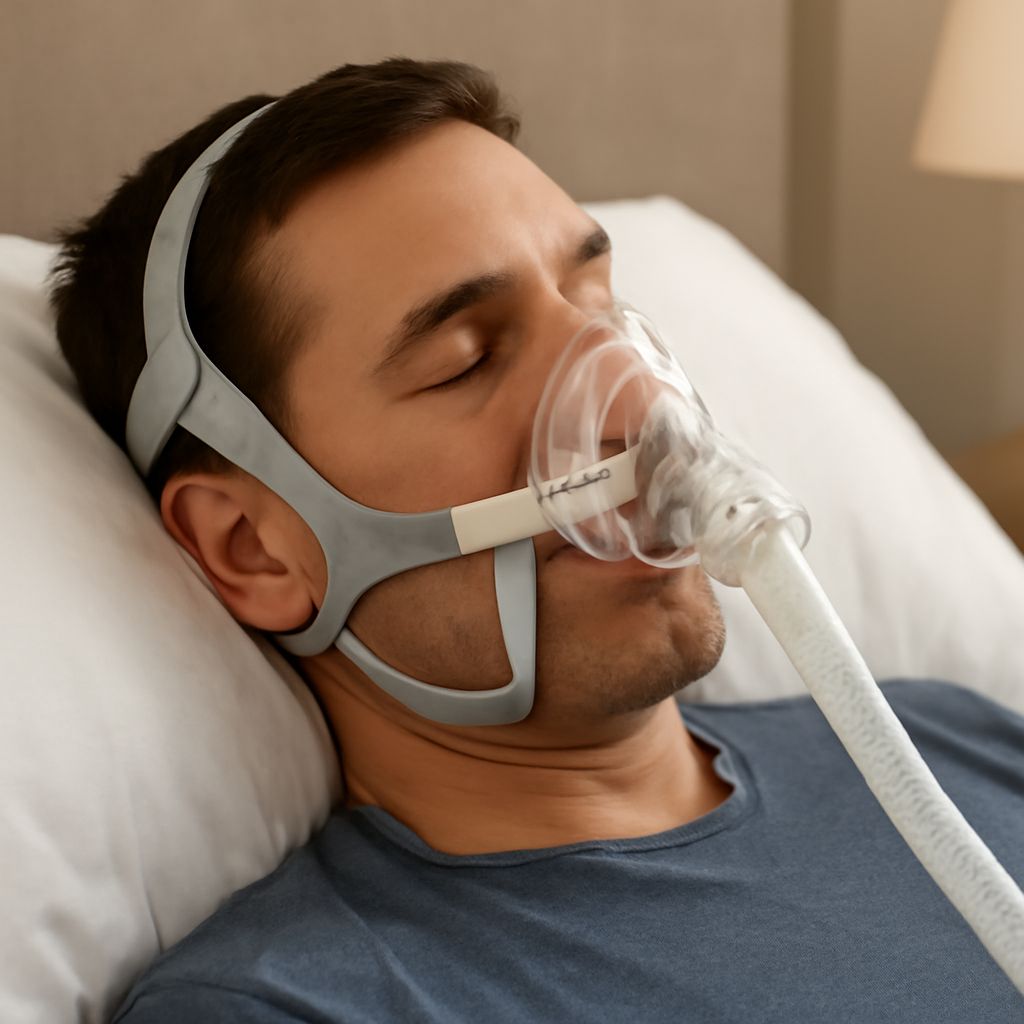
A nasal mask CPAP covers just the nose, making it smaller, lighter, and easier to tolerate than full-face alternatives for most users. The cpap nose piece design, which sits over or under the nose depending on the style, delivers pressurized air through nasal passages in a way that matches natural breathing anatomy. Nasal cpap masks are the most commonly prescribed mask category because they work across the widest range of pressure settings and face shapes. Cpap masks nasal designs have also seen the most innovation in the past decade, producing lighter frames, softer cushion materials, and reduced facial contact areas that most users find more comfortable than older models.
A sleep apnea nose mask works only when the mouth stays closed during sleep. For mouth breathers, a chin strap can be added to keep the jaw closed, but if mouth breathing is significant and consistent, a full-face mask is usually the more practical solution. This guide focuses on helping nose-breathing CPAP users choose, size, and fit a nasal mask for consistent nightly therapy.
Types of Nasal Mask CPAP Designs
Standard nasal mask cpap designs cover the nose bridge and extend to just above the upper lip, creating a seal around the full nose outline. These work well at pressures from 4 to 20 cm H2O and are the most widely stocked option at HME dealers. The ResMed AirFit N20 and Philips DreamWear Nasal are the two most prescribed standard nasal cpap masks as of 2024, both using dual-wall cushion technology that adjusts to facial contours more accurately than single-wall silicone designs.
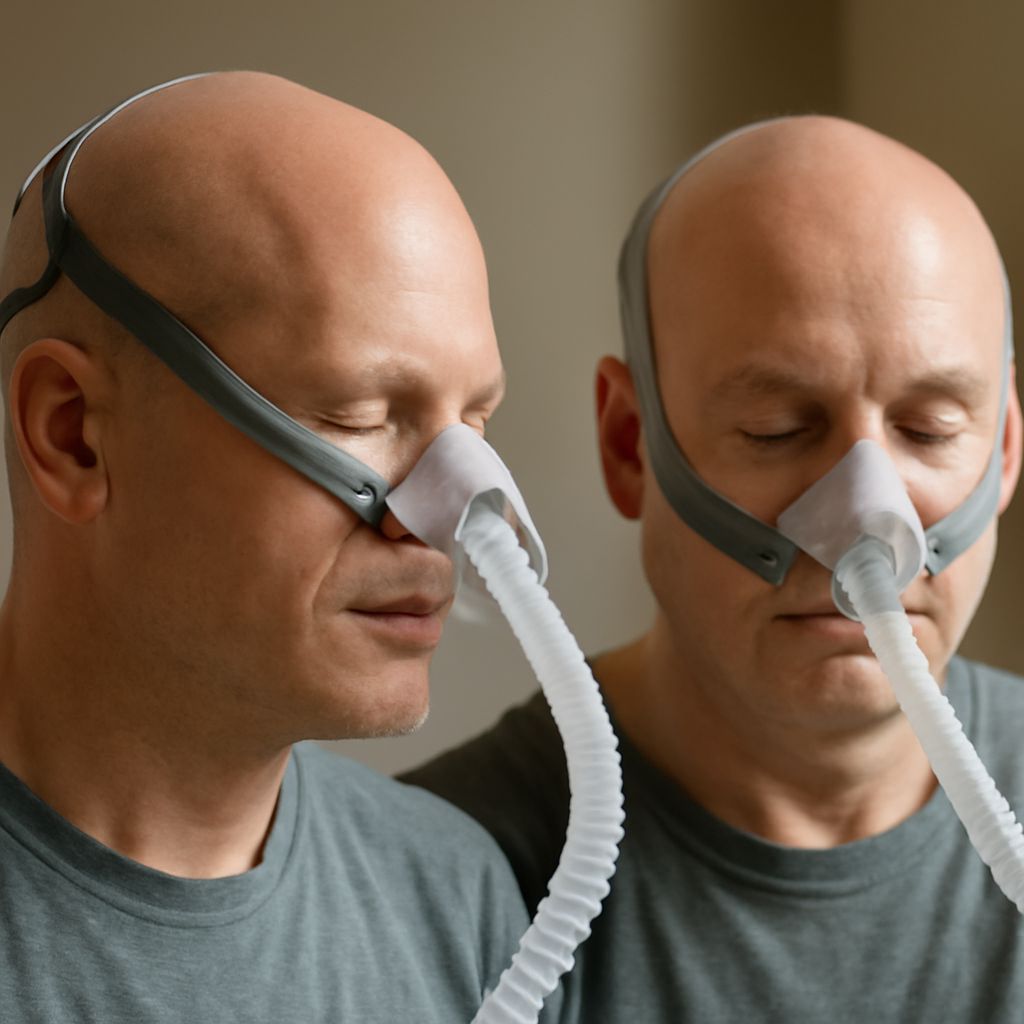
Nasal pillow designs insert directly into the nostrils using small cone-shaped cushions. This cpap nose piece style has minimal facial contact, is easy to fit, and works well for side sleepers and people with claustrophobia. The limitation is pressure sensitivity: nasal pillows become uncomfortable above 14 to 15 cm H2O because the air jet enters directly into the nostril without the diffusion that a standard cushion provides. The ResMed AirFit P10 and Fisher and Paykel Brevida are the highest-rated nasal pillow options for comfort and seal consistency.
Under-nose cushion designs, sometimes called nasal cradle masks, seal below the nose rather than over the bridge. This eliminates the redness and pressure marks that some users develop on the nose bridge from standard nasal cpap masks. The cradle seal covers a smaller area of the face than standard designs, which makes it suitable for people with sensitive skin or those who have tried multiple standard nasal masks without achieving a comfortable fit.
How to Size a Nasal CPAP Mask Correctly
Every major brand provides a sizing gauge in the mask packaging. Use it. Most people assume their face is a medium, but ResMed’s own data shows that small and small-wide cushions fit the majority of adult women and a significant percentage of men. An incorrectly sized cushion in a standard nasal mask causes air to escape under the nose or along the sides, creating leak rates above 24 liters per minute that reduce therapy effectiveness and cause noise that wakes the user or partner. Spend two minutes with the sizing gauge before assembling the mask for the first time.
Fitting and Maintaining Your Sleep Apnea Nose Mask
Fit the mask while lying down in the sleep position, not while sitting upright. The face shifts shape slightly between sitting and lying, and a seal that seems adequate while seated can leak as soon as the head hits the pillow. Put the mask on, connect the hose, and turn the machine to the ramp setting. Lie in the normal sleep position and check for air leaks by feel and by listening for the hiss of escaped air. Tighten the headgear only until the leak stops, not further. Overtightening distorts the cushion and creates new leak pathways.
Cleaning the nasal mask cpap cushion daily extends its seal life and reduces the infection risk from skin oil buildup. Wipe the cushion with a CPAP mask wipe or slightly damp cloth every morning. Full disassembly with warm water and mild soap weekly removes the oils that break down silicone over time. Replace the cushion every 30 days under standard insurance guidelines, or sooner if leaks develop at a fit that was previously leak-free. The headgear should be hand-washed weekly and air-dried flat to maintain elasticity.
People who wake with a dry or stuffy nose while using a sleep apnea nose mask almost always benefit from adding a heated humidifier or increasing the humidifier setting. Nasal dryness from CPAP is caused by high-velocity dry air passing through the nasal passages. Heated humidification at a chamber temperature of 60 to 65°C and a tube temperature of 27°C typically resolves dryness within three to five nights. Using distilled water in the humidifier prevents mineral scale deposits that otherwise require monthly manual cleaning.