Sleep Apnea Events Per Hour: What Your AHI Score Means
Sleep apnea events per hour, measured as the Apnea-Hypopnea Index (AHI), is the primary metric used to diagnose sleep apnea severity and guide treatment decisions. CPAP events per hour in the machine’s nightly compliance report reflects how many breathing events occurred per hour of sleep despite therapy, which tells both the patient and the prescriber how effective the current pressure setting is. Understanding sleep apnea levels requires knowing what the AHI thresholds mean and what changes in that number indicate over time.
Sleep study AHI results are reported as a simple number: 5 means 5 events per hour on average across the total sleep recording time. What is considered mild sleep apnea? The AASM classifies AHI 5 to 14 as mild, AHI 15 to 29 as moderate, and AHI 30 or above as severe. A person with an untreated AHI of 45 and a treated (on CPAP) AHI of 3 is receiving highly effective therapy. An untreated AHI of 12 and treated AHI of 8 suggests the CPAP pressure setting is not fully controlling the condition.
How to Read Your Sleep Apnea AHI and CPAP Data
Sleep study AHI comes from a polysomnography (PSG) or home sleep apnea test (HSAT). The raw number counts obstructive apneas (airway closed, effort present), central apneas (no airway effort), and hypopneas (partial reduction in airflow plus oxygen desaturation or arousal) per hour. The CPAP events per hour shown on the machine’s display or compliance app only counts residual events that occur during therapy, and most modern CPAP machines do not detect central apneas as accurately as a sleep lab. This means in-machine data underestimates total apnea burden in people with central or complex apnea.
Sleep apnea levels on the compliance report should be interpreted alongside mask leak data and total usage time. An AHI of 3 with a mask leak of 40 liters per minute and only 4.5 hours of use is a misleading result: the low event count may reflect that the machine could not accurately detect events through the leak rather than that events were controlled. A clean AHI reading requires leak below 24 liters per minute for most masks and usage of the full sleep period.
What Is Considered Mild Sleep Apnea and When Does It Need Treatment?
What is considered mild sleep apnea by the numbers (AHI 5 to 14) does not always correspond to mild symptoms. Some people with an AHI of 8 have severe daytime sleepiness, cognitive impairment, and blood pressure effects. Others with an AHI of 12 are asymptomatic. Treatment decisions for mild sleep apnea weigh the AHI number alongside symptom severity, cardiovascular risk factors, and patient preference. CPAP is the first-line treatment for symptomatic mild sleep apnea. Oral appliances are an alternative for mild cases where CPAP is not tolerated.
Tracking Sleep Apnea Events Per Hour Over Time
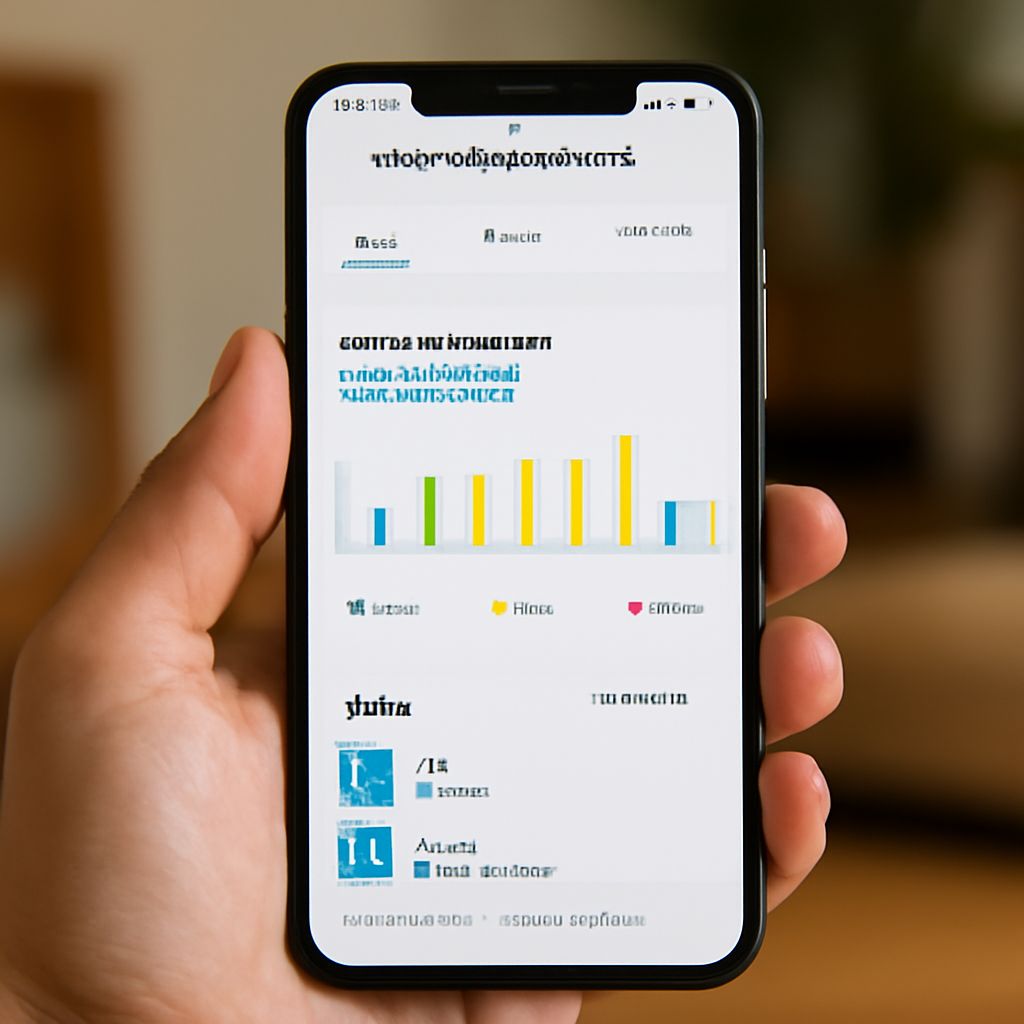
The most useful application of CPAP events per hour data is trend tracking rather than single-night snapshots. Downloading a 30-day compliance report from the CPAP machine’s app (ResMed myAir, Philips DreamMapper, or ResMed AirView for clinical users) shows the 30-day average AHI trend, the 90th percentile pressure used by auto-adjusting machines, and the percentage of nights with leak above threshold. A stable 30-day average AHI below 5 with consistent usage is the target for effective CPAP therapy. An AHI trending upward over weeks suggests weight changes, pressure needs review, or mask fit degradation.
Sleep apnea levels respond to life changes. Weight gain of 10% or more typically increases AHI by 30 to 50% even on a fixed CPAP pressure, because adipose tissue around the upper airway increases collapsibility. Alcohol consumed within three hours of sleep relaxes upper airway muscles and can cause a single-night AHI spike of 2 to 5 times the normal value. Position changes, particularly shifting from primarily side sleeping to back sleeping, produce similar AHI increases because supine positioning is the worst posture for airway patency. Tracking these factors alongside CPAP events per hour data builds a clearer picture of what drives individual apnea burden.