Hip Pain When Sleeping on Side: Causes, Positions, and Fixes
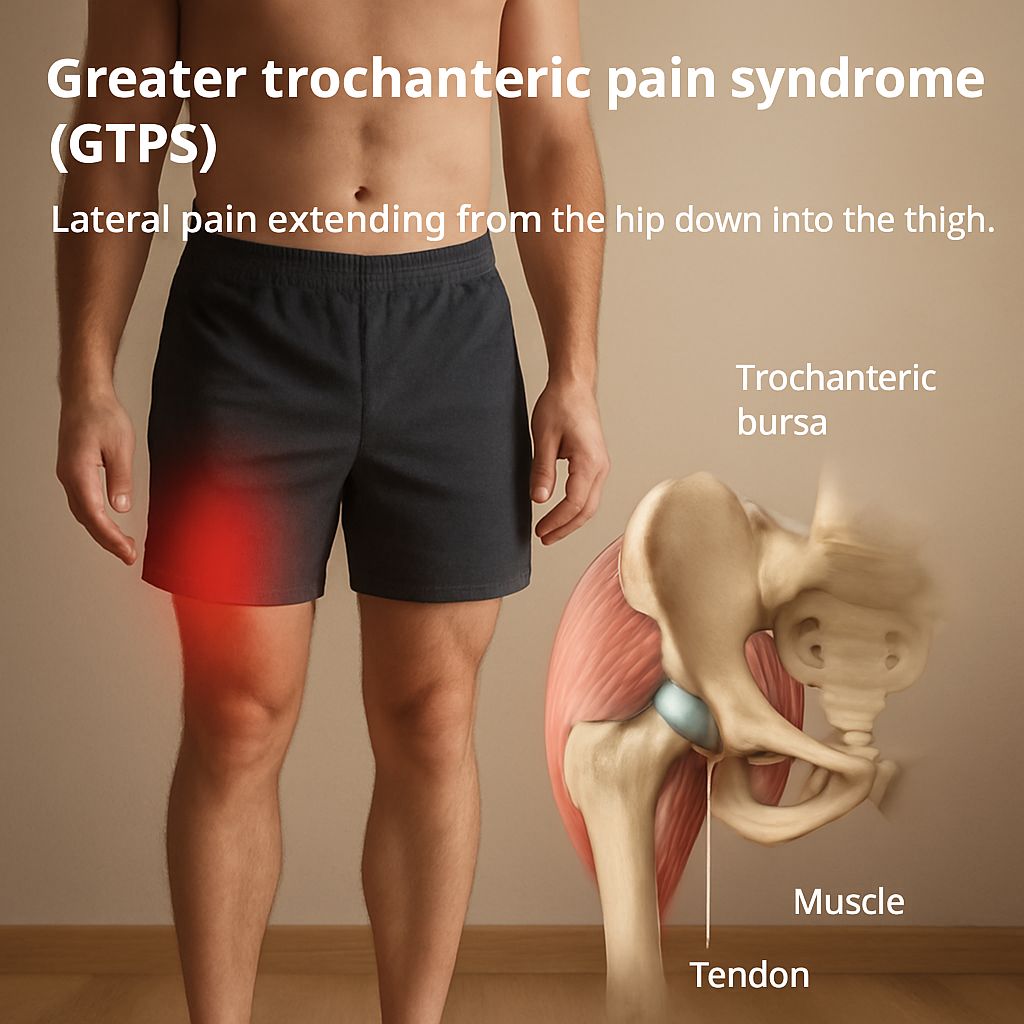
Hip pain when sleeping on side is one of the most common complaints among side sleepers, and the cause is almost always mechanical compression rather than joint degeneration. Hip pain from sleeping on side concentrates on the outer hip, specifically the greater trochanter and the iliotibial band that runs over it, when the mattress is too firm to allow the hip to sink sufficiently. Hip pain sleeping on side can also develop from the opposite problem: a mattress so soft that the hip sinks too deeply, rotating the pelvis and loading the piriformis and hip abductors in a sustained stretch. Hips hurt when sleeping on side in a pattern that is consistent and reproducible night after night is almost always positional rather than pathological.
Hip pain when sleeping on either side is less common than unilateral hip pain and suggests a systemic cause rather than a position problem. Bilateral hip pain that is worse in the morning and eases with 30 minutes of movement points toward inflammatory arthritis. Unilateral hip pain that is worst at the point of greatest contact with the mattress, and resolves within minutes of standing, points to trochanteric bursitis or IT band irritation from sustained compression.
Specific Causes of Hip Pain When Sleeping on Side
Greater trochanteric bursitis is responsible for the majority of outer hip pain from sleeping on side cases. The bursa is a fluid-filled sac that sits between the IT band and the greater trochanter to reduce friction. When compressed for hours against a firm mattress, it becomes inflamed. The pain is typically sharp and localized to the outer hip, often waking the sleeper between 2 and 4 AM when the inflammatory response reaches its peak. Moving to a different position or getting up and walking reduces it within a few minutes.
IT band syndrome produces a similar outer-hip pain but is more diffuse and extends from the hip toward the knee. Hip pain sleeping on side with IT band involvement is worse in people who run, cycle, or spend extended time seated during the day, because these activities chronically tighten the IT band before sleep. The sustained compression of side sleeping on a tight IT band triggers pain faster than in people with normal IT band tension.
Osteoarthritis of the hip produces groin-dominant pain rather than outer hip pain. Hips hurt when sleeping on side due to arthritis typically feels like a deep ache in the groin or front of the thigh rather than the sharp outer-hip point of trochanteric bursitis. Stiffness after rest that takes 20 or more minutes to resolve is the hallmark of arthritis versus bursitis, which resolves faster with movement.
Mattress and Pillow Adjustments for Hip Pain from Sleeping on Side
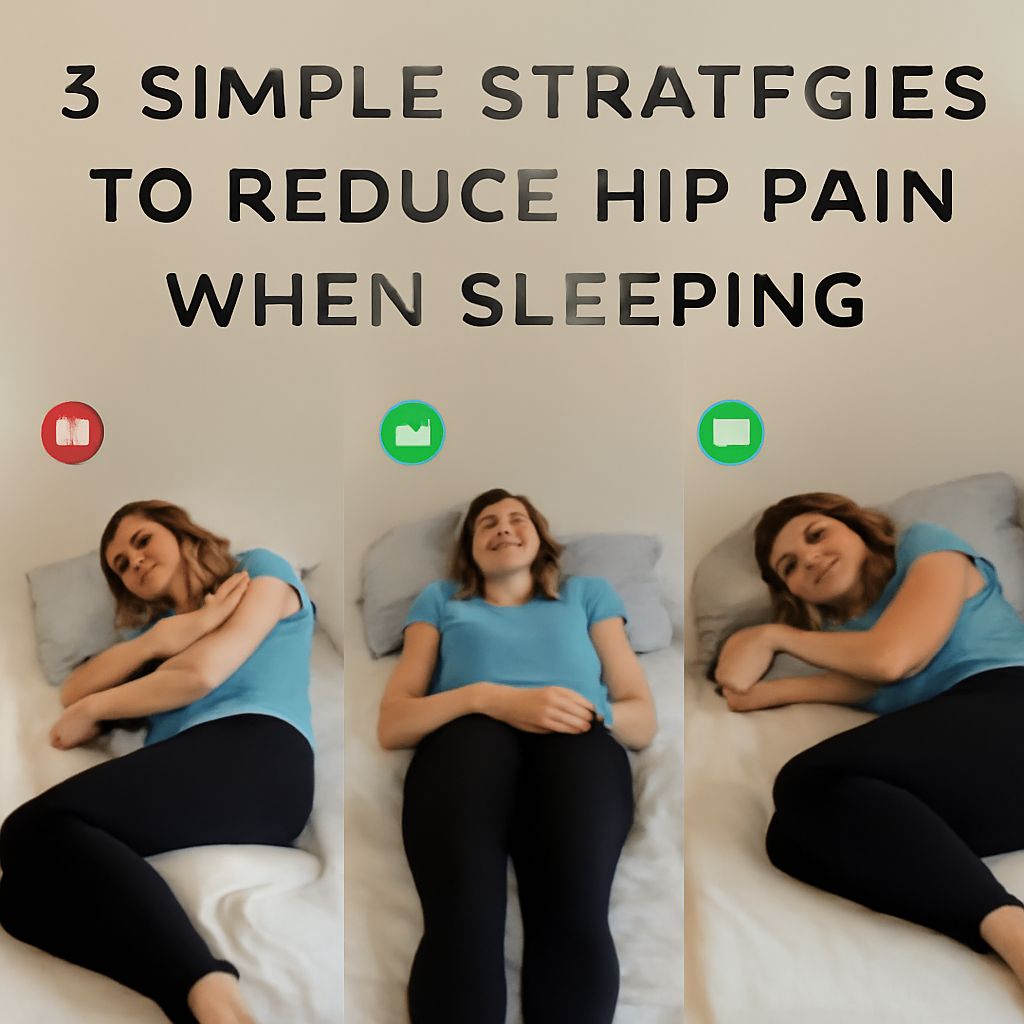
A medium-soft mattress in the 3 to 5 range on a 10-point firmness scale is the standard recommendation for side sleepers with outer hip pain. The hip should sink 1.5 to 2.5 inches into the mattress surface. A mattress topper can adjust firmness without replacing the mattress: a 2-inch latex topper on a firm mattress brings it into the medium-soft range for $80 to $200, far less than a new mattress. A knee pillow placed between the knees reduces pelvic tilt and takes the IT band off stretch, directly reducing the compression load on the bursa.
Position Changes and Home Treatments for Hip Pain
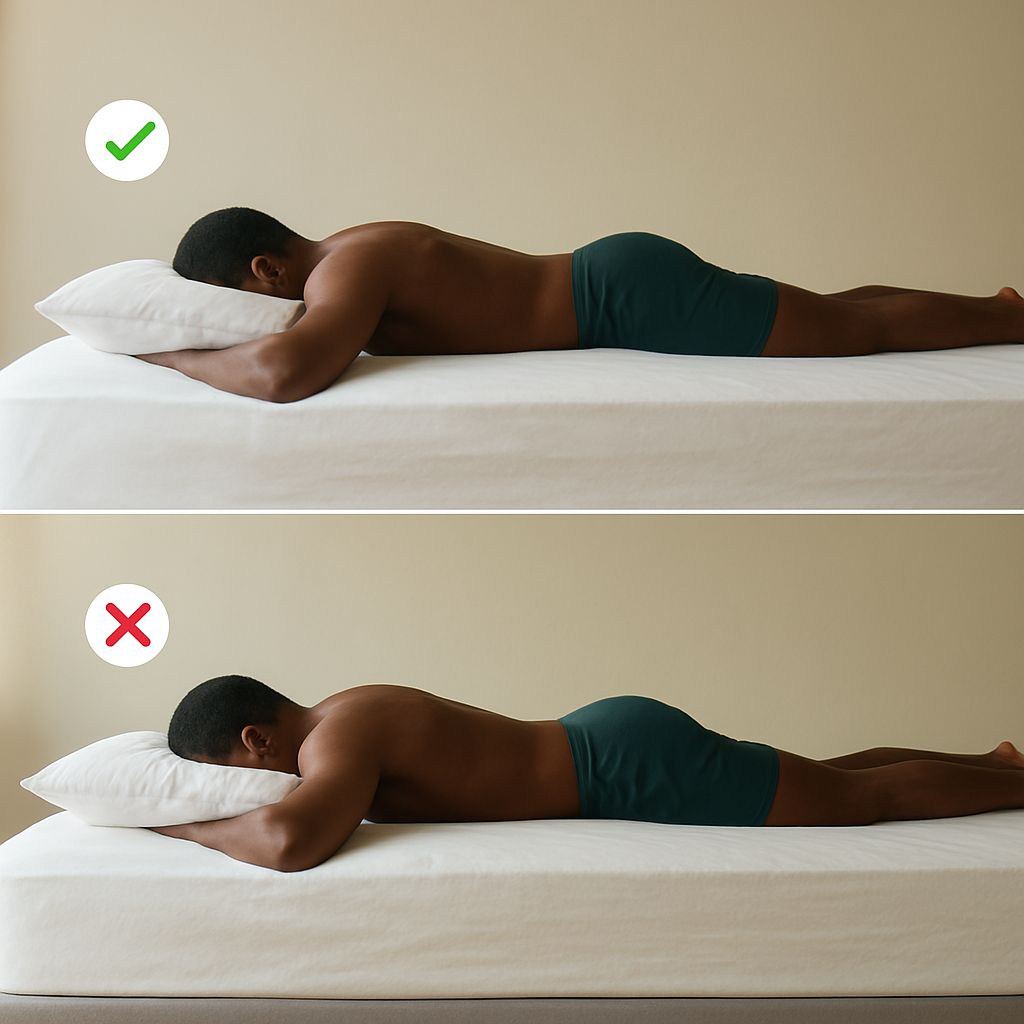
The most effective single change for hip pain when sleeping on side is switching to the non-painful side with a body pillow in front of the torso. The body pillow prevents the top arm and leg from rolling forward, keeping the pelvis level and reducing hip loading. For people who cannot tolerate either side due to hip pain when sleeping on either side, back sleeping with a pillow under the knees is the alternative: this position eliminates direct hip compression entirely and reduces both bursitis and IT band symptoms within two to three nights.
Foam rolling the IT band for five minutes before bed measurably reduces tissue tension that accumulates during the day. Use a standard foam roller with bodyweight pressure, rolling from just below the hip to just above the knee in slow six-inch passes. Hold on any particularly tender spot for 30 seconds before moving. After rolling, stretch the IT band with a standing cross-leg stretch: cross the affected leg behind the other, lean away from it, and hold for 30 seconds. Complete this twice. Combined with the position changes above, this routine typically reduces hip pain sleeping on side significantly within one to two weeks of consistent practice.
Bottom line: Hip pain when sleeping on side is almost always addressable without imaging or medical intervention when the cause is trochanteric bursitis or IT band irritation. Adjust mattress firmness, use a knee pillow, and foam roll before bed. For hip pain when sleeping on either side that persists beyond three weeks or includes groin pain, limp, or inability to bear weight, see a physician to rule out hip fracture, labral tear, or inflammatory arthritis.