Natural Remedies for Sleep Apnea: Evidence-Based Options That Actually Help
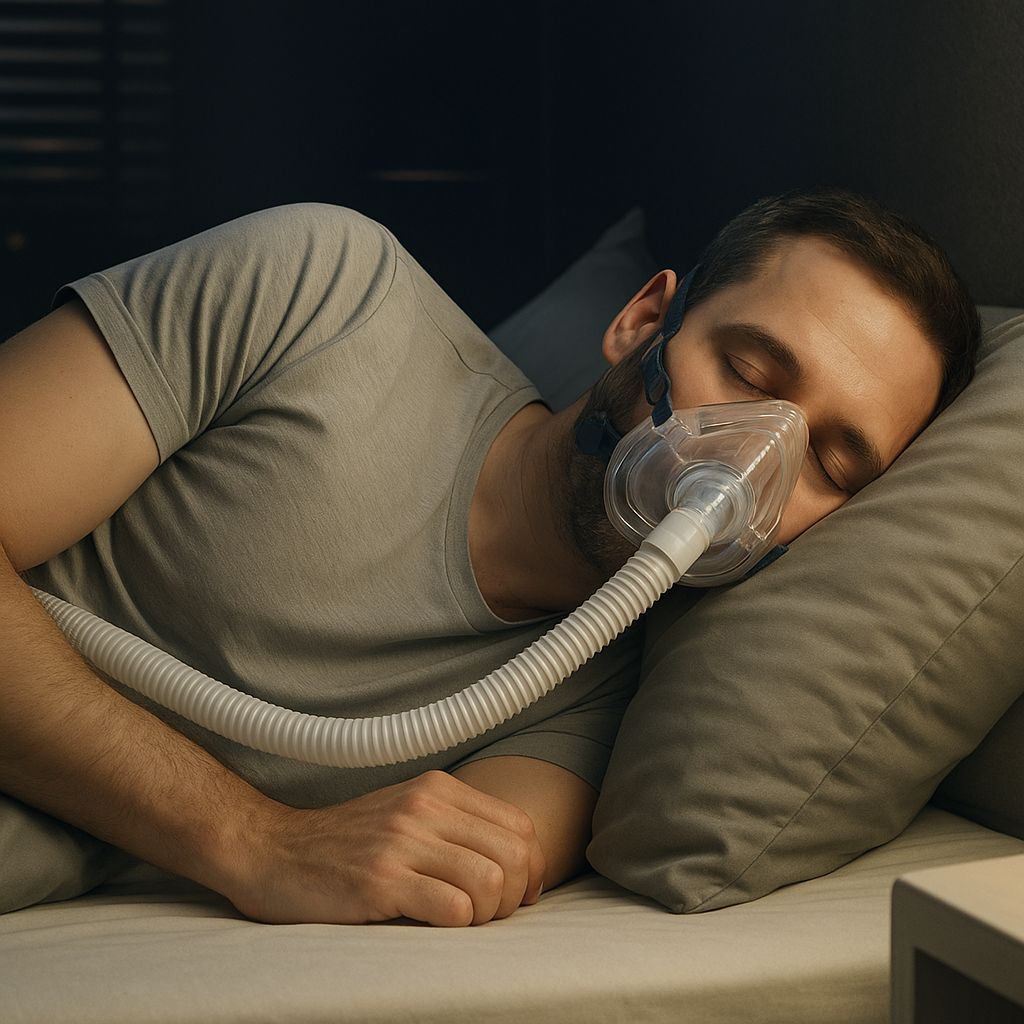
People searching for natural remedies for sleep apnea often do so after a diagnosis, when CPAP therapy feels overwhelming or a milder apnea score makes them hesitant to start device therapy immediately. Sleep apnea natural remedies range from positional changes to myofunctional exercises, and clinical evidence supports several of them as genuine adjuncts — though not replacements — for moderate-to-severe obstructive cases. Understanding how to treat sleep apnea naturally starts with knowing which anatomical and lifestyle factors drive airway collapse during sleep.
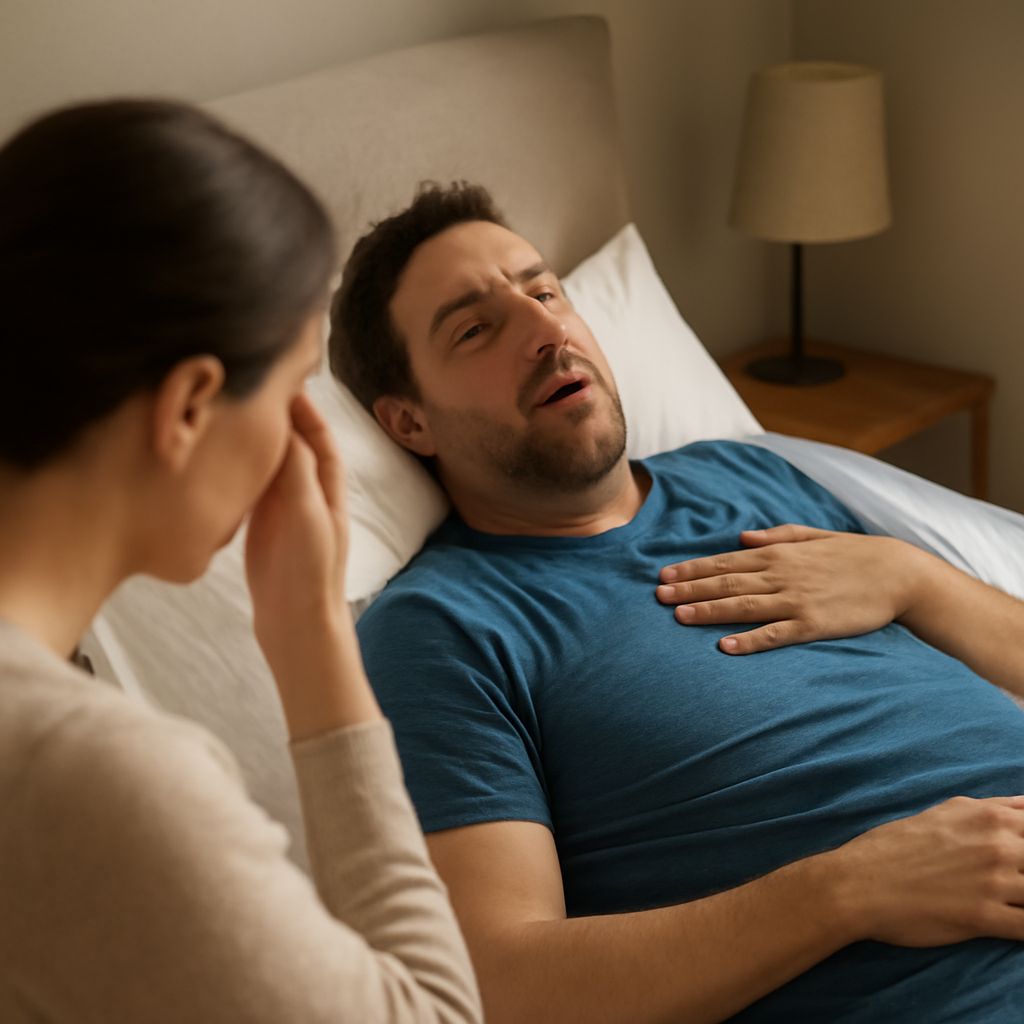
The upper airway narrows when throat muscles relax at night, and certain conditions worsen that narrowing: excess weight around the neck, alcohol use within three hours of sleep, nasal congestion, and a reclined jaw position. Sleep apnea natural treatment targets these factors with measurable, adjustable interventions. A natural sleep apnea treatment plan that addresses two or three contributing factors simultaneously produces better outcomes than any single change in isolation.
Weight, Position, and Airway Tone
Neck circumference above 40 cm in women and 43 cm in men correlates strongly with obstructive events per hour. A 10 percent reduction in body weight produces roughly a 26 percent drop in apnea-hypopnea index scores in people with mild to moderate OSA, based on data from the Sleep Heart Health Study. This makes weight reduction one of the most impactful natural remedies for apnea — not because it cures the structural issue, but because it reduces the tissue mass pressing on the airway.
Positional therapy targets the subset of patients whose apnea events cluster during back-sleeping. Studies using body-position monitors show that 50 to 60 percent of OSA patients have at least twice as many events when supine. Sewing a tennis ball into the back of a sleep shirt, using a wedge pillow under the torso, or wearing a commercially available positional device that vibrates on back-rollover all reduce supine time by 40 to 70 percent in controlled trials. The effect is immediate and measurable the first night.
Myofunctional Therapy and Tongue Exercises
Myofunctional therapy — a set of targeted exercises for the tongue, soft palate, and throat muscles — reduces apnea severity by an average of 50 percent and snoring by 59 percent, according to a meta-analysis in the journal Sleep. The exercises take 15 to 20 minutes per day and require three months of consistent practice before measurable improvement appears on follow-up polysomnography. Core movements include pressing the tongue flat against the palate for three seconds, repeating 20 times; sucking the tongue upward while keeping the mouth closed for five-second holds; and chewing with deliberate bilateral engagement.
Nasal breathing training matters because mouth-breathing during sleep worsens airway instability. Nasal rinses with saline solution twice daily clear mucus and reduce turbinate swelling, lowering nasal resistance measurably within 10 minutes of use. Nasal strips applied across the bridge of the nose increase nasal airflow cross-section by 25 to 30 percent and are most effective in patients whose congestion is structural rather than inflammatory.
Alcohol, Sedatives, and Sleep Hygiene Adjustments
Alcohol doubles REM-stage apnea events in people with diagnosed OSA by suppressing hypoglossal nerve activity, which controls tongue position during sleep. Cutting alcohol intake entirely within four hours of bed is one of the fastest-acting natural sleep apnea treatment changes a person can make — the effect occurs the first night. Sedating antihistamines and benzodiazepines carry the same risk and should be discussed with a prescriber when apnea is present.
Elevating the head of the bed by 15 to 30 degrees — either with an adjustable base or a wedge extending from shoulder to head — reduces fluid redistribution into the neck tissues that worsens airway diameter. Research in cardiac and respiratory populations consistently shows improvement in supine apnea index when head elevation exceeds 15 degrees. This adjustment combines well with positional therapy.
Consistent sleep timing strengthens circadian regulation of upper airway muscle tone. Irregular schedules that shift bedtime by more than 90 minutes create a form of social jet lag that reduces muscle tone recovery during stable NREM phases. Setting a fixed wake time — even on weekends — anchors the circadian rhythm within two to three weeks and produces measurably deeper slow-wave sleep periods.
Bottom line: Natural remedies for sleep apnea work best in mild to moderate cases and as complements to clinical treatment in severe ones. Positional therapy and myofunctional exercises produce the strongest documented results and can be started without equipment or cost. Anyone with an AHI above 15 should confirm any natural treatment approach with a sleep physician before reducing or stopping prescribed therapy.