Stiff Neck from Sleeping: Causes, Relief, and Prevention
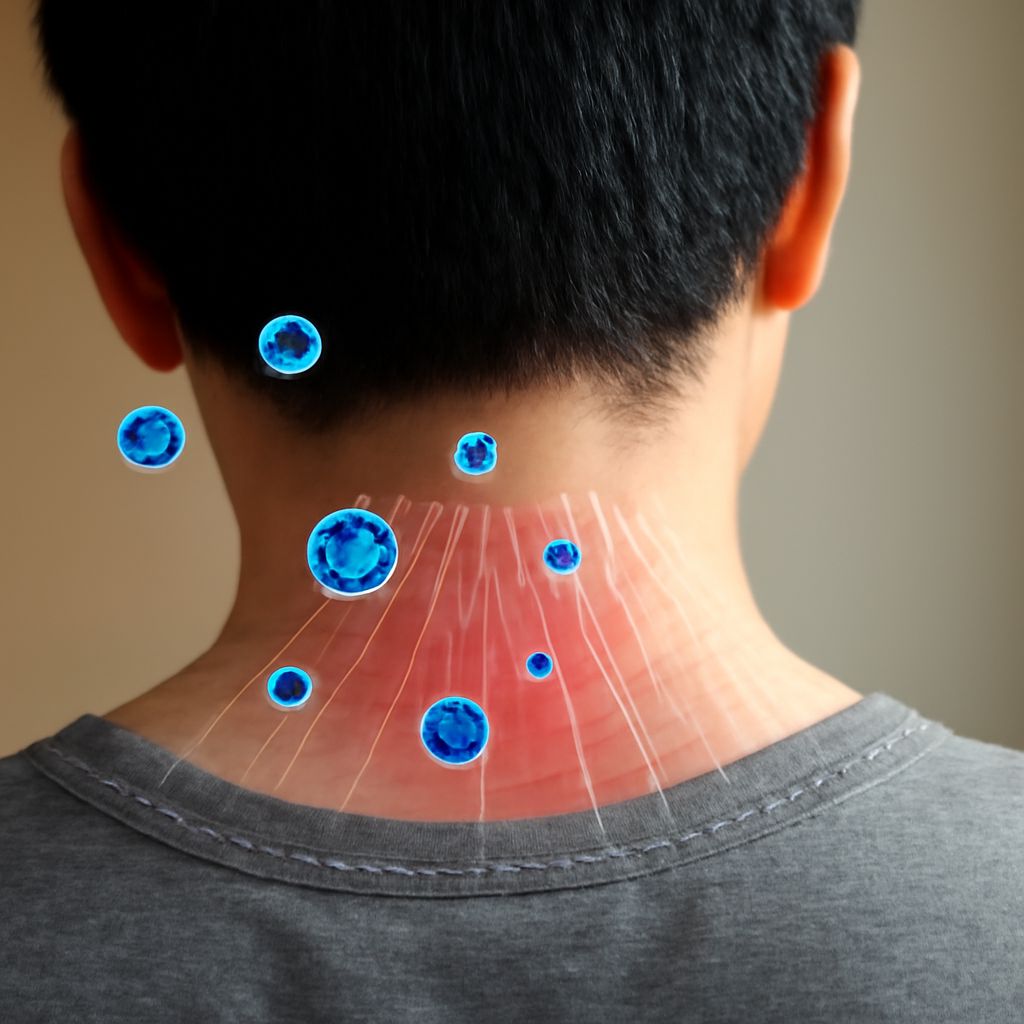
Waking with a stiff neck from sleeping is one of the most common musculoskeletal complaints reported to primary care physicians, yet it is almost entirely preventable with the right adjustments. The neck’s vulnerability during sleep comes from a combination of sustained static posture, reduced muscle tone, and pillow geometry that fails to support the cervical curve. Understanding the best way to sleep for neck pain means looking at both pillow height and sleeping position — two factors that interact and cannot be optimized separately. A stiff neck after sleeping typically results from the sternocleidomastoid or upper trapezius muscle being held in a shortened or lengthened position for six to eight hours without the micro-adjustments that occur when awake.
The discomfort many people experience as a sore neck after sleeping ranges from mild morning tightness that clears within 30 minutes to sharp unilateral pain that restricts rotation for 12 to 48 hours. A true neck sprain while sleeping involves microtrauma to the facet joint capsule or a muscle-tendon junction and requires more structured recovery — rest, ice or heat application, and gentle range-of-motion exercises rather than forceful stretching.
Position, Pillow Height, and Overnight Mechanics
Side-sleeping is the most common sleep position and also the one with the highest neck pain risk when pillow height is wrong. The ideal pillow for side-sleeping fills the gap between the ear and the mattress completely, keeping the cervical spine parallel to the bed surface. That gap averages 10 to 14 cm in adults, which means standard pillows compressed to 7 to 8 cm under bodyweight leave the neck angled downward for the entire sleep period. A firmer latex or memory foam pillow that maintains loft under compression corrects this without requiring any change in sleep position.
Back-sleeping carries lower cervical risk when the pillow keeps the head in neutral — meaning the chin does not drop toward the chest or tilt toward the ceiling. A pillow with a cervical contour, lower in the center and higher at the edges, achieves this consistently. High-loft pillows used in the back-sleeping position push the head forward into a chin-tucked position that stretches the posterior neck muscles under load for hours — the most frequent single cause of acute morning neck stiffness in back-sleepers.
Stomach-sleeping rotates the neck 45 to 90 degrees laterally for the full sleep duration. This position is the single strongest predictor of recurring neck stiffness and is categorically associated with worse outcomes across all cervical pain research. Transitioning away from stomach-sleeping takes three to six weeks of consistent repositioning; placing a body pillow along one side reduces the tendency to roll prone during lighter sleep stages.
Mattress firmness interacts with pillow height in side-sleepers. A very firm mattress reduces shoulder sinkage, raising the shoulder and thereby narrowing the pillow gap needed for neutral neck alignment. A medium-firm mattress that allows 2 to 4 cm of shoulder sinkage is the standard recommendation for side-sleepers with recurring neck complaints.
When stiffness is already present, a 15-minute application of moist heat — a microwaveable neck wrap or a warm damp towel — to the posterior neck before getting out of bed reduces muscle guarding more effectively than dry heat. Moist heat penetrates deeper into the tissue within the same time window. Follow this with slow, controlled rotation: turn the head 45 degrees left, hold five seconds, return to center, repeat on the right, and perform five cycles before rising. Avoid full-range end-stop rotation during the acute phase.
Next steps: Replace the current pillow with one matched to body width and sleep position, and photograph the sleeping position using a motion-tracking sleep app for two nights to confirm whether the starting position is maintained. Reassess neck stiffness frequency over four weeks after any pillow change before concluding it has or has not helped.