7 Stages of Adrenal Fatigue: What Each Stage Looks Like and What to Do
The framework describing the 7 stages of adrenal fatigue emerged from functional medicine practice as a way to map the progression of HPA axis dysregulation over time. While “adrenal fatigue” is not a diagnosis recognized by endocrinology societies — who prefer the term HPA axis dysregulation — the staging model provides a clinically useful way to describe how stress-response capacity degrades in a predictable sequence. Stage 3 adrenal fatigue marks a significant threshold: at this point, morning cortisol output is measurably blunted on salivary testing and symptoms extend beyond fatigue into cognitive impairment and disrupted immune function. The full stages of adrenal fatigue progression from early-stage reactivity to late-stage exhaustion represents years of accumulated physiological stress. Mapping adrenal fatigue stages against symptom clusters helps practitioners and patients identify where in the progression current symptoms fit. Stage 4 adrenal fatigue and beyond involve cortisol patterns that flatten across the day rather than showing the normal morning peak and afternoon decline.
This article describes each stage with specific symptom profiles and measurable indicators, alongside the management approaches that align with each stage’s physiological state.
Stages 1 Through 3: The Activation and Resistance Phases
What Stage 3 Feels Like in Practice
In stages 1 and 2, the adrenal response is intact but overactive — cortisol output is elevated in the morning and remains high into the evening, producing a wired-but-tired sensation where the person feels alert at 11 p.m. but exhausted at 7 a.m. Sleep quality is poor despite adequate duration, and the person often wakes between 1 and 3 a.m. as blood sugar drops and cortisol spikes to compensate. These early stages respond well to sleep hygiene adjustment, moderate reduction in stressor load, and dietary stabilization around protein-anchored meals every three to four hours.
Stage 3 is where the clinical presentation shifts from “always stressed” to “always tired.” Salivary cortisol testing at stage 3 typically shows a flattened morning peak — cortisol at 8 a.m. falling below 15 nmol/L when a healthy range is 15 to 25 nmol/L — with a normal or slightly low afternoon reading. This pattern, sometimes called “cortisol steal,” reflects the body redirecting pregnenolone (a cortisol precursor) toward sex hormone production rather than cortisol synthesis. Common stage 3 symptoms include difficulty rising before 9 or 10 a.m., salt and sugar cravings in the afternoon, recurrent infections lasting longer than they should, and brain fog that does not clear with caffeine.
Stages 4 Through 7: Exhaustion and Recovery
Stage 4 marks the point where cortisol output drops below functional ranges throughout the day — not just in the morning. Fatigue at this stage is different from tiredness: it is a bone-level exhaustion that does not improve with rest, that worsens with any physical or emotional demand, and that produces what patients describe as feeling “like a phone at 2 percent battery that never charges.” Orthostatic hypotension — a drop in blood pressure on standing that causes dizziness — becomes common because aldosterone, which regulates sodium and blood pressure, is also produced by the adrenal glands and declines alongside cortisol.
Stages 5 and 6 in the framework describe varying patterns of partial recovery interleaved with relapse, often triggered by infections, life stressors, or overexertion during a feeling-better period. The characteristic feature is crash-and-rally cycling: a person feels 50 to 60 percent normal for several days, attempts to resume normal activity levels, and then spends the following week at 20 to 30 percent capacity. Recognizing this cycling as a feature of the stage prevents the mistake of using good days as evidence of full recovery.
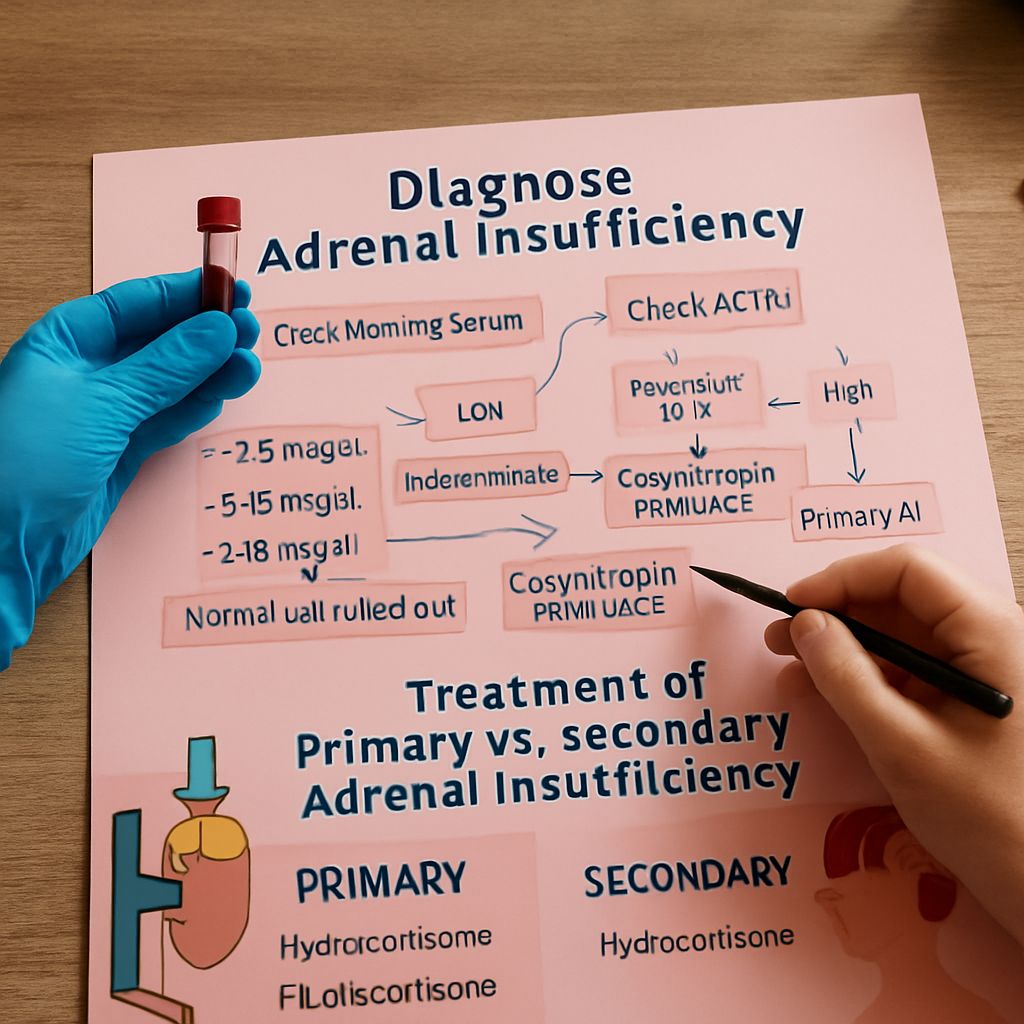
Stage 7 in some models represents near-complete adrenal exhaustion, where even mild physiological stressors — a cold, a poor night of sleep, an argument — produce disproportionately prolonged recovery. At this stage, professional medical evaluation for primary adrenal insufficiency (Addison’s disease) is important to rule out before attributing all symptoms to functional dysregulation.
Recovery from advanced adrenal fatigue stages requires 12 to 24 months of consistent lifestyle stabilization, not weeks. Prioritizing sleep before 11 p.m. — when growth hormone and melatonin pulse together in a window that is particularly restorative for the HPA axis — is a measurable first step.
Next steps: Request a four-point salivary cortisol test from a functional medicine or integrative practitioner to establish a baseline. Track sleep and energy patterns daily for two weeks. Match interventions to the stage rather than applying maximum-intensity protocols to early-stage presentations, which can worsen the progression.