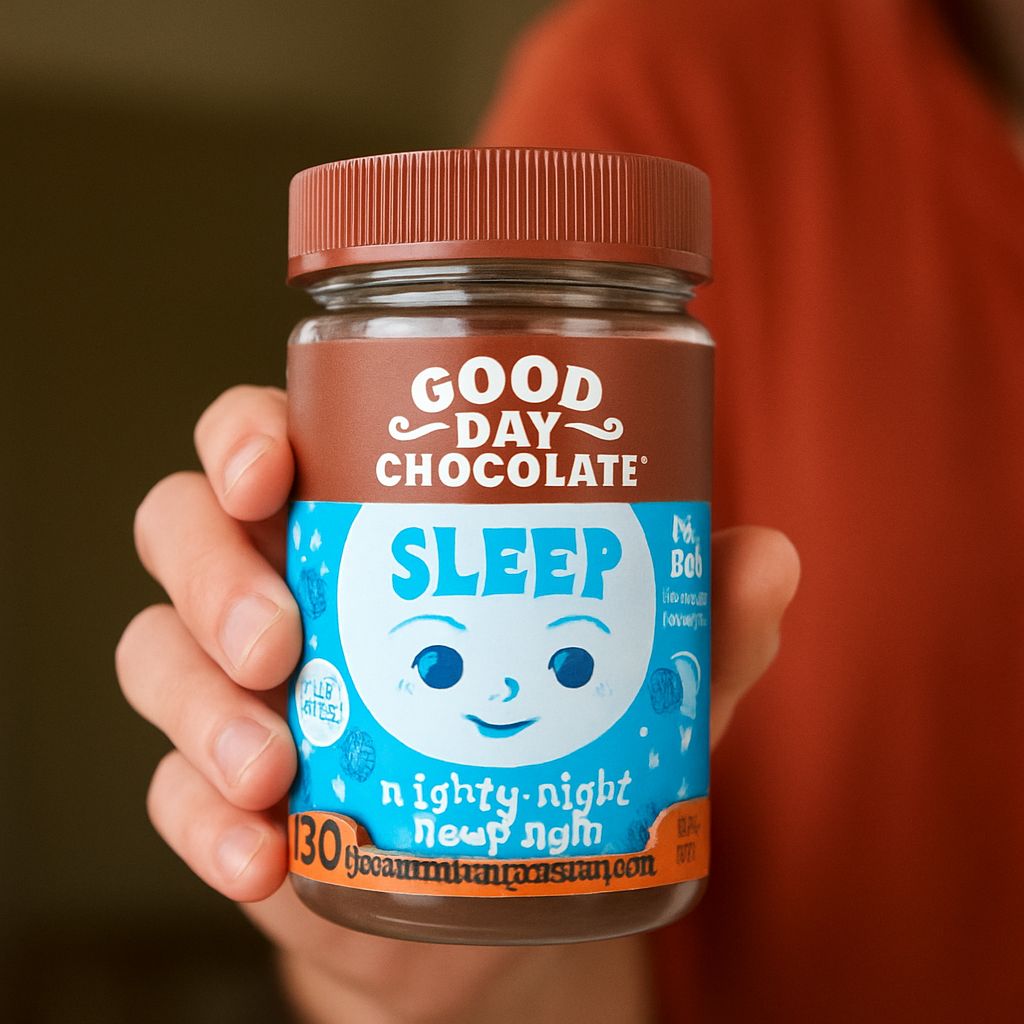
Natural Sleep Aid for Kids: Safe Options That Actually Work
Finding a reliable natural sleep aid for kids starts with understanding why a child is struggling to sleep — because the solution for a toddler with an inconsistent schedule differs from the approach needed for a child with sensory sensitivities or anxiety-driven bedtime resistance. A toddler sleep aid that works at age two may be irrelevant at age four, because the sleep challenge shifts as developmental milestones change. Using a sleep aid for toddlers means working with the child’s biology: circadian rhythms are still maturing, melatonin production timing is more variable than in adults, and behavioral routines have a stronger impact on sleep onset than any supplement. Natural sleep remedies for toddlers that center on environment, routine, and sensory inputs outperform supplements in most clinical comparisons. Natural sleep aids for toddlers in the supplement category should be used only when behavioral and environmental strategies have been consistently applied for at least two weeks without sufficient improvement.
This article covers what the evidence supports, what requires pediatric consultation before use, and how to build an effective approach for different ages.
Behavioral and Environmental Approaches First
The single most impactful intervention for toddler sleep is a consistent bedtime routine lasting 20 to 30 minutes and ending at the same time each night. Research consistently shows that children with a predictable three to four-step routine — such as bath, pajamas, story, and lights out — fall asleep 10 to 15 minutes faster and wake less often during the night than children without a routine. The routine’s content matters less than its consistency; the predictability itself signals the brain to begin the melatonin production cascade.
Room temperature between 18 and 20 degrees Celsius supports sleep onset in young children by facilitating the core body temperature drop that precedes sleep. Blackout curtains that reduce room light to under 5 lux prevent melatonin suppression from ambient light, which is especially relevant in summer months when late sunsets delay toddler sleep by 30 to 60 minutes even with consistent routines. A white noise machine set to 50 to 65 decibels — similar to shower sound — masks household noise that causes nighttime arousals without creating a dependency on unrealistic levels of quiet.
Screen time within two hours of bedtime suppresses melatonin by 30 to 50 percent in children due to the blue-light component of device screens. This is one of the most modifiable environmental factors and produces measurable improvement in sleep onset latency within two to three days of consistent removal. Replacing screen time with a book, puzzle, or quiet play activity maintains the winding-down benefit without the melatonin suppression.
Weighted blankets in the appropriate weight range — typically 10 percent of body weight plus one kilogram — have demonstrated sleep quality improvement in children with sensory processing differences and ADHD in controlled trials. The deep pressure stimulation activates the parasympathetic nervous system and reduces cortisol levels measurably within 15 minutes of use. Standard cotton blankets at appropriate warmth for the season produce no equivalent effect.
Magnesium glycinate at pediatric doses — 1 to 3 mg per kilogram of body weight, taken 30 minutes before bedtime — has shown modest sleep benefit in children with magnesium insufficiency, which is more common than full deficiency and is associated with difficulty maintaining sleep rather than difficulty initiating it. This form is gentler on the digestive system than magnesium citrate and is less likely to cause loose stools. Pediatric dosing should be confirmed with a healthcare provider before initiating.
Low-dose melatonin — 0.5 to 1 mg for toddlers aged two to five — is the most studied natural supplement for pediatric sleep onset. The timing matters more than the dose: melatonin taken 30 to 60 minutes before the target sleep time shifts the circadian phase without causing next-morning grogginess at these low doses. Higher doses (3 to 10 mg) common in adult formulations are not appropriate for toddlers and can disrupt the child’s natural hormone production cycle with extended use.