Can Sleep Apnea Cause High Blood Pressure and Anxiety?
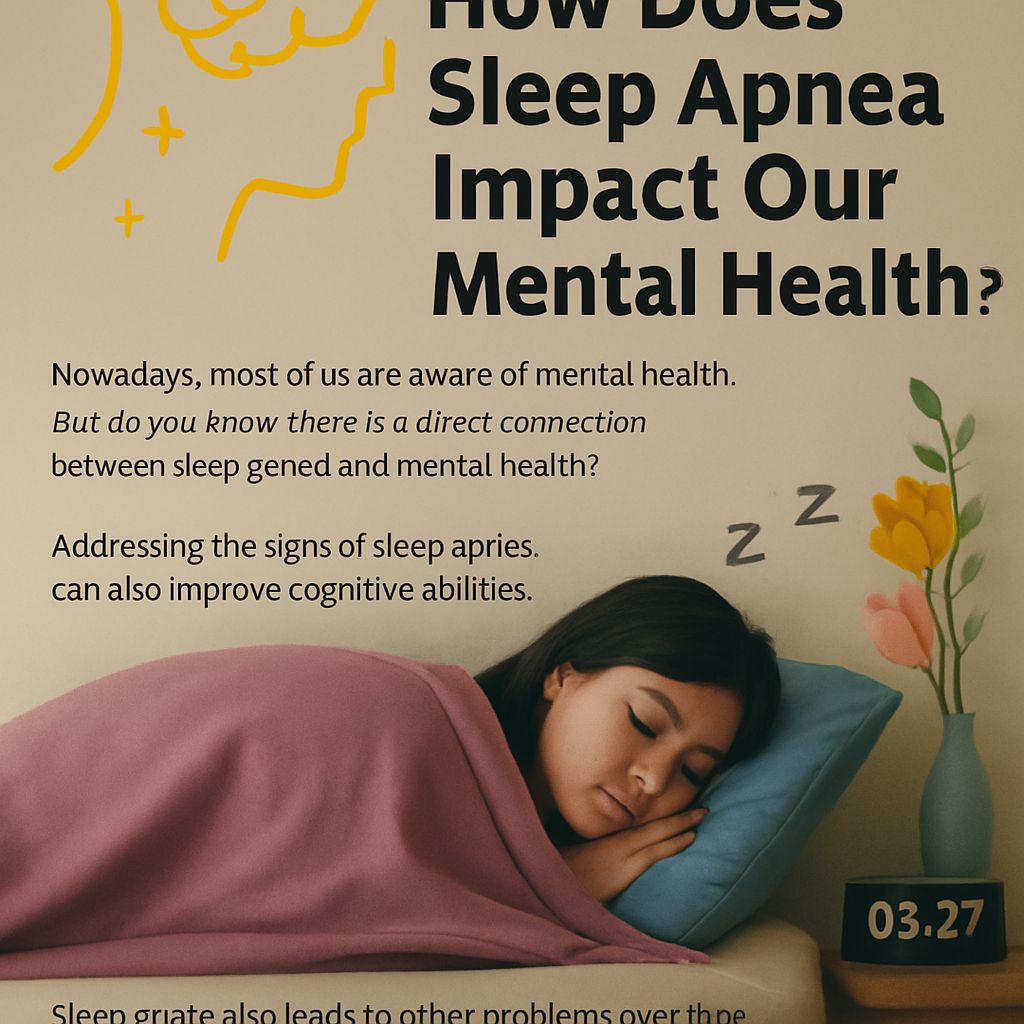
The question of can sleep apnea cause high blood pressure has a definitive answer from cardiology research: yes, and it is one of the most common secondary causes of treatment-resistant hypertension in adults. The related question of can sleep apnea cause anxiety is equally well-supported — the repeated arousal events, oxygen desaturation, and chronic sleep fragmentation that characterize untreated OSA create a physiological state that mirrors and amplifies anxiety in susceptible individuals. Understanding the relationship between sleep apnea and anxiety requires distinguishing between the anxiety that sleep apnea generates biochemically and the anxiety that makes CPAP therapy difficult to tolerate — because the two reinforce each other and must be addressed simultaneously for treatment to succeed. The link between sleep apnea and blood pressure operates through measurable sympathetic nervous system activation that persists during waking hours even when blood pressure is treated pharmacologically. Sleep apnea anxiety — the hyperarousal state that apnea produces — contributes to insomnia symptoms that can persist even after AHI is controlled with CPAP, requiring separate behavioral intervention.
This article examines the mechanisms behind each relationship, the strength of the evidence, and what treatment of sleep apnea actually achieves for blood pressure and anxiety outcomes.
Sleep Apnea and Blood Pressure: The Sympathetic Activation Mechanism
Why Apnea Events Drive Sustained Hypertension
Each apnea event — a complete cessation of breathing for 10 seconds or more — triggers a hypoxia-driven chemoreceptor reflex that floods the body with norepinephrine and cortisol. This sympathetic surge raises heart rate and peripheral vascular resistance, driving blood pressure upward. In patients with 20 to 30 apnea events per hour (moderate OSA), this surge occurs dozens of times per night. The cumulative effect is a sustained elevation in sympathetic nervous system tone that does not fully resolve during waking hours, producing 24-hour hypertension rather than sleep-limited blood pressure changes.
Epidemiological research from the Wisconsin Sleep Cohort found that mild OSA (AHI 5 to 15) doubled the odds of hypertension; moderate-to-severe OSA increased the odds three to fourfold. CPAP therapy reduces systolic blood pressure by 2 to 10 mmHg in compliant users — a modest but clinically meaningful reduction that accumulates into significant long-term cardiovascular risk reduction over years of treatment.
Sleep Apnea and Anxiety: Overlapping Mechanisms and Treatment
The overlap between sleep apnea and anxiety extends beyond symptom similarity. The hypoxia and carbon dioxide retention that occur during apnea events activate the same brain regions — the amygdala and the locus coeruleus — that drive anxiety and panic. Some patients with undiagnosed apnea experience what they describe as nocturnal panic attacks: waking suddenly with heart pounding, shortness of breath, and a sense of dread. These episodes are indistinguishable subjectively from panic disorder but resolve on CPAP therapy, confirming an apnea-driven rather than anxiety-driven origin.
Generalized daytime anxiety in OSA patients is driven partly by cumulative sleep deprivation — which reduces prefrontal cortex regulation of amygdala reactivity — and partly by the persistent sympathetic activation described above. Six to eight weeks of effective CPAP therapy consistently reduces self-reported anxiety scores on the GAD-7 scale in both clinical trials and real-world registry data, with the largest improvements seen in patients who achieve compliance above four hours per night.
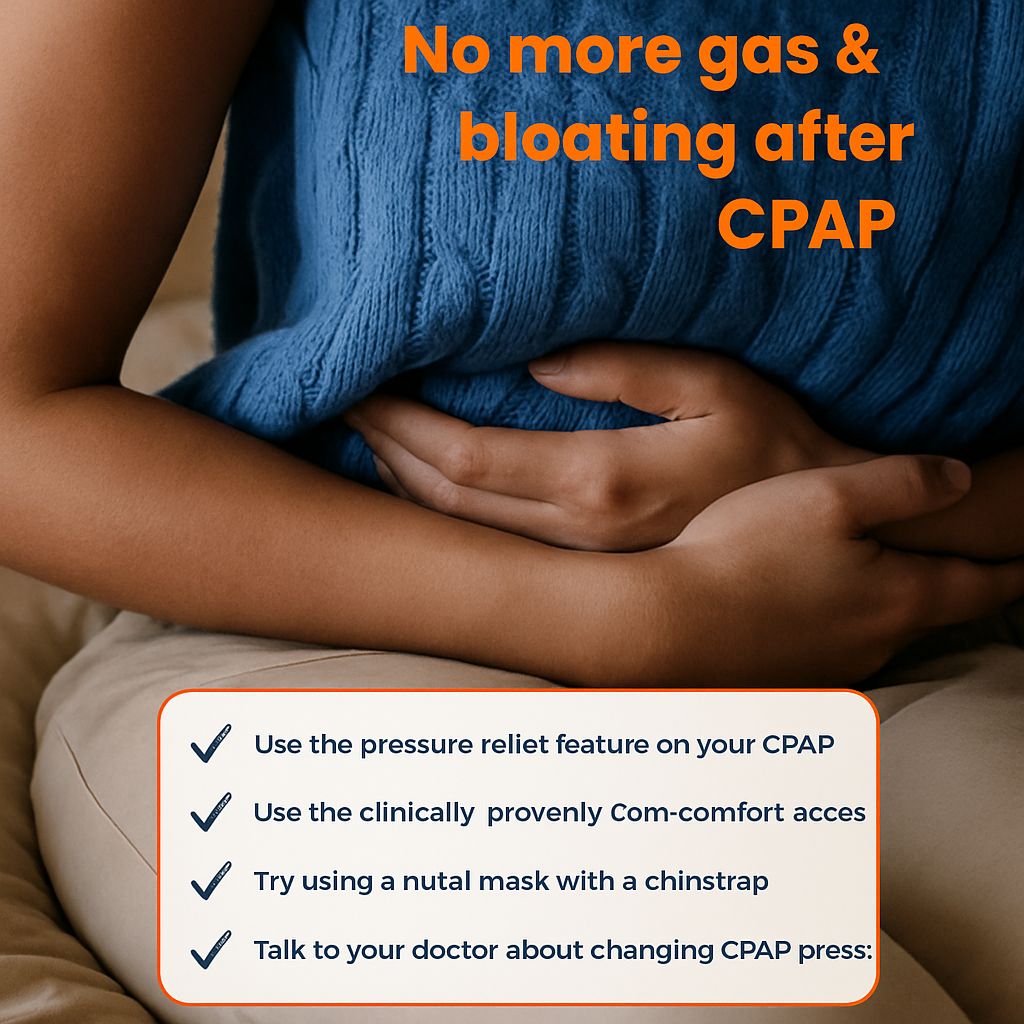
However, anxiety about wearing the mask — claustrophobia, fear of being trapped, or generalized health anxiety — is a separate and significant barrier to CPAP adherence. Cognitive behavioral therapy techniques adapted for CPAP adherence (CBT-CPAP) address mask fear specifically and produce measurably better long-term compliance than equipment adjustment alone. Starting with shorter desensitization sessions — wearing the mask while awake and relaxed for 15 to 20 minutes before attempting sleep — reduces the anxiety response to the mask itself within one to two weeks of consistent practice.
The co-occurrence of sleep apnea and anxiety disorders is high enough that both should be screened for when either presents clinically. Treating anxiety with sedating benzodiazepines without first evaluating for apnea worsens OSA severity by reducing upper airway muscle tone — a specific harm that occurs when the more common condition (apnea) goes unrecognized because the presenting symptom (anxiety) is treated first.