Adrenal Fatigue Supplements: What Works and What the Evidence Shows
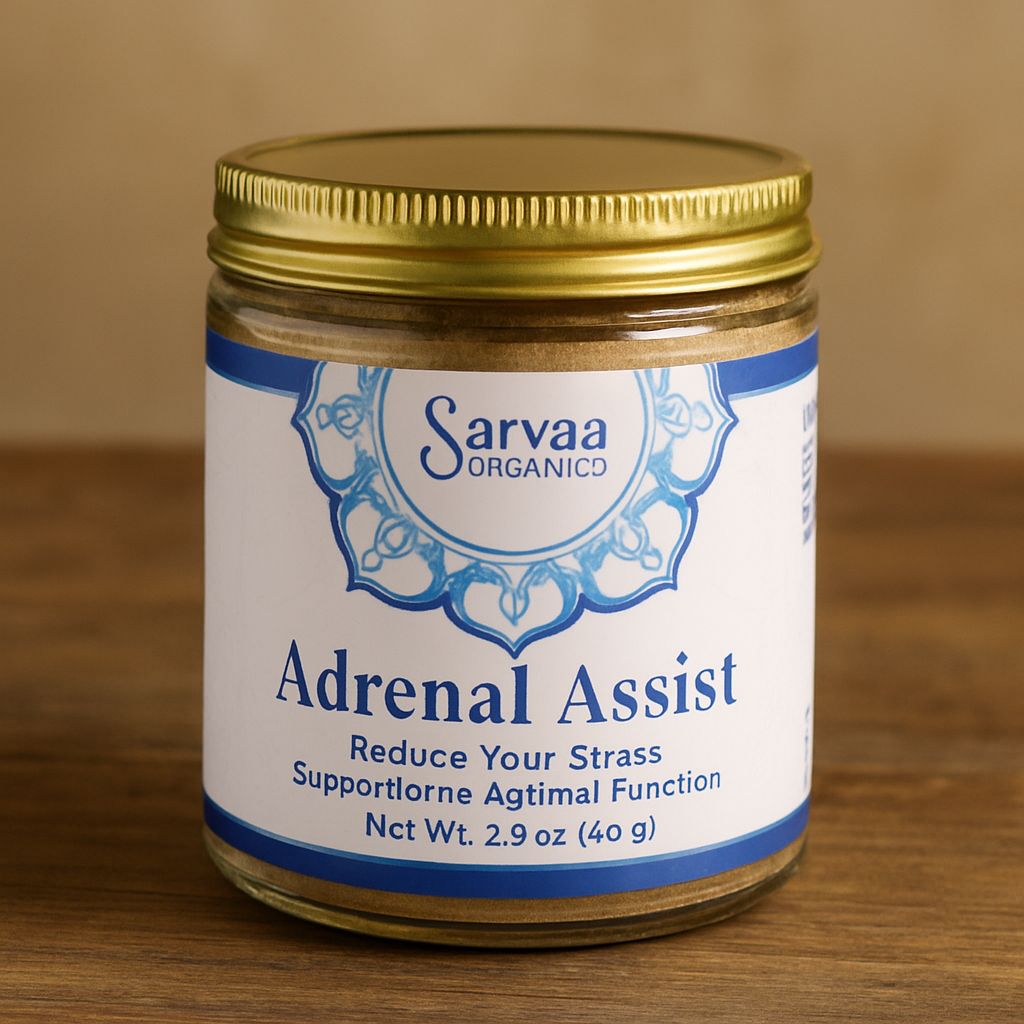
Adrenal fatigue supplements fill a large market segment, though the underlying diagnosis remains contested in conventional medicine. Whether the condition represents a distinct syndrome or a cluster of symptoms tied to HPA axis dysregulation, people experiencing persistent fatigue, low cortisol-related symptoms, and poor stress recovery frequently seek supplement-based support. This article examines what supplements for adrenal fatigue are most commonly used and what clinical evidence, if any, supports each one.
Interest in the best supplements for adrenal fatigue, the best supplement for adrenal fatigue specifically, and licorice root for adrenal fatigue reflects a pattern of self-directed care that often runs ahead of physician guidance. Some adaptogens and glandular extracts carry real physiological effects; others are placebos. Knowing the difference matters when money, time, and health are all at stake.
Adaptogens with the Strongest Evidence
Ashwagandha, or Withania somnifera, is among the best-studied options in the category of supplements for, or adaptogens used alongside, adrenal support protocols. A 2012 randomized controlled trial published in the Indian Journal of Psychological Medicine found that 300 mg of root extract twice daily for 60 days reduced serum cortisol by 27.9% compared to placebo. Participants also reported lower stress scores and improved sleep quality.
Rhodiola rosea at 400–600 mg daily has shown consistent effects on fatigue reduction in three placebo-controlled trials. The mechanism involves modulation of stress hormones and serotonin pathways rather than direct adrenal stimulation. It works best when taken in the morning on an empty stomach, as afternoon dosing can interfere with sleep onset in sensitive individuals.
Licorice Root: Mechanism and Cautions
Licorice root for adrenal fatigue works primarily by inhibiting the enzyme 11-beta-hydroxysteroid dehydrogenase, which breaks down cortisol. By slowing this breakdown, licorice root effectively extends the availability of endogenous cortisol at the cellular level. This is meaningful in people with genuinely low cortisol output. The standard therapeutic dose is 600–1,800 mg of deglycyrrhizinated licorice (DGL) daily, though DGL has had the glycyrrhizin removed, which may reduce blood pressure effects but also limits the cortisol-sparing action.
Whole licorice containing glycyrrhizin carries a real risk of hypokalemia and elevated blood pressure at doses above 100 mg of glycyrrhizin daily for more than two weeks. Blood pressure should be monitored when using non-DGL preparations for longer than 14 consecutive days.
Vitamins and Minerals That Support Adrenal Function
Vitamin C at 1,000–3,000 mg daily supports cortisol synthesis directly, as the adrenal glands contain the highest concentration of vitamin C of any tissue in the body and deplete it rapidly under stress. Magnesium glycinate at 200–400 mg before bed addresses the common magnesium depletion seen in chronic stress states and improves sleep quality within two to four weeks. B5, or pantothenic acid, at 500 mg twice daily supports the conversion of cholesterol to adrenal hormones in the steroidogenesis pathway.
Bottom line: The best supplement for adrenal fatigue depends on the specific symptom pattern. Ashwagandha suits those with elevated evening cortisol and poor sleep; rhodiola suits those with morning fatigue and cognitive fog. Licorice root has a specific mechanism that works only when cortisol output is genuinely low, making it inappropriate without at least a salivary cortisol panel to confirm.