Nasal Pillows CPAP: How They Work and Who Benefits Most
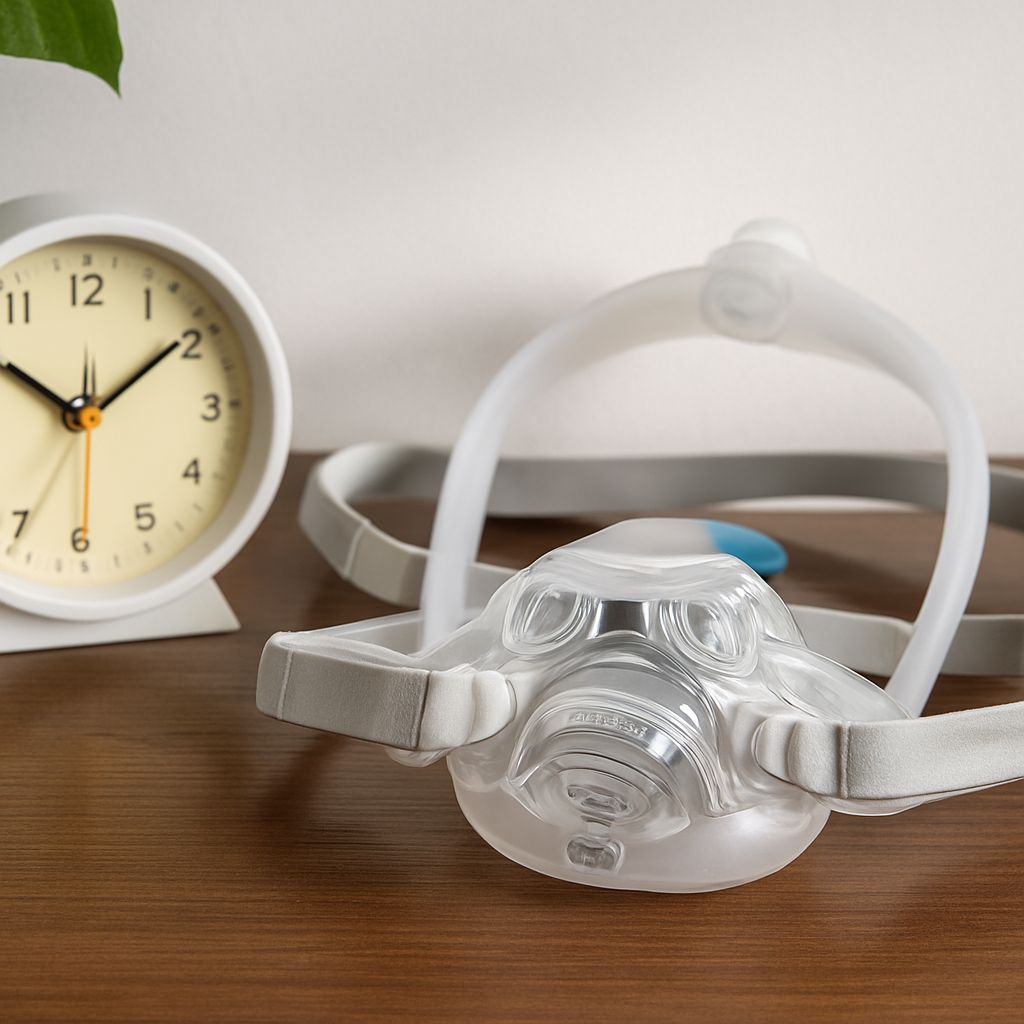
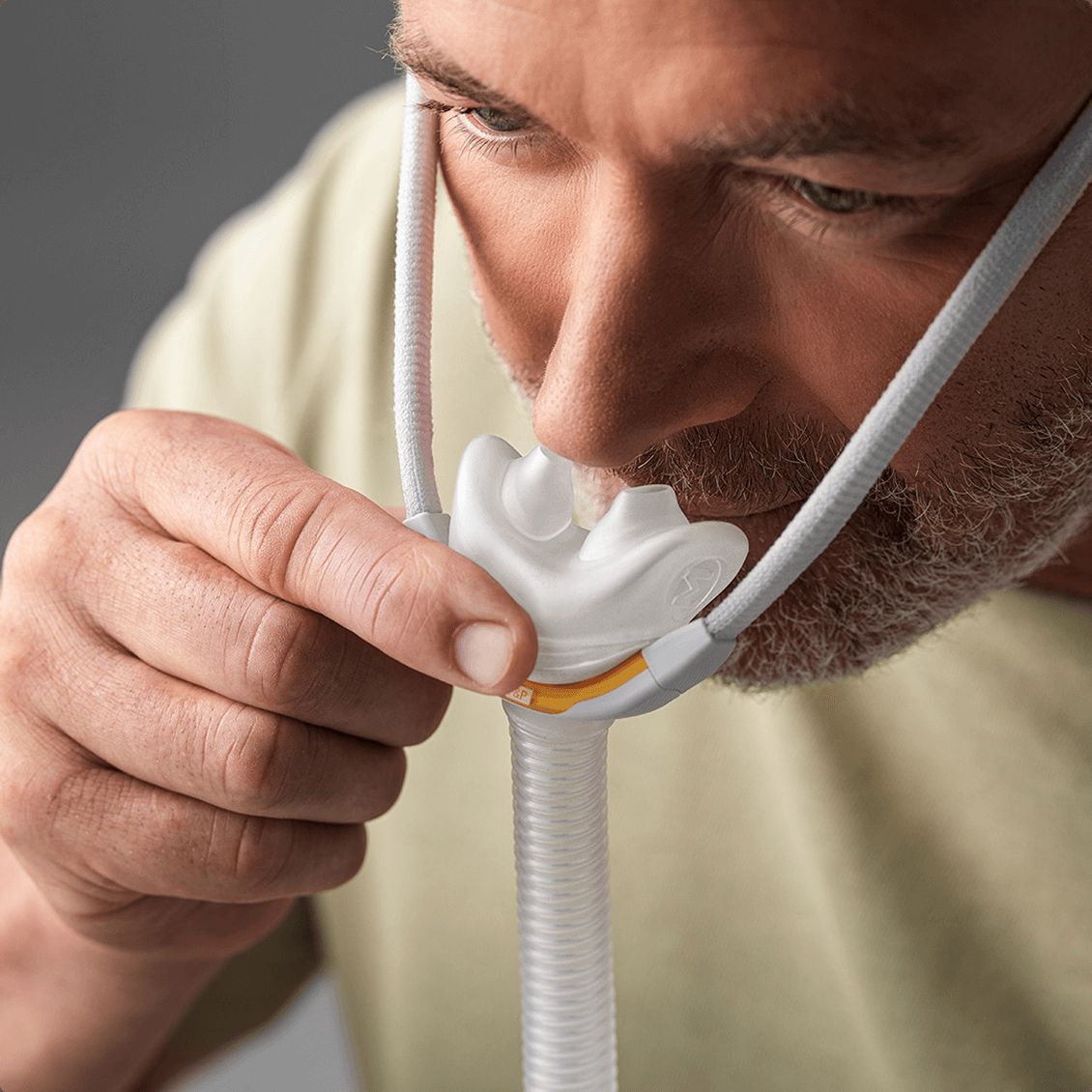
Nasal pillows CPAP refers to a mask style where two small silicone inserts seal directly at the nostrils rather than covering the nose or full face. The interface is the smallest and least intrusive option in the CPAP mask category, which makes it particularly useful for people who experience claustrophobia with larger masks or who sleep on their side or stomach. Pressure is delivered directly into the nasal passages without an intermediary cushion chamber.
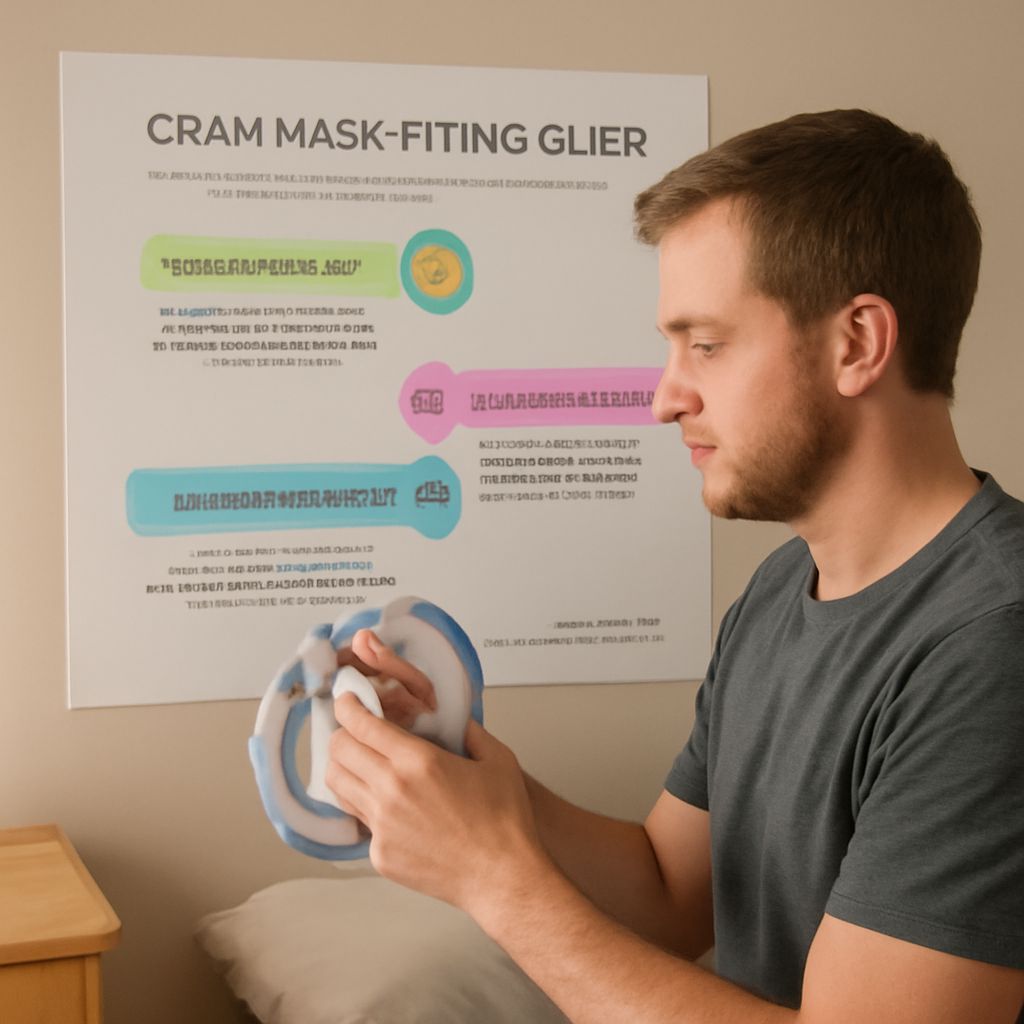
A CPAP nasal pillow mask works best at pressures up to approximately 15 cm H2O; above that threshold, the direct delivery can feel uncomfortable and cause nosebleeds in some users. CPAP nose pillows are sized by nostril diameter, not face size, which means fit testing requires matching the pillow diameter to the patient’s nares rather than the usual face measurement approach. CPAP nasal pillow masks are available in three to four sizes per product line, and the correct size is the one that seals without stretching the nostril tissue visibly. CPAP nasal compatibility depends on having patent nasal passages; anyone with chronic nasal congestion due to allergies or polyps will find this mask style impractical without prior nasal treatment.
Fit, Comfort, and Maintenance for Nasal Pillow Masks
Nasal pillows, or the silicone inserts themselves, require replacement every 30 days under standard manufacturer guidelines. Mineral deposits from humidifier water and oil from skin contact degrade the silicone within that window, causing gradual seal loss and increased leak rates. Daily rinsing with warm water and mild soap after each use extends functional life to 45–60 days for most users, but the replacement window is still worth following to maintain therapy effectiveness.
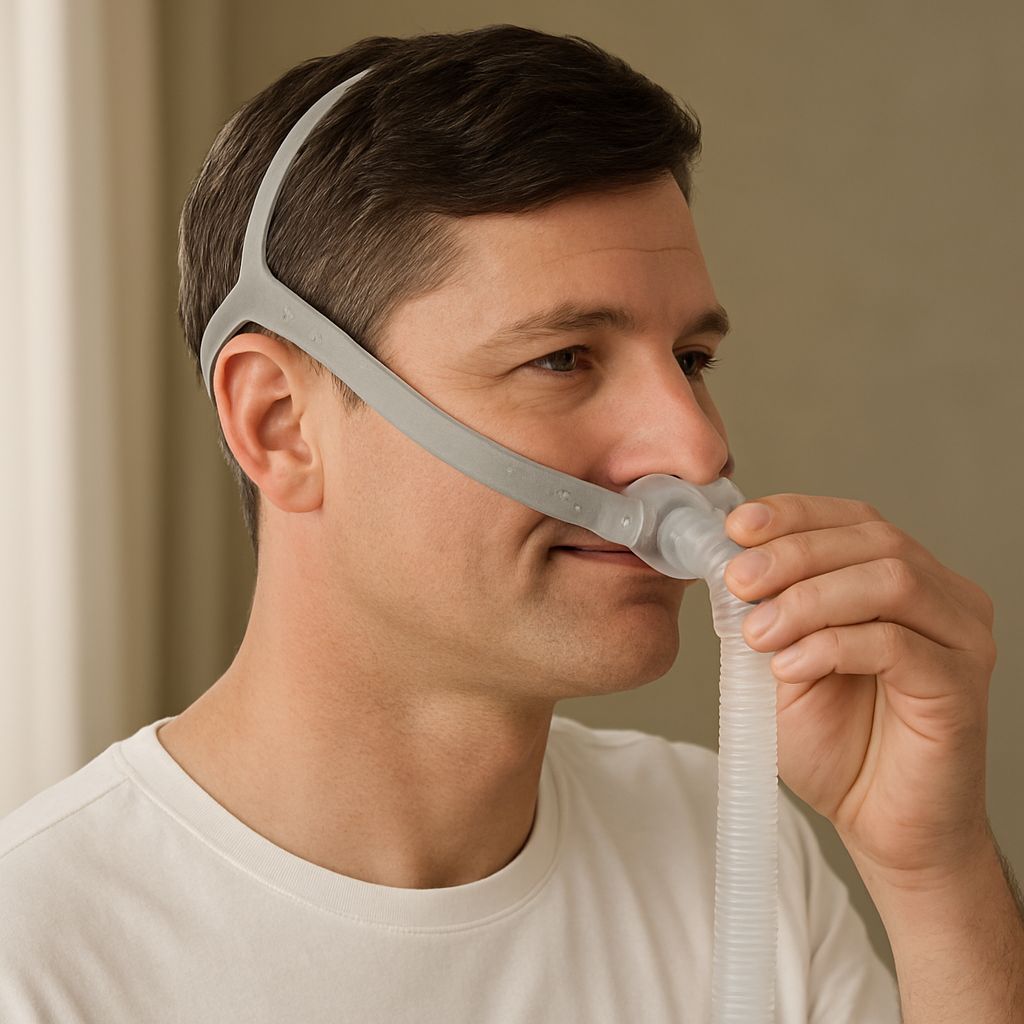
Headgear tension is the most common fit error with CPAP nasal pillow masks. Overtightening forces the pillows deeper into the nostrils, which causes irritation and rebound nasal congestion within 30 minutes of use. The correct tension allows the mask to stay in place with two fingers inserted between the headgear strap and the cheek. At that tension, typical leak rates fall below 24 liters per minute, which most APAP machines log as clinically acceptable.
Heating the humidifier chamber to 75–80 degrees Fahrenheit while using CPAP nose pillows reduces the nasal dryness that side sleepers experience when their CPAP tubing is positioned horizontally, which allows condensation to pool and then enter the nasal passage as cold water. A heated hose eliminates this problem almost completely within the first two nights of use.
Stomach sleepers find nasal pillows, or CPAP nasal setups, easier to use than full-face or standard nasal masks because the compact profile does not press into the mattress when the head turns. The limitation is that stomach sleeping with CPAP still requires a specific pillow with a CPAP cutout to keep the headgear from lifting off the face. Purpose-built CPAP pillows, sized 4–5 inches thick, address this in a single product upgrade.
Long-term users of CPAP nasal pillow masks report the highest satisfaction rates among all mask types in studies of CPAP adherence at 12 months. The lower contact area and lighter weight translate directly into fewer pressure points and less mask-related waking. The tradeoff is that any nasal congestion, whether from a cold or seasonal allergy, immediately makes the mask unusable and requires a temporary switch to a full-face interface.