Home Remedies for Sleep Apnea: What Actually Works
Home remedies for sleep apnea range from well-evidenced lifestyle interventions with clinical trial support to folk remedies with no mechanism or evidence base. Distinguishing between them matters because sleep apnea is not a benign inconvenience: untreated moderate-to-severe obstructive sleep apnea is associated with a 2.5-fold increased risk of cardiovascular events over 10 years. Effective home-based interventions can reduce apnea severity meaningfully, particularly in mild-to-moderate cases.
Sleep apnea home remedies that have genuine supporting data include weight loss, positional therapy, myofunctional therapy, and alcohol and sedative avoidance. Natural treatment for sleep apnea through these approaches addresses the anatomical and physiological mechanisms of airway collapse rather than simply masking symptoms. Home remedies sleep apnea practitioners and patients discuss most often include nasal rinses, humidification, and throat exercises, each addressing a different aspect of the problem. Sleep apnea natural cures do not exist in the sense of permanent resolution without ongoing management, but sustained behavioral changes can reduce AHI into the mild range in patients who start in the moderate category.
Evidence-Based Home Interventions
Weight loss of 10% of body weight reduces AHI by approximately 26% in overweight patients with OSA. This is one of the largest effect sizes of any non-CPAP intervention and is the result of reduced pharyngeal fat pad volume and improved airway muscle function. Weight loss home, or lifestyle-based, treatment takes months to show AHI improvement but produces the most durable results when maintained.
Positional therapy prevents supine sleeping through commercial devices or DIY solutions such as a tennis ball sewn into the back of a sleep shirt. In patients with positional OSA, where the AHI in the supine position is at least twice the AHI in other positions, positional therapy alone can normalize the overall AHI. A home sleep test with position recording, available from many online providers for $150–$300, confirms whether positional OSA is present within a single night of data.
Myofunctional Therapy and Throat Exercises
Myofunctional therapy, or sleep apnea home exercises targeting the tongue, soft palate, and pharyngeal dilator muscles, reduces AHI by an average of 50% in a 2015 meta-analysis of six randomized trials. The protocol involves daily exercises of 15–20 minutes, including tongue presses, palate lifts, and specific vowel-sound repetitions targeting the soft palate. Results appear within 8–12 weeks of consistent daily practice. This is one of the few sleep apnea natural approaches with a meta-analytic evidence base.
Remedies with Limited or No Evidence
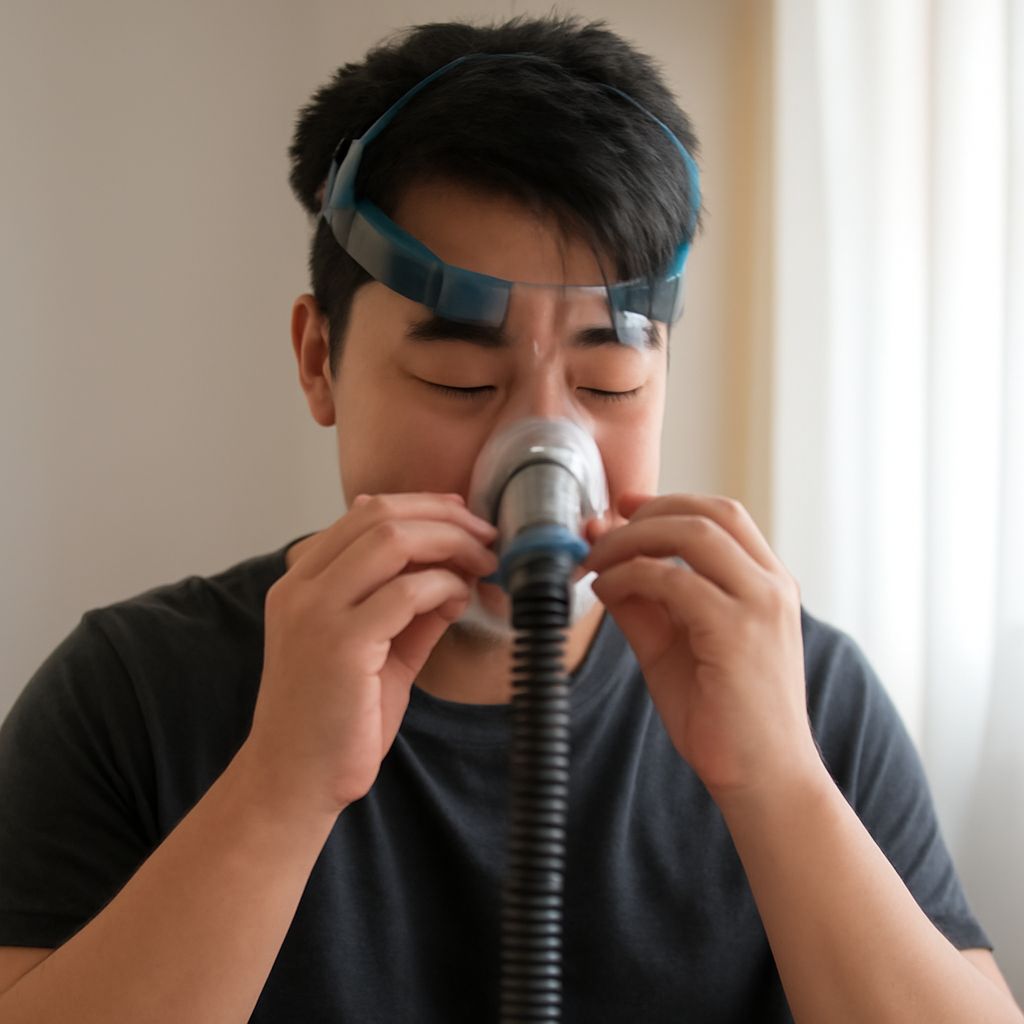
Nasal saline rinses address nasal congestion that drives mouth breathing and worsens OSA, but they do not reduce AHI in patients with already-patent nasal passages. Humidification improves CPAP comfort and nasal mucosal health but has no direct effect on OSA severity. Honey and peppermint throat sprays marketed as home remedies sleep apnea treatments have no peer-reviewed trial evidence and are at best placebo interventions for the actual pathophysiology of airway collapse.
Alcohol avoidance within 4 hours of bedtime is a well-supported intervention because alcohol relaxes pharyngeal dilator muscles and reduces arousal threshold, both of which worsen apnea severity. Alcohol-related AHI increase is dose-dependent and reversible: eliminating evening alcohol reduces AHI by 20–30% in regular drinkers within the first week of abstinence.
Pro tips recap: Focus home remedies on weight management, positional therapy, and daily myofunctional exercises. These three interventions have the strongest evidence and address different mechanisms, making them synergistic. Avoid alcohol within four hours of bed and confirm whether positional OSA is present with a single home sleep study before committing to any specific positional device.