How to Sleep With Sciatica: Positions That Ease the Pain
Finding a restful night when the sciatic nerve is compressed takes more than choosing a different side. How to sleep with sciatica starts with understanding that the nerve runs from the lower lumbar spine through the piriformis muscle, down the back of each leg to the foot—and that any sleeping position loading that path will generate pain within 30–60 minutes. How to sleep with lower back pain and sciatica overlaps significantly, since the origin is usually a disc or facet joint at L4-L5 or L5-S1. Sleeping with sciatica on an unsupportive surface makes morning stiffness markedly worse; firmness scores between 5 and 7 out of 10 keep the lumbar curve neutral without creating pressure points at the hip. How to sleep with sciatica pain eases when the pelvis stays level and the nerve is not stretched. Sciatica sleeping positions that work consistently involve either side lying with knee support or back lying with a wedge under the knees—not stomach lying, which hyperextends the lumbar spine and loads the affected disc.
Side Lying Technique for Sciatic Relief
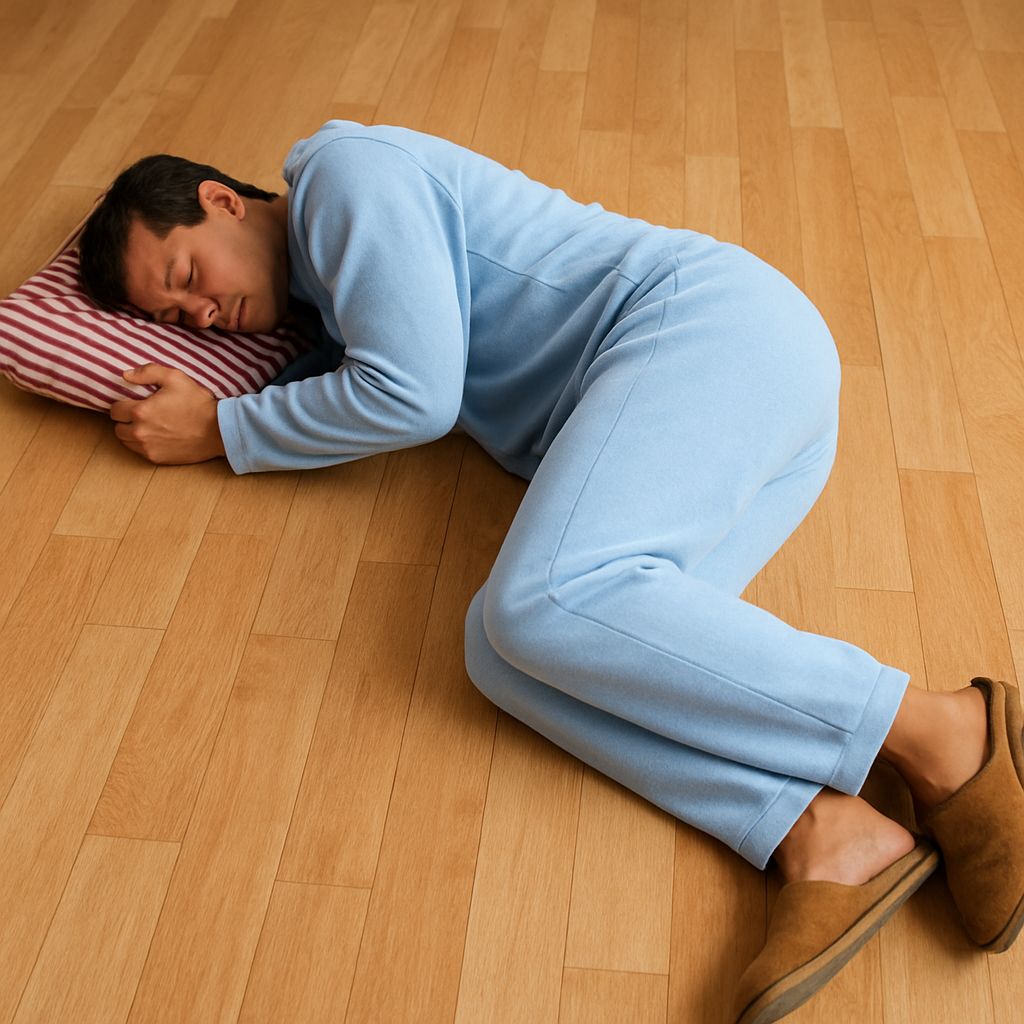
Lie on the non-painful side when possible. This positions the compressed lumbar levels away from the mattress and allows the spine to decompress slightly through the night. Pull both knees toward the chest until the lower back feels flat—roughly 30–45 degrees of hip flexion. Then place a firm pillow between the knees and ankles, thick enough to keep the top hip from rotating downward.
Hip drop is the most common failure point in this position. When the top knee falls toward the mattress, the L4-L5 joint closes on the symptomatic side and the piriformis tightens around the nerve. A body pillow running from chest to feet eliminates this by giving the top arm and knee a stable surface to rest against.
Change sides if pain wakes during the night. Staying on one side for more than 3–4 hours compresses the dependent hip and can create secondary hip pain that compounds the sciatic symptoms by morning.
Back Lying With Knee Elevation
Supine sleeping with the hips and knees bent at approximately 90 degrees—the psoas-release position—unloads the lumbar discs and flattens the lumbar curve. A standard bed wedge placed under the knees achieves this. Alternatively, two firm pillows stacked under the knees work for trial periods but compress overnight and lose height, so the position gradually changes without waking the sleeper.
A thin pillow under the head keeps the cervical spine neutral. Avoid thick pillows that push the chin toward the chest; the resulting thoracic flexion travels down the spine and can increase lumbar load in ways that reactivate sciatic symptoms.
What to Avoid and When to Seek Help
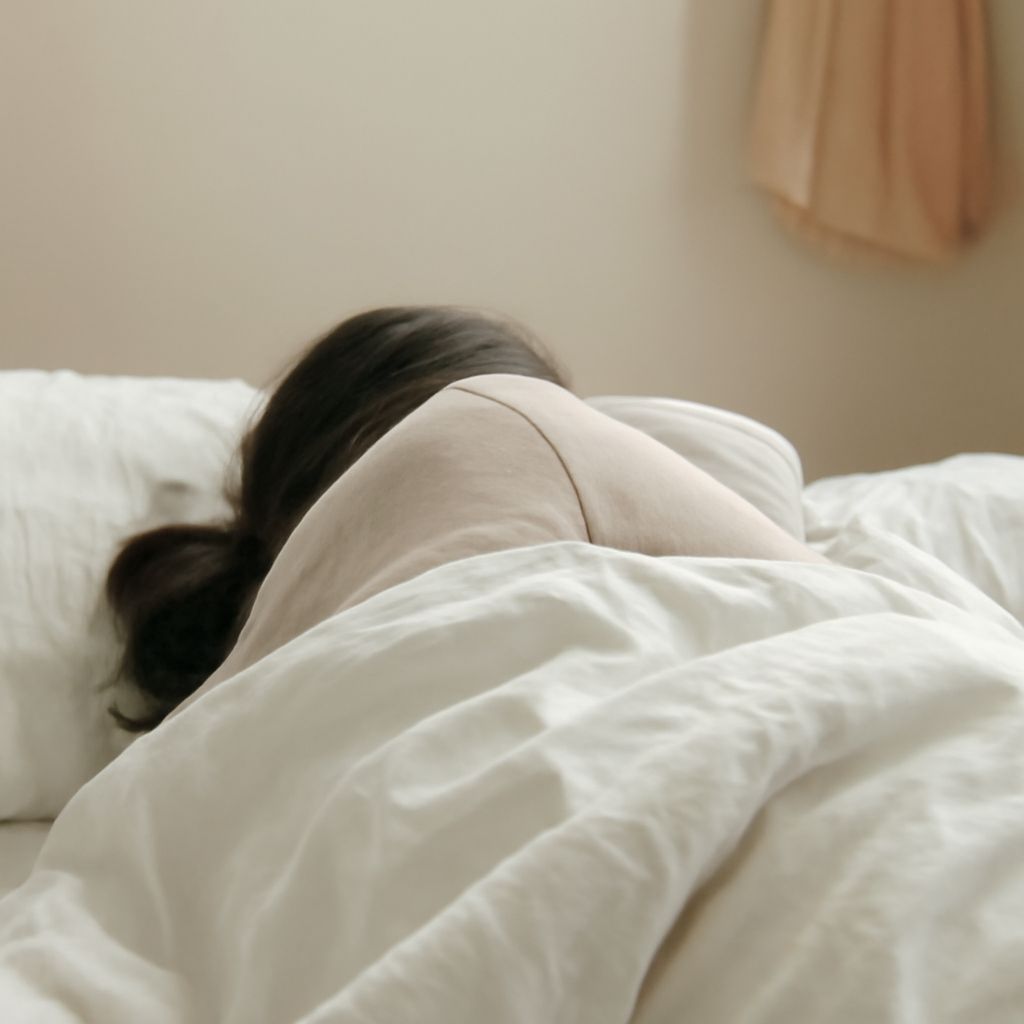
Stomach sleeping is contraindicated for most sciatic presentations. It forces the lumbar spine into extension, which narrows the foramina where the nerve roots exit and directly compresses already-irritated tissue. If stomach sleeping is habitual, place a thin pillow under the pelvis—not the stomach—to reduce lumbar extension and allow a gradual transition away from the position over several weeks.
Soft mattresses that allow the pelvis to sink excessively rotate the lumbar spine and stretch the piriformis unevenly. If the current mattress causes a visible dip deeper than 2 inches under the hips, a mattress topper rated medium-firm is worth trialing before replacing the full mattress.
Persistent sciatica that does not respond to positional changes within 2–3 weeks, or that includes progressive leg weakness, foot drop, or bladder or bowel changes, requires prompt medical evaluation. Positional strategies manage nerve irritation; they do not treat herniated discs, spinal stenosis, or tumors that may underlie the symptoms.