CPAP Machine Reviews: Compare Types and Find the Best Fit
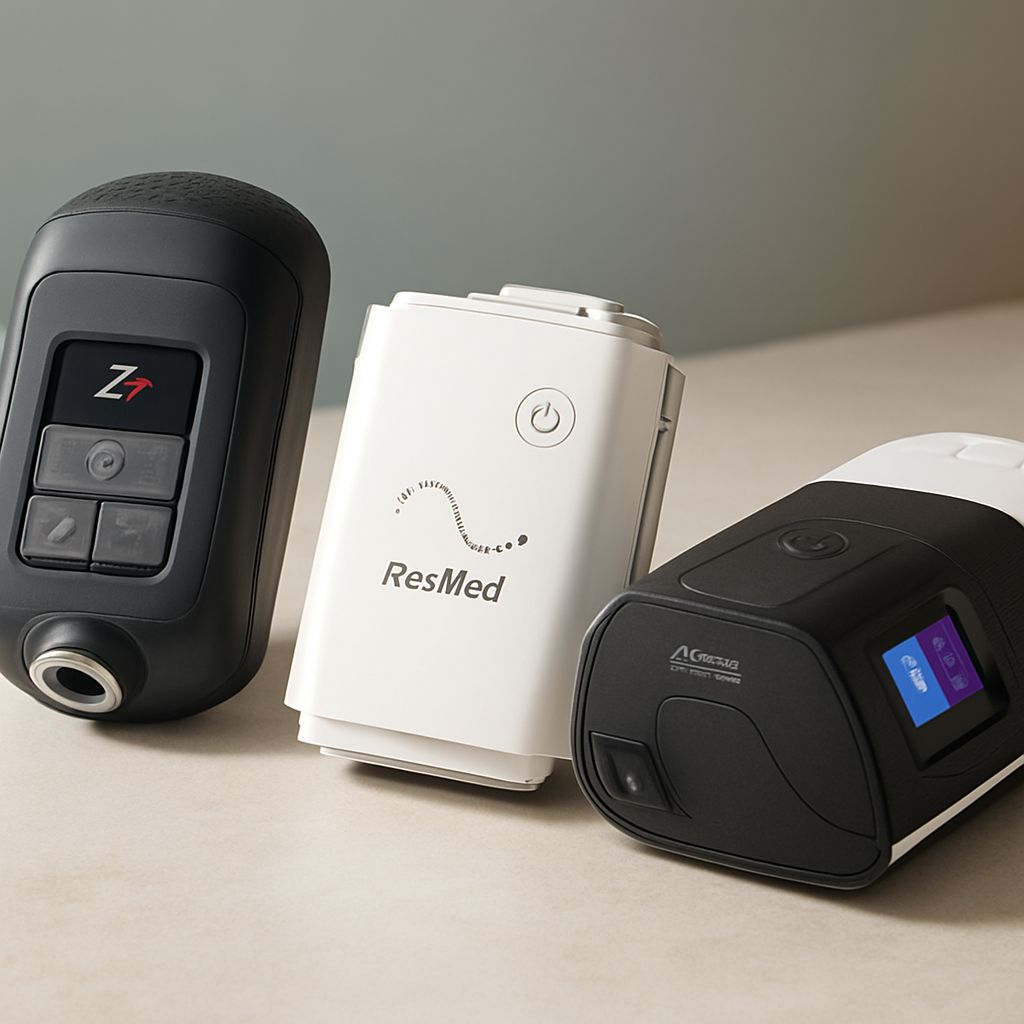
Choosing the right device starts with understanding what separates a fixed-pressure unit from an auto-adjusting one. Thorough cpap machine reviews point to three major categories, each with a distinct pressure mechanism and use case. Whether this is a first purchase or an upgrade, cpap machines reviews from verified users and clinical data show measurable differences in comfort, noise, and leak rates. A clear cpap machine comparison helps narrow options before a single dollar changes hands. Those who compare cpap machines side by side before buying report higher long-term adherence—often exceeding 70% at six months versus 45% for those who choose without comparison.
Different types of cpap machines suit different apnea profiles and lifestyle needs. A travel user needs something lighter than 1 lb with a universal power supply; a mouth breather needs integrated humidification and a full-face mask port. This guide walks through each machine type, ranks the key specs that matter, and shows exactly what to check before committing.
Understanding the Three Main Device Types
Fixed, Auto, and Bilevel Explained
A fixed CPAP delivers one constant pressure—say, 10 cm H2O—every breath of every night. It is the most affordable category and works well when a sleep study has already established a single therapeutic pressure. The main drawback: pressure needs do not stay constant across sleeping positions or alcohol consumption, so some nights will feel over- or under-pressurized.
An APAP (automatic positive airway pressure) machine samples airflow 20–40 times per second and adjusts pressure in real time. Users who shift between back and side sleeping or whose congestion varies seasonally benefit most. Therapy data downloaded after 30 days typically shows an AHI (apnea-hypopnea index) below 5 events per hour, the clinical threshold for controlled sleep apnea.
BiPAP units deliver two pressures: a higher inhale pressure (IPAP) and a lower exhale pressure (EPAP). They are prescribed for patients with high fixed-pressure needs above 15 cm H2O, COPD, or central sleep apnea. BiPAP hardware costs 40–80% more than APAP but is often covered by insurance with the right diagnostic codes.
Specs That Separate Good Machines From Great Ones
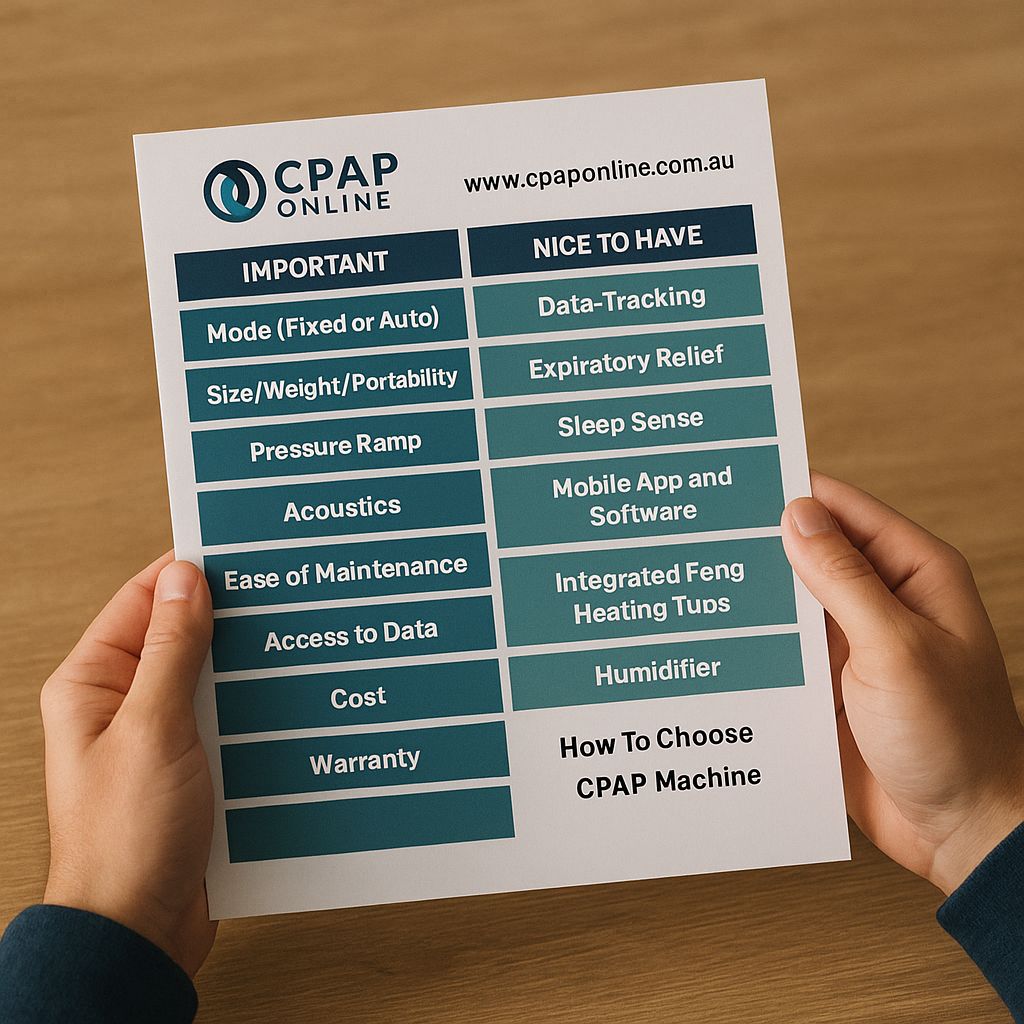
Noise level is reported in decibels at 1 meter. Most current devices fall between 25–30 dB—roughly the sound of a quiet library. Older units can reach 35 dB, which is audible to a partner. Check the spec sheet, not just marketing copy.
Heated humidifier integration matters more than the humidifier chamber size. A built-in heated tube—sometimes called a HumidAir tube or ClimateLineAir—prevents condensation (rainout) in the hose, which disrupts sleep and can harbor bacteria if not dried daily. Standalone chamber humidifiers without a heated hose produce rainout at room temperatures below 65°F.
Data reporting depth separates consumer-grade from clinical-grade devices. At minimum, a machine should log AHI, leak rate, and pressure percentiles (90th and 95th). Top-tier units log flow-limitation events, snore index, and Cheyne-Stokes breathing flags. Check whether the data is viewable in a free companion app or locked behind a provider portal.
Ramp time—the gradual pressure increase from a low starting point to therapeutic pressure—helps new users fall asleep before full pressure kicks in. A standard ramp of 5–20 minutes is adjustable on most units. Auto-ramp features detect when the user falls asleep and transition to therapeutic pressure at that moment rather than on a fixed timer.
Practical Buying Checklist
Before purchasing, confirm the prescription pressure range. A machine rated to 20 cm H2O covers virtually all prescriptions; units capped at 15 cm H2O will not work for high-pressure needs. Verify that replacement parts—cushions, filters, water chambers—are available domestically and ship within 3–5 business days.
Warranty length signals manufacturer confidence. Most reputable brands offer 2–3 years on the device body and 90 days on accessories. Register the device immediately; some warranties are void if registration is delayed beyond 30 days of purchase.
Traveling users should confirm FAA approval. Approved units can be used onboard aircraft; the documentation is typically a label on the machine or a downloadable PDF from the manufacturer. Travel machines weighing under 10 oz exist but sacrifice humidifier capacity.
The right cpap machine comparison is not about which device wins a spec sheet race—it is about which one a user will actually use every night. A quieter machine with basic data reporting used consistently beats a feature-rich unit abandoned after three weeks. Match the machine to the lifestyle, confirm parts availability, and check therapy data at the 30-day mark to catch fit or pressure issues early.