CPAP Mouth Mask: How to Find a Cheap, Well-Fitting Option
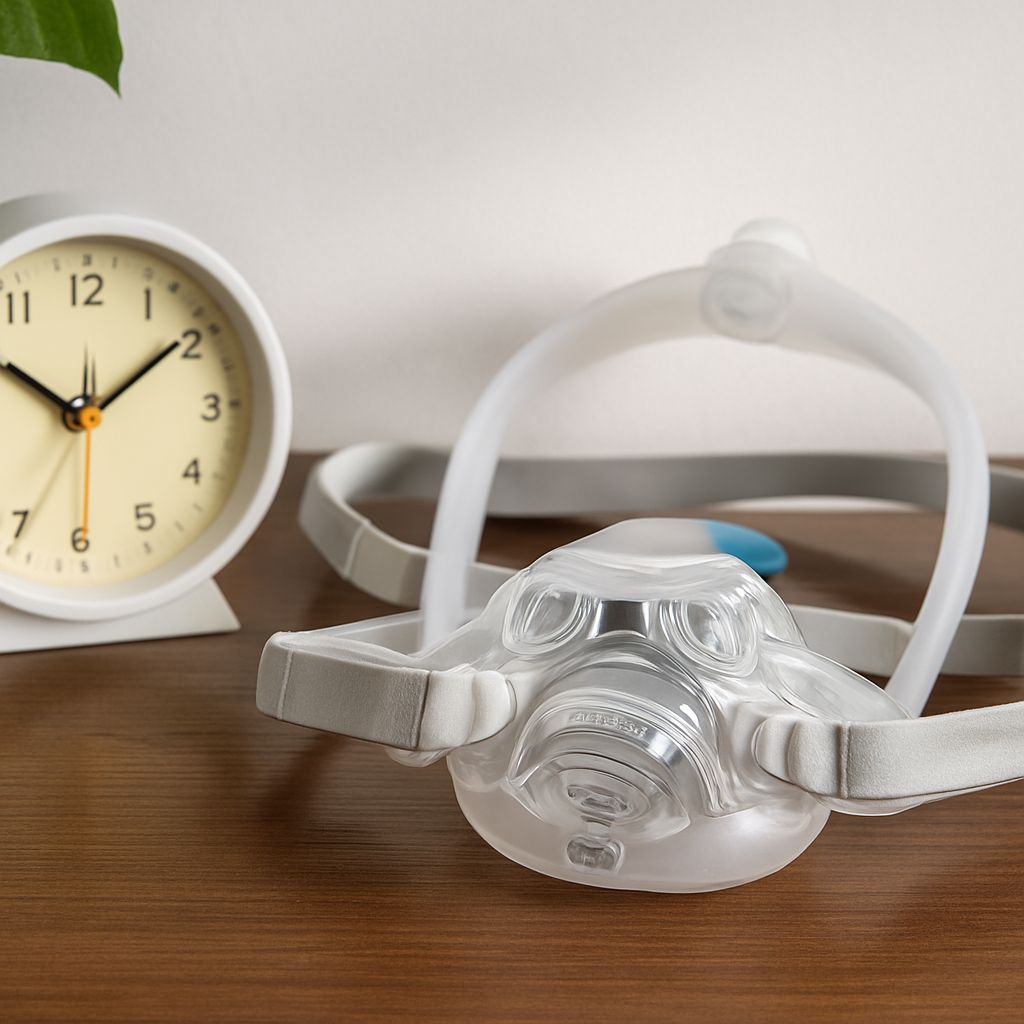
A cpap mouth mask—properly called a full-face mask—covers both the nose and mouth and is the standard choice for mouth breathers who cannot maintain nasal-only airflow during sleep. The market for cpap mask for sale listings spans premium systems priced at $120–$200 and cheap cpap masks that perform comparably for users with straightforward facial geometries. Knowing what to check before looking for a place to buy cpap mask products prevents wasted spending and weeks of poor therapy. A cheap cpap mask is not the same as a low-quality one; several manufacturers produce cushion-only systems where the frame is reused and only the silicone interface is replaced, cutting replacement costs by 40–60% compared to full-mask replacements.
Types of Full-Face Masks and How They Fit
Cushion Systems vs. Minimal-Contact Designs
Traditional full-face masks use a triangular silicone cushion that contacts the bridge of the nose and the chin. Fit depends on facial bone structure: wide cheekbones and a protruding jaw can cause gaps at the chin seal, while a narrow nasal bridge can cause pressure points at the top of the mask. Sizing runs small, medium, and large for most brands, with medium fitting approximately 60% of adults.
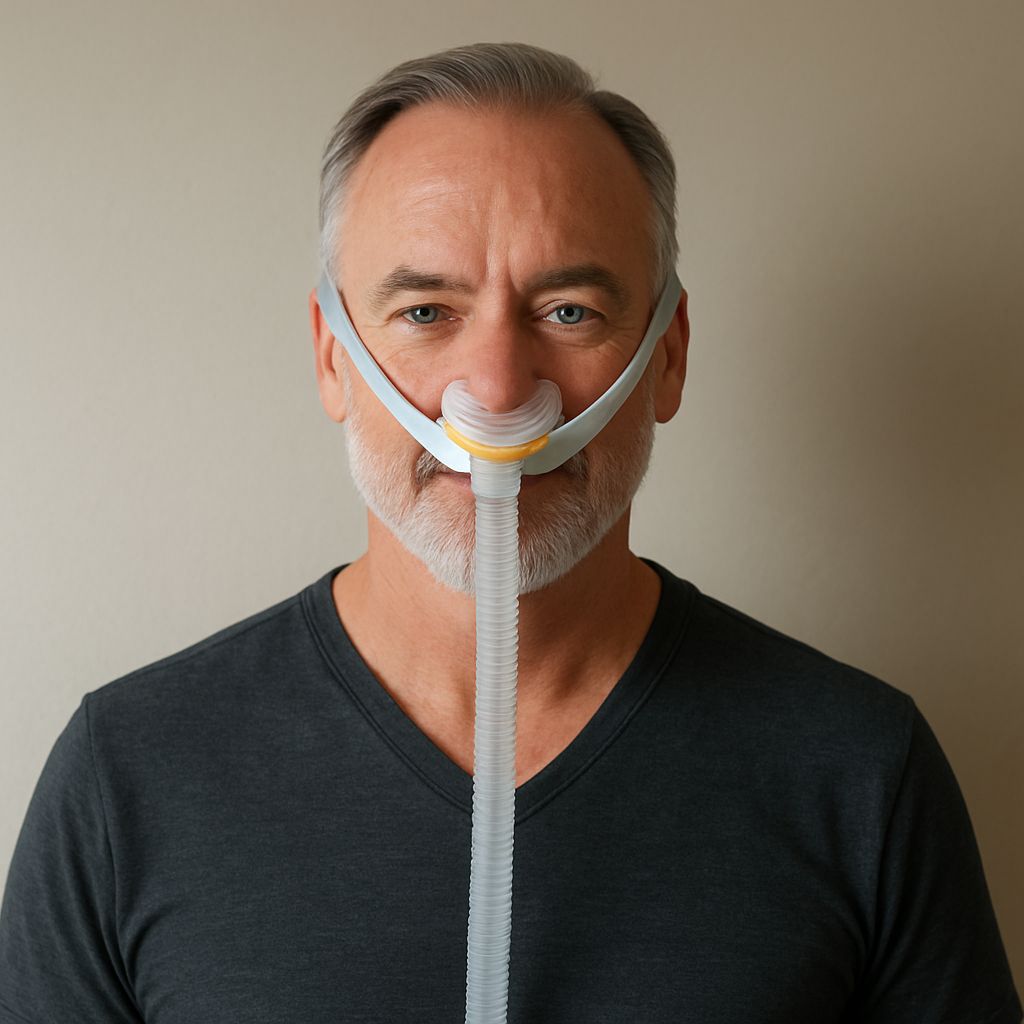
Minimal-contact or hybrid designs use nasal pillows at the nares and a mouth cushion at the chin, reducing total contact area. They are lighter—often 30–40% lighter than traditional full-face designs—and generate fewer pressure points during side sleeping. The tradeoff is that they tolerate higher pressures less well; users prescribed above 15 cm H2O may experience air leaks at the mouth seal under sustained load.
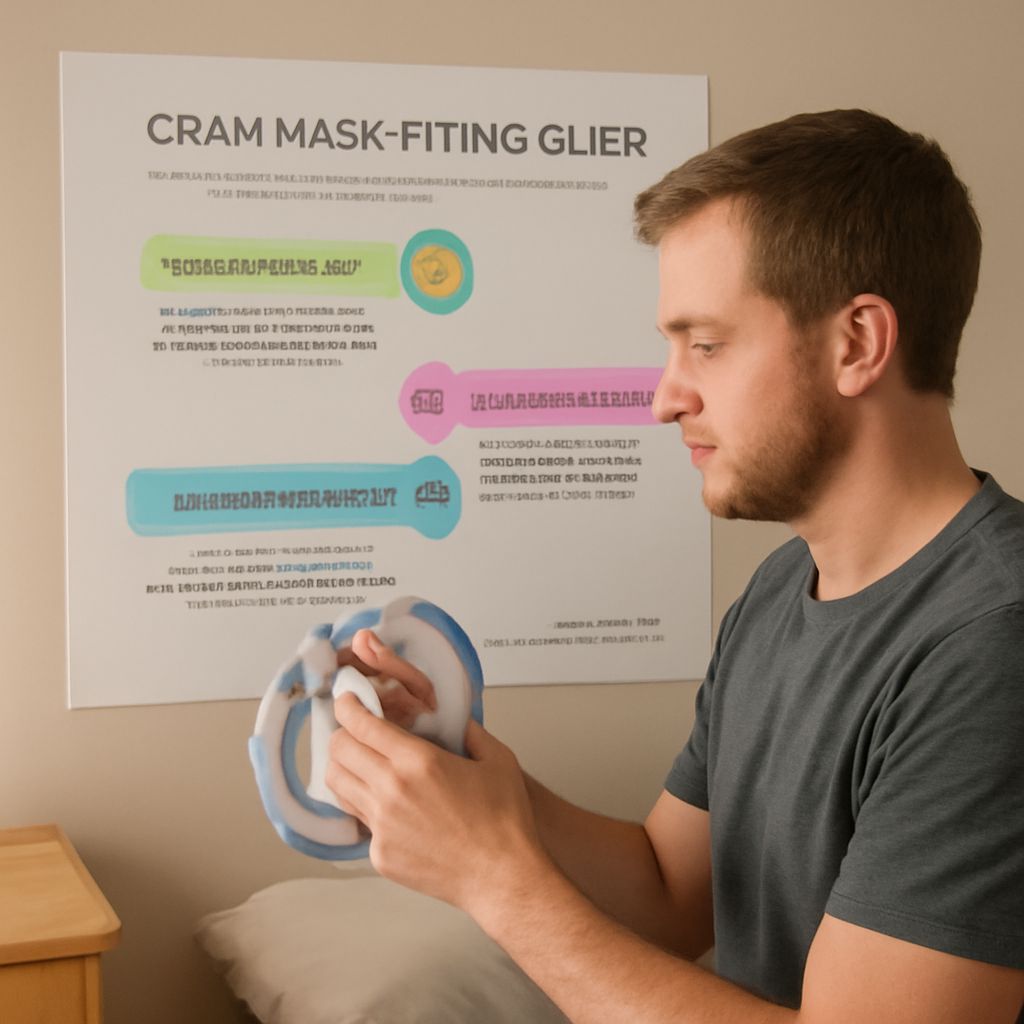
A well-fitting mask should seal under therapy pressure without requiring the headgear to be tightened beyond the point where two fingers can slide between the strap and the head. Overtightened headgear causes forehead marks, cheek redness, and CSR (central sensitization response) to the mask within 8–12 weeks, leading to abandonment.
What to Check Before Buying
Verify that replacement cushions are available and priced separately from the frame. Some budget masks are sold only as complete units, making ongoing costs higher than they appear at initial purchase. A $40 mask with $35 cushion replacements costs more over a year than a $90 mask with $15 cushions.
Check the headgear connector type. Proprietary clip systems lock users into one brand’s ecosystem; universal magnetic or clip-in systems allow mixing frames and headgear from different manufacturers. This flexibility is especially useful for travelers who want a lighter backup headgear.
Confirm that the mask is compatible with the CPAP machine’s port diameter. Most machines use a 22mm connection, but some travel models and older units use 15mm. An adapter costs $5–$10 but adds one more potential leak point in the circuit.
Read mask reviews filtered by users with a similar facial profile—not just overall star rating. A mask that works well for a wide, flat face will not perform the same way for a narrow, deep-set face regardless of the aggregate score. Search for before-and-after leak rate data in user forums rather than relying on manufacturer specifications alone.